Bhumi Pednekar on monsoon plastic pollution: 'Rain reveals what we leave behind'

Synopsis
Bhumi Pednekar's monsoon message cuts through celebrity environmentalism with a specific, uncomfortable truth: India's streets are not dirty because of the rain — they are dirty year-round, and the monsoon simply makes that visible. Her call to action arrives as Indian cities brace for another season where plastic waste and flooded drains will make the same headlines they do every year.
Key Takeaways
Bhumi Pednekar shared an environmental message on Instagram at the onset of the 2025 monsoon season.
She warned that monsoon stormwater carries plastic bottles, food wrappers, carry bags, and single-use packaging from streets into drains, rivers, and oceans.
Pednekar emphasised that rain reveals existing pollution rather than creating it.
She has previously raised concerns about rainwater harvesting in Indian cities, noting that billions of litres go unused annually.
India's nationwide ban on several single-use plastics came into effect in 2022 , but enforcement remains inconsistent.
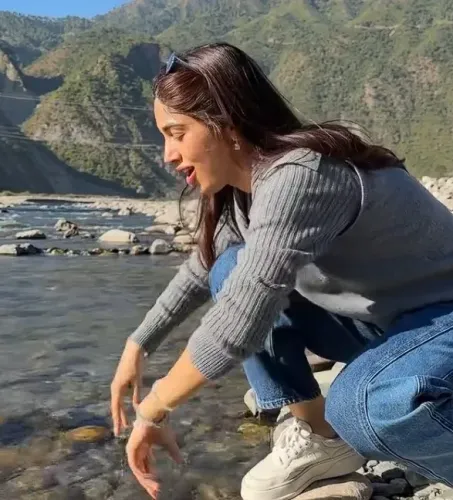
Actress Bhumi Pednekar has used the onset of the monsoon season to spotlight a pressing environmental concern — the way seasonal rainfall exposes and spreads the plastic waste that accumulates on India's urban streets throughout the year. Her message, shared via a series of posts on Instagram, underscores how pollution that appears invisible on dry roads becomes a visible and dangerous crisis the moment the rains arrive.
What Bhumi Said
In her posts, Pednekar drew attention to the journey plastic takes once the first showers hit. 'When the first monsoon showers arrive, they don't just wash our streets. They also carry everything we have left behind. — Plastic bottles. — Food wrappers. — Carry bags. — Single-use packaging,' she wrote.
She added: 'What begins on our roads often ends up in drains, rivers, oceans, and eventually, our food chain. This monsoon, let's remember. The rain isn't creating the pollution. It's revealing it. Small choices today can have a lasting impact tomorrow.'
The slides accompanying her post carried pointed captions. The first read: 'What happens to Plastic during the monsoon? The rain does not wash it away, it spreads everywhere.' The second noted: 'Every plastic wrapper, bottle, or bag on the street has somewhere to go. When the rains arrive, stormwater carries it into drains, rivers, lakes and eventually….our oceans.'
The Broader Pattern: Monsoon as a Pollution Amplifier
Pednekar's message connects to a well-documented environmental phenomenon. Urban stormwater runoff is one of the primary pathways through which land-based plastic waste enters freshwater systems and, ultimately, marine ecosystems. Mumbai, which receives some of the heaviest annual rainfall among India's major cities, has repeatedly witnessed flooded streets choked with plastic debris — a visible symptom of inadequate waste management and high single-use plastic consumption.
Notably, this is not the first time the 'Dum Laga Ke Haisha' and 'Badhaai Do' actress has raised environmental concerns linked to the monsoon. She had previously highlighted the urgent need for rainwater harvesting systems in India's rapidly expanding cities, pointing out that a large share of urban rainfall goes unused even as those same cities face water shortages within months.
'Every monsoon, India receives billions of litres of rain. Yet many cities face water shortages just a few months later. Why? Because much of the rainwater that falls on our cities never gets a chance to recharge the ground. Instead, it flows through drains and eventually into the sea,' Pednekar had written in an earlier post.
Why It Matters
The dual concern Pednekar raises — plastic pollution entering water bodies and rainwater going unharvested — reflects a structural tension in India's urban infrastructure. Rapid concretisation is reducing the ground's natural permeability, accelerating runoff while simultaneously preventing groundwater recharge. Environmental advocates argue that addressing both issues requires systemic policy action, not just individual behavioural change.
Her call to reflect on 'everyday choices' arrives at a moment when India continues to grapple with single-use plastic regulation, with a nationwide ban on several categories of single-use plastics having come into effect in 2022 — though enforcement remains uneven across states.
What's Next
As the 2025 monsoon intensifies across the country, civic bodies in major cities are expected to face renewed pressure over drain clearance and solid waste management. Pednekar's campaign adds a prominent public voice to what environmental groups have long argued: that monsoon flooding in Indian cities is as much a waste management failure as it is a drainage one.
Point of View
But it sits within a familiar celebrity-environmentalism cycle that generates engagement without necessarily driving policy. The more pointed observation — that India banned several single-use plastics in 2022 and yet the same plastic debris clogs the same drains every monsoon — is the one her posts gesture at but stop short of naming. Individual choice matters at the margins; what moves the needle is enforcement, extended producer responsibility, and municipal solid waste infrastructure. Until those systemic levers are pulled, the monsoon will keep revealing the same truth, and the cycle of awareness posts will continue.
NationPress
2 Oct 2026
Frequently Asked Questions
What did Bhumi Pednekar say about monsoon and plastic pollution?
Bhumi Pednekar posted on Instagram warning that monsoon rains do not wash away plastic waste — they spread it from streets into drains, rivers, lakes, and oceans. She urged people to reconsider their everyday single-use plastic habits, stating that 'the rain isn't creating the pollution, it's revealing it.'
Why is monsoon season particularly harmful for plastic pollution in India?
During the monsoon, stormwater runoff carries plastic waste accumulated on urban streets directly into drainage systems, rivers, and eventually marine ecosystems. Cities like Mumbai, which receive heavy annual rainfall, are especially vulnerable, as inadequate waste management means large volumes of plastic enter water bodies each season.
Has Bhumi Pednekar raised environmental issues before?
Yes. Pednekar has previously campaigned for rainwater harvesting in Indian cities, highlighting that despite receiving billions of litres of rain annually, many cities face water shortages within months because rapid concretisation prevents groundwater recharge.
What is India's current policy on single-use plastics?
India introduced a nationwide ban on several categories of single-use plastics in 2022, covering items such as plastic cutlery, straws, and certain packaging materials. However, enforcement has been reported as uneven across states, and plastic debris continues to be a visible problem in urban areas during the monsoon.
What can individuals do to reduce monsoon plastic pollution?
Pednekar's posts encourage people to reduce reliance on single-use plastic items such as bottles, food wrappers, and carry bags. Environmental groups broadly recommend refusing single-use plastics, using reusable alternatives, and supporting local waste segregation initiatives — while also advocating for stronger enforcement of existing bans.