Kunickaa Sadanand on artists' pay: Extra hours, no extra money in Bollywood
Synopsis
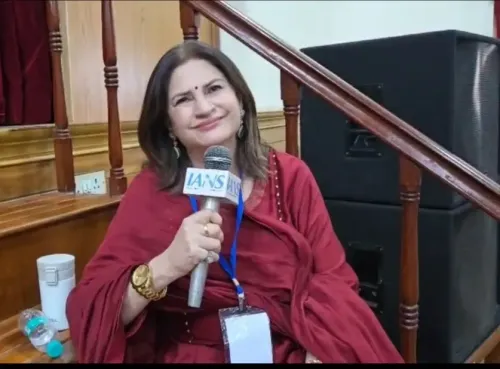
Actress Kunickaa Sadanand has called out a glaring pay inequity at the heart of Indian entertainment: artistes routinely log overtime hours on set but, unlike technical crew, receive no extra compensation. Her remarks — made amid a tense CINTAA leadership dispute — put fresh pressure on the guild's newly elected leadership to act.
Key Takeaways
Kunickaa Sadanand , a CINTAA member, has publicly flagged that Indian artistes receive no additional pay when shoots extend beyond standard hours.
She contrasted this with technical crew — lighting and sound staff — who are compensated for every extra shift they work.
Sadanand used the phrase 'stepmother-like' to describe the industry's differential treatment of artistes versus technicians.
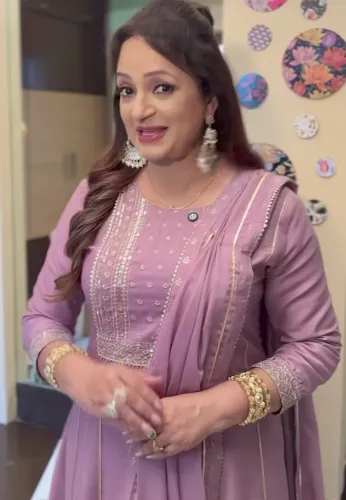
Her remarks came on the sidelines of the recent CINTAA elections , won by actress Upasana Singh .
She also questioned why Poonam Dhillon and Padmini Kolhapure appeared reluctant to vacate their association positions after fresh elections, calling it an 'ego issue.'
Actress and Cine & TV Artistes' Association (CINTAA) member Kunickaa Sadanand has publicly flagged a long-standing inequity in the Indian entertainment industry — artistes routinely work beyond their contracted hours without receiving additional compensation, while technical crew members are paid for every extra shift they put in.
The Core Complaint
Sadanand, speaking on the sidelines of the recent CINTAA elections, said shoot schedules frequently stretch from the standard 10 to 12 hours, yet there is no mechanism to compensate artistes for the additional time. 'There are long working hours. It shifts from 10-12 hours. And if there are extra hours, then there is no extra money,' she said.
She drew a pointed contrast with technical workers on set. 'The body of a technician, whether it's a light man, a sound man or whatever, they get their money. If there is an extra shift, they get paid. Somehow, artists are treated stepmother-like,' she added, using the phrase to describe what she called a discriminatory double standard within the industry's payment structure.
Why the Disparity Matters
Sadanand stressed that the issue is not merely financial but one of basic professional parity. Technicians on Indian film and television sets are typically covered by union agreements that mandate overtime pay, while artistes — even seasoned ones — often operate under flat-fee contracts with no overtime clause. This structural gap, she argued, needs to be urgently corrected by industry bodies like CINTAA.
This comes amid a broader conversation in the Hindi film and television industry about working conditions, triggered in part by the tragic on-set death of actor Sushant Singh Rajput in 2020 and more recent debates around mental health and exploitation of junior artistes. Notably, the issue of long hours in entertainment has surfaced repeatedly in guild discussions but has rarely translated into binding policy change.
CINTAA Power Struggle in the Background
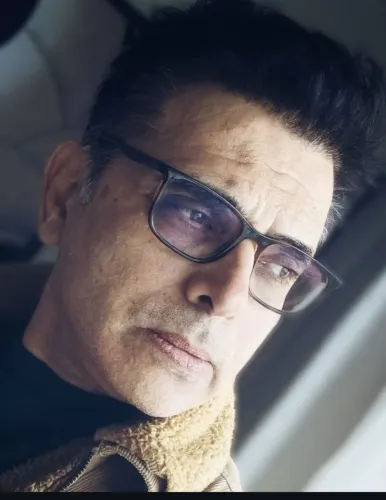
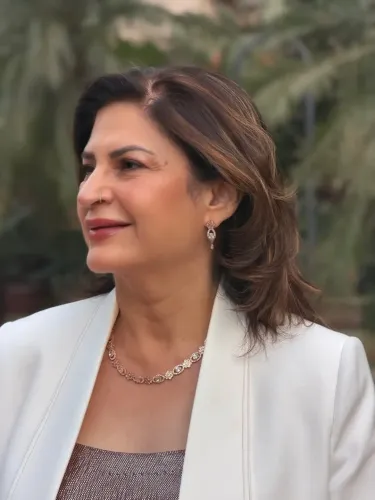
Her remarks also came in the context of an internal dispute within CINTAA itself. The recent elections saw actress Upasana Singh emerge victorious. However, Sadanand had earlier questioned why fellow CINTAA members Poonam Dhillon and Padmini Kolhapure appeared reluctant to relinquish their positions within the association despite fresh elections having been held.
When asked directly about their decision to hold on, Sadanand deflected the question back to the individuals concerned. 'I don't know, you will have to ask them,' she said. But she was sharper in her broader commentary on the culture of power within the body. 'You came there to give service, but it looks like an ego issue now, what else could it be?' she remarked, recalling her own earlier stint on the committee, during which she had met the late wrestling legend and actor Dara Singh.
What CINTAA Represents
Founded decades ago, CINTAA is one of the oldest and most prominent guilds representing film and television artistes in India. Its stated mandate is to protect the professional, financial, and creative rights of its members. Critics, however, argue that internal elections and leadership disputes have periodically distracted the body from its core function — securing better working conditions and pay parity for artistes across the industry.
What Comes Next
With Upasana Singh now leading the association after the recent elections, pressure is mounting on CINTAA's new leadership to take concrete steps on the overtime compensation issue raised by Sadanand. Whether the incoming committee will formalise an overtime policy for artistes — or whether the issue will again recede into the background — remains to be seen.
Point of View
A newly elected leadership, and a broader industry reckoning with working conditions. CINTAA's credibility now depends on whether it can move from internal power battles to enforceable policy. An association that cannot secure overtime pay for its own members — while their on-set colleagues walk away with shift allowances — has a legitimacy problem it can no longer paper over with election results.
NationPress
14 Sept 2026
Frequently Asked Questions
What did Kunickaa Sadanand say about artists' pay for overtime?
Kunickaa Sadanand said that artistes in the Indian entertainment industry do not receive additional pay when shoots extend beyond the standard 10 to 12 hours. She contrasted this with technical crew members, such as light and sound technicians, who are compensated for every extra shift they work.
What is CINTAA and what role does it play?
CINTAA, or the Cine & TV Artistes' Association, is one of India's oldest guilds representing film and television artistes. Its mandate includes protecting the professional and financial rights of its members, though internal disputes have at times drawn attention away from these core functions.
Who won the recent CINTAA elections?
Actress Upasana Singh won the recent CINTAA elections. The elections were also the backdrop for Sadanand's remarks about the pay disparity facing artistes and about the leadership conduct of Poonam Dhillon and Padmini Kolhapure.
Why did Kunickaa Sadanand criticise Poonam Dhillon and Padmini Kolhapure?
Sadanand questioned why Poonam Dhillon and Padmini Kolhapure appeared to be holding on to their positions within CINTAA despite fresh elections having been conducted. She suggested it reflected an 'ego issue' rather than a genuine desire to serve artistes.
What change is Kunickaa Sadanand pushing for in the entertainment industry?
She is calling for artistes to be compensated for working beyond their agreed hours, bringing them in line with technical crew members who already receive overtime pay. She has urged CINTAA to formally address this pay disparity on behalf of its members.