UCC implementation in Bengal first, then others: Dilip Ghosh backs nationwide rollout
Synopsis
A day after Home Minister Amit Shah set a 2029 deadline for UCC rollout across all 21 NDA-governed states, West Bengal BJP leader Dilip Ghosh went a step further — calling for Bengal to lead the charge. Paired with the state's crackdown on 252 unauthorised madrasas, Monday's remarks signal an intensifying BJP push on identity and governance issues in TMC-ruled Bengal ahead of the next electoral cycle.
Key Takeaways
West Bengal Minister Dilip Ghosh on 14 September 2026 backed UCC implementation, urging it begin in West Bengal first.
Union Home Minister Amit Shah pledged UCC rollout across all 21 NDA-governed states before 2029 .
The UCC aims to unify personal laws on marriage, divorce, inheritance, and adoption across religious communities.
West Bengal has issued closure notices to 252 madrasas , with show-cause notices to around 100 others ; most facing closure are reportedly linked to the Khariji sect .
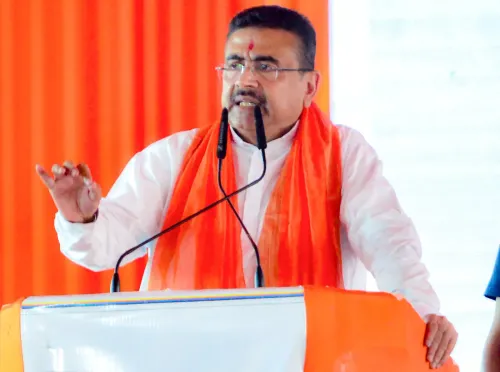
The madrasa survey was ordered by Chief Minister Suvendu Adhikari in June .
Ghosh also praised India's hosting of the BRICS Summit , crediting PM Modi's leadership for the country's enhanced global standing.
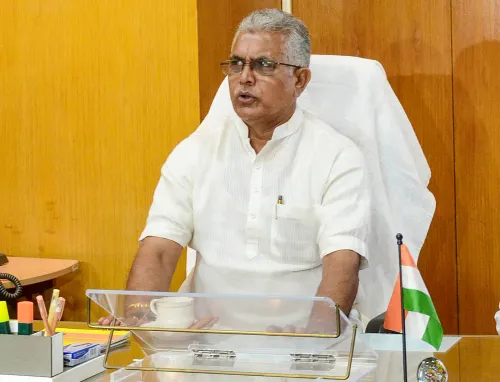
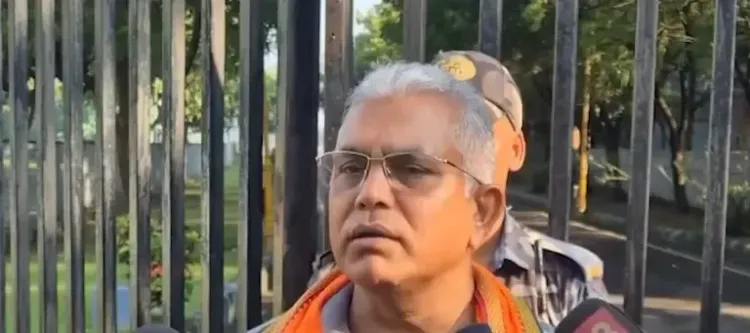
West Bengal Minister Dilip Ghosh on Monday, 14 September 2026, threw his weight behind implementing the Uniform Civil Code (UCC) across India, urging that the process begin in West Bengal and then extend to other states. Speaking to reporters in Newtown, Ghosh said the UCC was indispensable for the nation's unity, integrity, and security.
'Absolutely, the Uniform Civil Code should be implemented in the country, starting with Bengal, our state, and then in other states. It is essential for the unity, integrity, and security of the nation,' he said.
Backing Amit Shah's 2029 UCC Target
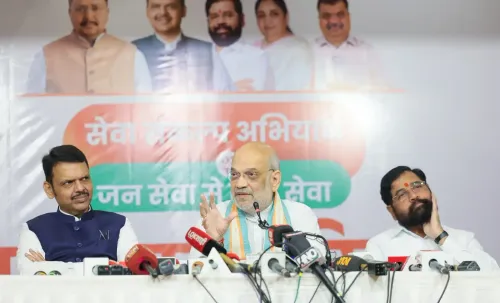
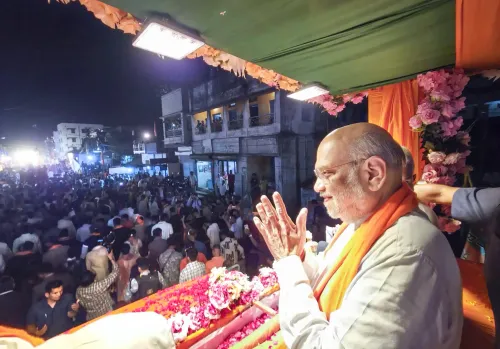
Ghosh's remarks came a day after Union Home Minister Amit Shah declared on Sunday at a press conference in Mumbai that the UCC would be implemented in all 21 states governed by the Bharatiya Janata Party (BJP)-led National Democratic Alliance (NDA) before 2029. Shah said, 'We introduced the Uniform Civil Code in several states. I am confident that we will implement the UCC in all 21 states governed by the BJP-led NDA before 2029.'
The UCC seeks to establish a unified framework of personal laws governing marriage, divorce, inheritance, and adoption, irrespective of an individual's religious affiliation. Uttarakhand became the first state to enact the code in 2024, setting a legislative precedent that BJP-governed states are now looking to replicate.
Madrasa Crackdown: Ghosh's Remarks
The minister also addressed the West Bengal government's ongoing scrutiny of madrasas operating without requisite authorisation. 'Anything illegal, whether madrasas or restaurants, cannot operate outside the law without government permission. The government is scrutinising everything, and any unauthorised establishment will be closed. To operate, they must get government permission,' Ghosh said.
The remarks follow state authorities issuing closure notices to 252 madrasas as part of a statewide review of Islamic educational institutions. Show-cause notices have reportedly been served to around 100 other madrasas during the first phase of the verification exercise. Most of the 252 institutions facing closure are reportedly associated with the Khariji sect. District-wise, 44 are in Malda, 37 in Uttar Dinajpur, 32 in South 24 Parganas, and 25 each in Nadia and Murshidabad.
The statewide survey was ordered by Chief Minister Suvendu Adhikari in June to ascertain the count of recognised and unrecognised madrasas functioning in the state.
BRICS Summit and India's Global Standing
Ghosh also praised India's hosting of the BRICS Summit, crediting Prime Minister Narendra Modi's leadership for raising the country's global profile. 'The BRICS summit held in India reached a high level under Prime Minister Modi's leadership. India's hospitality charmed everyone, paving the way for a new world order in business and global politics,' he said. He added that human security and financial security should remain key priorities on India's international agenda.
Political Context and What's Next
Ghosh's endorsement of the UCC from within West Bengal — a state governed by the All India Trinamool Congress (TMC) — carries pointed political significance. The BJP, which holds a significant opposition presence in the state, has repeatedly championed the UCC as a national integration measure, while critics argue that it risks overriding community-specific personal laws without adequate consultation. With the 2029 deadline now publicly stated by Home Minister Shah, pressure on non-BJP states to respond to the UCC debate is expected to intensify in the months ahead.
Point of View
The two threads form a consistent BJP narrative on governance, law, and identity in West Bengal. What is missing from the conversation is any concrete legislative mechanism: Shah's 2029 commitment covers NDA states, and West Bengal is not among them. Until that changes, Ghosh's remarks are aspirational at best. The harder question — whether UCC implementation in practice will require parliamentary action or can proceed piecemeal through state legislation — remains unanswered in the public discourse.
NationPress
14 Sept 2026
Frequently Asked Questions
What did Dilip Ghosh say about the Uniform Civil Code?
West Bengal Minister Dilip Ghosh said the UCC should be implemented starting with West Bengal and then extended to other states, calling it essential for the nation's unity, integrity, and security. His remarks came on 14 September 2026 in Newtown.
What did Amit Shah say about UCC implementation?
Union Home Minister Amit Shah stated on Sunday that the UCC would be implemented in all 21 states governed by the BJP-led NDA before 2029. He made the declaration at a press conference in Mumbai.
What is the Uniform Civil Code?
The Uniform Civil Code is a proposed legal framework that would replace religion-specific personal laws with a single set of rules governing marriage, divorce, inheritance, and adoption for all citizens. Uttarakhand was the first state to enact it in 2024.
Why has West Bengal issued closure notices to madrasas?
The West Bengal government issued closure notices to 252 madrasas as part of a statewide verification exercise ordered by Chief Minister Suvendu Adhikari in June 2026. Most institutions facing closure are reportedly those operating without requisite government authorisation, many linked to the Khariji sect.
Which districts in West Bengal have the most madrasas facing closure?
According to reports, Malda has the highest number at 44, followed by Uttar Dinajpur with 37, South 24 Parganas with 32, and Nadia and Murshidabad with 25 each among the 252 madrasas served closure notices.