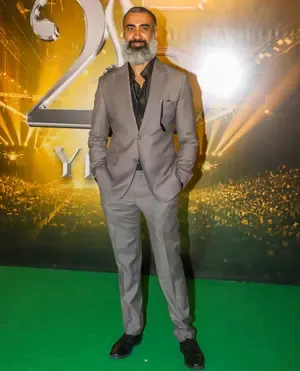
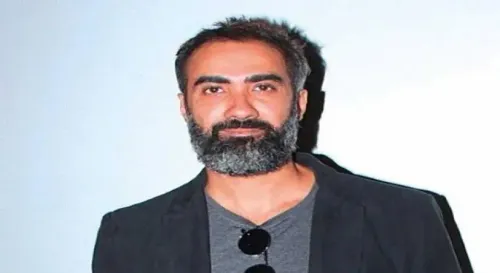
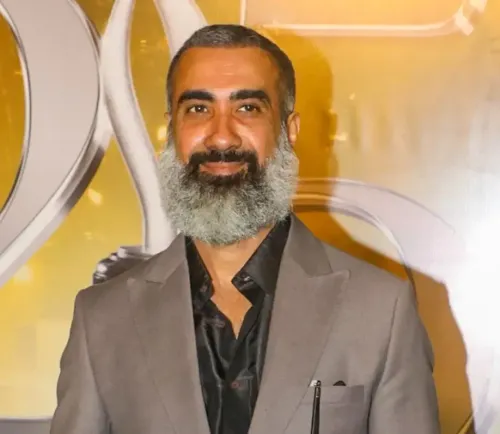
Ranvir Shorey rejected from big film for being 'anti-govt', too vocal
Synopsis
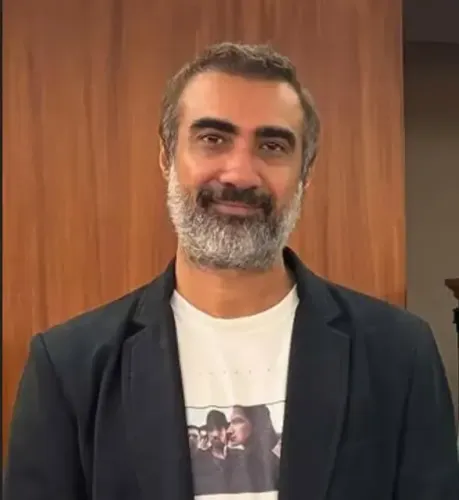
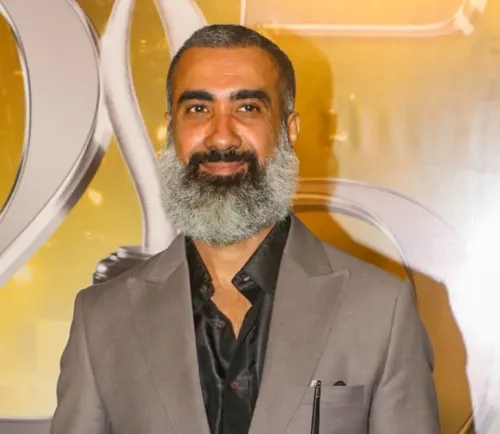
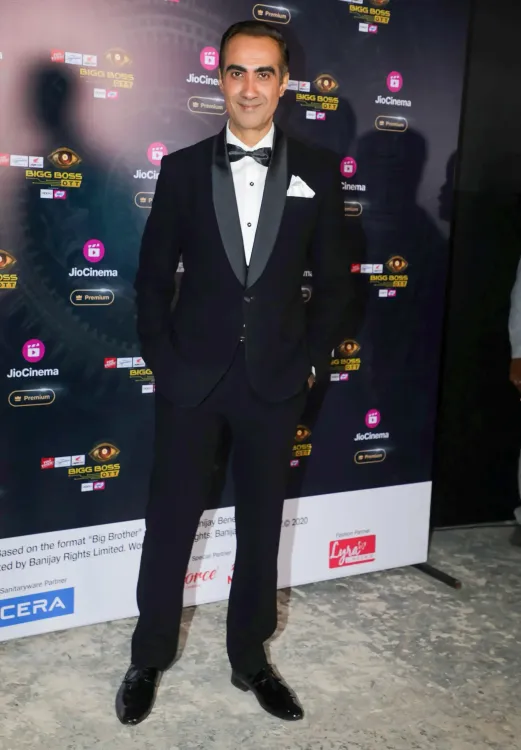
Ranvir Shorey has broken what is usually an unspoken understanding in Bollywood — by publicly confirming, via a trusted source, that a major studio rejected him for being 'anti-govt' and too 'vocal'. It puts a rare, named face on a dynamic that many in the industry quietly accept but almost never acknowledge on record.
Key Takeaways
Ranvir Shorey revealed on 3 October 2026 that a big mainstream studio rejected him for being labelled 'anti-govt', too 'vocal', and potentially 'controversial'.
Shorey said the information came from a 'trusted source' and described it as his first ever confirmed instance of being sidelined on political grounds.
He did not name the studio or the specific film involved.
The post drew widespread public support, with fans citing his acclaimed work in Khosla Ka Ghosla , Titli , and Bheja Fry .
Shorey recently faced backlash over an alleged abusive reply to a user criticising a Khosla Ka Ghosla 2 reel.
Actor Ranvir Shorey has disclosed that he was passed over for a role in a major mainstream studio production because he was labelled 'anti-govt', too 'vocal', and potentially 'controversial' — marking what he called his 'first ever confirmation' of being sidelined on political grounds.
What Ranvir Shorey Said
In a candid post on X (formerly Twitter) on 3 October 2026, Shorey wrote: 'With a heavy heart I'm sharing with you guys that I have finally got my first ever confirmation of not being cast in a film by a big mainstream studio for being anti-govt(?!), too vocal, and potentially controversial.'
The actor, best known for his roles in Khosla Ka Ghosla and Bheja Fry, added: 'I have always had an inkling about this, and it's finally confirmed by a trusted source. The world is a soul crushing place, my friends. You have to be your own light.'
Shorey did not name the studio or the film in question. The information, he said, came from a trusted source — making it, by his own account, reported rather than officially confirmed by any studio.
The Reaction Online
The disclosure drew an outpouring of support from fans and followers. One user wrote: 'Your identity is beyond the big mainstream studio. The ones who know your talent will find you no matter what they say. So aekla cholo re!' Another commented: 'Ranvir, thank you for sharing this. It must hurt, but your honesty is rare. Your work has always spoken for itself. Khosla Ka Ghosla, Titli and Bheja Fry are loved by many. No closed door can take that away.'
Context and Recent Controversy
Shorey has long been vocal on social media about a range of political and social issues, a disposition that has periodically made him a polarising figure in Bollywood. Most recently, he reportedly faced significant backlash after allegedly using abusive language in response to a social media user who criticised a viral reel featuring him with the Khosla Ka Ghosla 2 cast.
Notably, the allegation of studios shunning talent over political expression is not new to Indian cinema, though it is rarely confirmed explicitly by those affected. Shorey's willingness to name the dynamic publicly — even without naming the studio — is, for many observers, the more significant act than the rejection itself.
What This Means for the Industry
The disclosure reignites a long-running debate about creative freedom and political conformity in mainstream Bollywood. Critics argue that the industry's dependence on government-backed promotions, tax exemptions, and diplomatic access creates structural incentives for studios to avoid talent perceived as politically inconvenient. Whether Shorey's post prompts other artists in similar circumstances to speak up publicly remains to be seen.
Point of View
Attributed to a specific trusted source. The industry's structural entanglement with state promotion and tax access gives studios real incentives to avoid politically inconvenient talent, and that incentive rarely needs to be stated to function. What is missing from the discourse is accountability: no studio is named, no internal communication verified, making the claim credible but unverifiable. If Shorey's post emboldens others to speak on record, it could force a more honest reckoning with how political conformity operates in mainstream Hindi cinema.
NationPress
3 Oct 2026
Frequently Asked Questions
Why was Ranvir Shorey rejected from a Bollywood film?
According to Shorey, a major mainstream studio passed him over because he was considered 'anti-govt', too 'vocal', and potentially 'controversial'. He said the information came from a trusted source and called it his first confirmed instance of being sidelined on political grounds.
Which film or studio rejected Ranvir Shorey?
Shorey did not name the studio or the film in his X post. He only stated it was a 'big mainstream studio' and that the rejection was relayed to him by a trusted source.
What did Ranvir Shorey post on X about the rejection?
Shorey wrote that he was sharing the news 'with a heavy heart', confirming for the first time that he had not been cast due to being labelled 'anti-govt' and 'controversial'. He added that the world is a 'soul crushing place' and urged people to 'be your own light'.
What is Ranvir Shorey known for?
Ranvir Shorey is a critically regarded Bollywood actor known for films such as Khosla Ka Ghosla, Bheja Fry, and Titli. He is also known for his outspoken commentary on political and social issues on social media.
Is political blacklisting common in Bollywood?
Allegations of studios avoiding talent perceived as politically inconvenient have surfaced periodically in Hindi cinema, though they are rarely confirmed publicly. Shorey's post is notable because he explicitly attributed his rejection to his political views, based on a trusted source — making it one of the more direct public acknowledgements of the practice.