Pakistan's crackdown on dissent: Spikes, bullets and mass arrests draw scrutiny
Synopsis
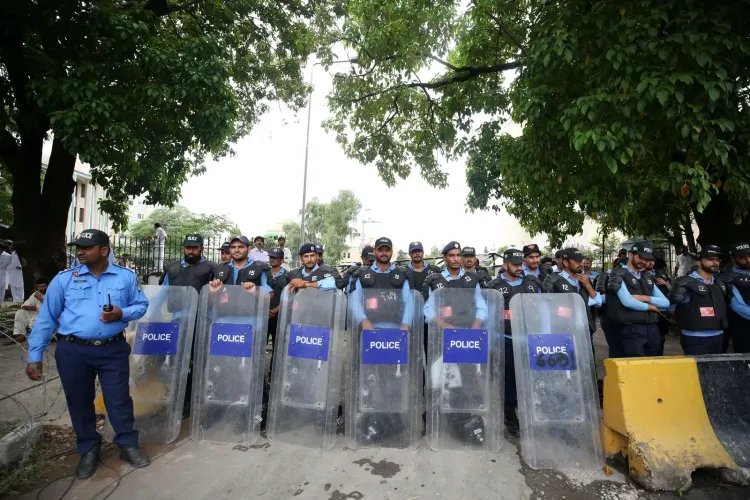
From spike-studded barriers deployed against PTI marchers in Islamabad to live fire on Baloch protesters and a reported toll of over 50 civilian deaths in Pakistan-occupied Kashmir, a Maldivian media report citing Amnesty International has catalogued what it calls a systemic, brutal pattern of dissent suppression by Pakistan's hybrid civil-military regime — drawing sharp international scrutiny.
Key Takeaways
Pakistan's government deployed metal spikes on a bridge to block a PTI protest march to Islamabad , drawing widespread condemnation.
Amnesty International accused Pakistani authorities of 'weaponising' laws and using degrading tactics to suppress dissent.
More than 50 civilians were reportedly killed by Pakistani security forces during a crackdown in Pakistan-occupied Kashmir .
In 2024 , Frontier Corps personnel allegedly opened fire on Baloch protesters, killing 3 and injuring 14 .
Amnesty International's Deputy Regional Director for South Asia, Babu Ram Pant , described the crackdowns as a 'punitive attempt to deter, vilify, and criminalise peaceful protesters.'
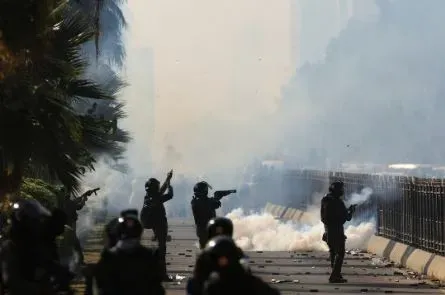
Pakistan's government has repeatedly deployed methods far exceeding the bounds of lawful crowd control — assaulting, arresting, and in documented cases killing protesters — according to a report by Maldivian media outlet Etruth MV, which cited findings by Amnesty International. The installation of large metal spikes on a bridge to halt a march by opposition party Pakistan Tehreek-e-Insaf (PTI) has emerged as a particularly stark symbol of the state's approach to political dissent.
The Spike Barrier and PTI Crackdown
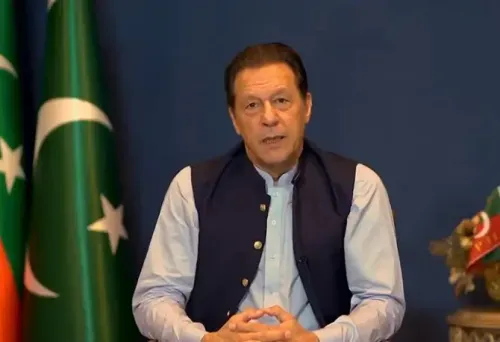
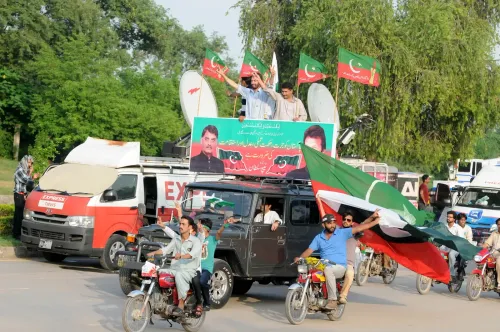
'Holding a protest is a democratic right, and people are allowed by the government of the day to express their anger and demands. However, it is not the case in Pakistan,' the Etruth MV report stated. The spike-fitted barriers, placed on a bridge ahead of PTI's march to Islamabad, left observers alarmed. The march itself was organised against alleged electoral manipulation, the erosion of judicial independence, and to demand the release of former Prime Minister Imran Khan.
According to Karachi-based activist Uneza Kokab, quoted in the report, authorities went further: 'Blocking the entire Islamabad by placing containers studded with nails, digging trenches across major routes, damaging the property of PTI workers, and abducting innocent children and their mothers — all out of political grudge.' Beyond barricades, authorities reportedly deployed metal containers, dug trenches across major routes, and allegedly detained relatives of party workers.
Amnesty International's Concerns
Amnesty International has raised formal concerns over what it describes as the Pakistani government 'weaponising' laws and employing 'deeply degrading tactics' to suppress dissent. The rights body characterised the approach as part of a sustained pattern by the country's 'hybrid civil-military regime.' The Etruth MV report noted that such tactics, if applied elsewhere, 'would send shockwaves of horror through the civilised world.'
Violence in Pakistan-Occupied Kashmir
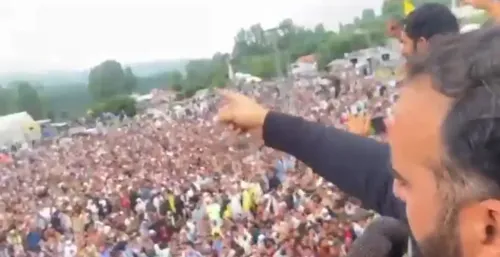
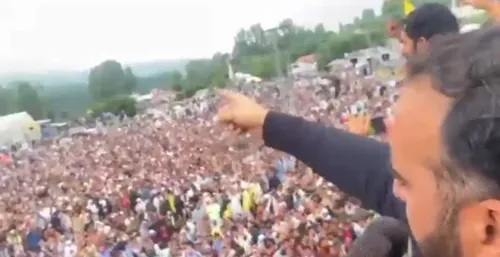
The report also documented alleged repression in Pakistan-occupied Kashmir (PoK), where protesters had been demanding basic rights including relief from inflation and an end to privileges enjoyed by political elites. According to the report, Pakistani authorities attempted to suppress demonstrations by disrupting food supplies. More than 50 civilians were reportedly killed by Pakistani security forces during a crackdown, while thousands were said to have been arrested, kidnapped, and tortured in the territory. Zahid Amin, a local resident quoted in the report, said: 'The real terrorist is the government, which tries to suppress this peaceful voice through coercion and force.'
Balochistan: The Worst-Affected Region
The report described Balochistan as perhaps the most severely affected region in Pakistan in terms of state violence against protesters. In 2024, personnel from Pakistan's Frontier Corps reportedly opened fire on Baloch people travelling to participate in a protest, killing three and injuring 14 others. Babu Ram Pant, Deputy Regional Director for South Asia at Amnesty International, said: 'Every time Baloch protests take place, their demands are met with violence by security forces and mass arrests. We see it now again with the Baloch Raji Machi protests in what is clearly a punitive attempt by the Pakistani authorities to deter, vilify, and criminalise peaceful protesters.'
A Widening Pattern Under Scrutiny
Taken together, the incidents documented across PTI demonstrations, PoK, and Balochistan point to a systemic pattern rather than isolated excesses. International rights organisations and regional media are increasingly drawing attention to these practices, adding external pressure on Islamabad at a time when Pakistan's political and economic stability is already under strain. How the government responds to mounting international scrutiny is likely to shape its diplomatic standing in the months ahead.
Point of View
Balochistan, and Pakistan-occupied Kashmir — that together undercut any claim of isolated excess. International rights bodies and regional media are now connecting the dots in ways Islamabad cannot easily dismiss. Pakistan's deepening economic fragility means it cannot afford sustained reputational damage with multilateral lenders and Western partners, which makes the cost of continued impunity higher than at any recent point.
NationPress
3 Oct 2026
Frequently Asked Questions
Why did Pakistan install metal spikes to stop PTI protests?
Pakistani authorities placed spike-fitted barriers and containers studded with nails on a bridge in Islamabad to block a march by opposition party PTI, which was protesting alleged electoral manipulation, judicial interference, and demanding the release of former Prime Minister Imran Khan. Rights groups say the tactic reflects a broader pattern of using physically dangerous methods to suppress dissent.
What has Amnesty International said about Pakistan's crackdown on protesters?
Amnesty International has accused the Pakistani government of 'weaponising' laws and using deeply degrading tactics to suppress dissent. Deputy Regional Director for South Asia Babu Ram Pant specifically described the response to Baloch Raji Machi protests as 'a punitive attempt to deter, vilify, and criminalise peaceful protesters.'
How many civilians were reportedly killed in Pakistan-occupied Kashmir during protests?
According to the report citing Maldivian outlet Etruth MV, more than 50 civilians were reportedly killed by Pakistani security forces during a crackdown in Pakistan-occupied Kashmir. Thousands more were said to have been arrested, kidnapped, and tortured.
What happened to Baloch protesters in 2024?
In 2024, Pakistan's Frontier Corps personnel allegedly opened fire on Baloch people travelling to join a protest, killing three and injuring 14 others. Amnesty International flagged the incident as part of a recurring pattern of violence against Baloch demonstrators.
Who is reporting on Pakistan's human rights crackdown?
The findings were compiled and reported by Maldivian media outlet Etruth MV, drawing on documentation and statements from Amnesty International. The report covers incidents across Islamabad, Pakistan-occupied Kashmir, and Balochistan, describing the pattern as characteristic of a 'hybrid civil-military regime.'