Salman Khan urges Sonam Wangchuk to end hunger strike after PM Modi vows NEET action
Synopsis
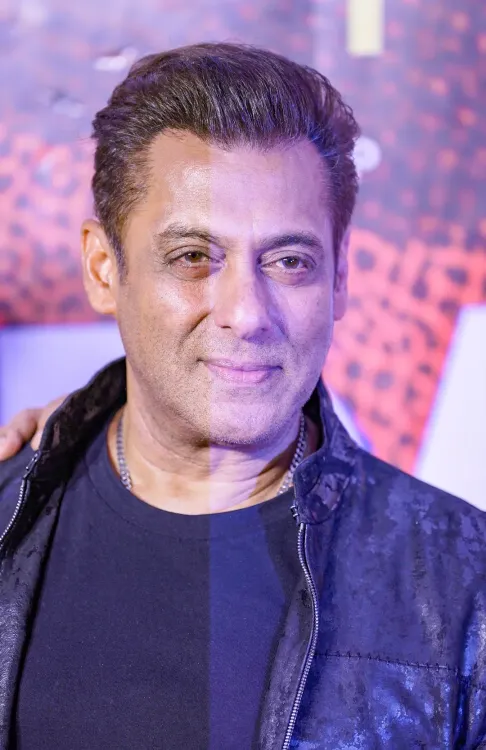
Salman Khan stepped into one of India’s most charged student protests, personally urging Sonam Wangchuk — forcibly removed from Jantar Mantar after 21 days of fasting — to end his hunger strike following PM Modi’s pledge of strict action on the NEET paper leak. It is a rare moment of Bollywood directly engaging a civil society protest at national scale.
Key Takeaways
Salman Khan posted on X on 23 July urging Sonam Wangchuk to end his indefinite hunger strike over the NEET paper leak .
Khan cited PM Modi’s post on X promising strict action against those responsible for the leak as grounds for Wangchuk to stand down.
Sonam Wangchuk had been on hunger strike at Jantar Mantar, New Delhi , demanding the resignation of Education Minister Dharmendra Pradhan .
Delhi Police forcibly removed Wangchuk from the protest site on 18 July after 21 days of fasting, citing deteriorating health and a Delhi High Court order.
The NEET paper leak has triggered widespread student protests, raising questions about the integrity of India’s medical entrance examination system.
Bollywood actor Salman Khan on Thursday, 23 July publicly urged activist Sonam Wangchuk to end his indefinite hunger strike, citing Prime Minister Narendra Modi's post on X promising strict action against those responsible for the NEET paper leak. Khan's appeal came amid mounting national pressure over alleged irregularities in competitive examinations, with Wangchuk's protest having already stretched beyond three weeks.
What Salman Khan Said
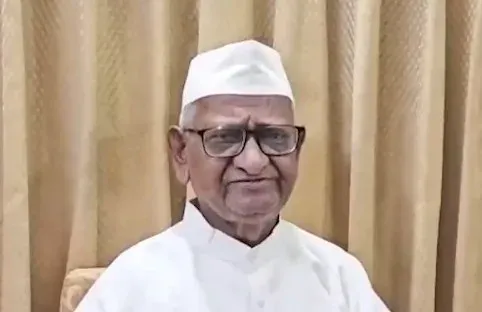
Taking to his official account on X (formerly Twitter), Khan posted a lengthy note addressed both to students and to Wangchuk directly. “The students are at top priority, educationally n security-wise, so they need not worry and have their parents worried for them. The Honorable Prime Minister has tweeted, and I am sure that he will take strict action against all those people who are responsible for this leak. So students, plz go back to your parents n homes,” he wrote.
Turning specifically to Wangchuk, Khan added: “Sonam, it’s done, bro. Don’t extend this. Keep the spirit for another day if there be a need, which I doubt, n eat something. If u want, will send u food from home.” The personal, informal tone of the message drew wide attention on social media.
Sonam Wangchuk’s Protest and Removal
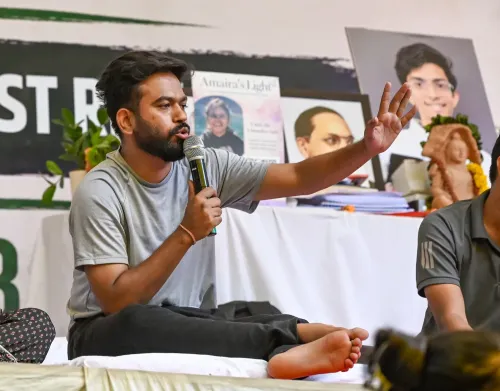
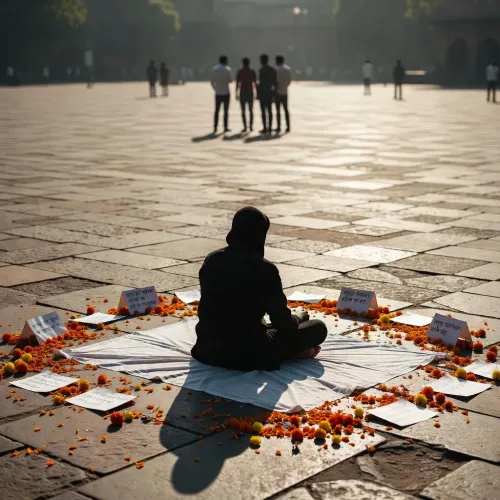
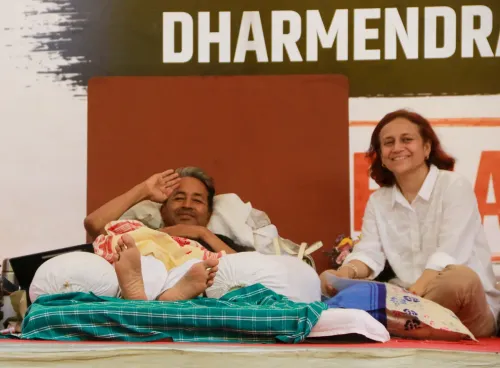
Activist Sonam Wangchuk had launched an indefinite hunger strike demanding the resignation of Union Education Minister Dharmendra Pradhan over alleged irregularities in competitive examinations, including the NEET paper leak. His protest was held at Jantar Mantar, New Delhi.
On 18 July, after completing 21 days of fasting, Delhi Police forcibly removed Wangchuk from the protest site in the early hours of the morning. Authorities shifted him to a hospital, citing his deteriorating health, medical advice, and compliance with a Delhi High Court order. The removal itself sparked fresh controversy, with critics questioning the manner in which a peaceful protester was displaced.
The NEET Paper Leak: Background
The NEET paper leak controversy had by this point gripped the country, triggering student demonstrations across multiple cities. The leak raised serious questions about the integrity of one of India’s most high-stakes entrance examinations, which determines medical college admissions for hundreds of thousands of aspirants annually. Wangchuk’s hunger strike had become one of the most visible faces of the broader protest movement.
Notably, this is not an isolated incident — paper leaks in competitive examinations have been a recurring concern in India, with earlier episodes in state-level and central recruitment tests having gone largely unresolved. The NEET episode brought the issue to national prime time.
Government’s Response
Prime Minister Modi's post on X, promising strict action against those responsible for the leak, was cited by Khan as sufficient grounds for Wangchuk to stand down. The government had faced sustained pressure from opposition parties, student groups, and civil society to act decisively. Education Minister Dharmendra Pradhan, whose resignation Wangchuk had demanded, had not stepped down as of the date of Khan’s appeal.
As the controversy continues to unfold, all eyes remain on whether the Centre’s promised action translates into concrete accountability — and whether Wangchuk accepts the appeal to end his fast.
Point of View
Not a concrete policy outcome. PM Modi’s promise of ‘strict action’ is not the same as accountability delivered, and Wangchuk’s core demand — the resignation of Education Minister Pradhan — remains unmet. The NEET paper leak is part of a longer pattern of examination integrity failures that successive governments have failed to structurally address. Whether Khan’s appeal lands or not, the student anger driving this protest will not dissipate until there are verifiable consequences for those responsible.
NationPress
23 Jul 2026
Frequently Asked Questions
Why did Salman Khan urge Sonam Wangchuk to end his hunger strike?
Salman Khan urged Sonam Wangchuk to end his fast after Prime Minister Narendra Modi posted on X promising strict action against those responsible for the NEET paper leak. Khan posted a personal appeal on 23 July, saying the PM’s assurance was sufficient grounds for Wangchuk to stand down.
What was Sonam Wangchuk protesting about?
Sonam Wangchuk was on an indefinite hunger strike demanding the resignation of Union Education Minister Dharmendra Pradhan over alleged irregularities in competitive examinations, particularly the NEET paper leak. He held his protest at Jantar Mantar in New Delhi.
Why was Sonam Wangchuk removed from the protest site?
Delhi Police forcibly removed Wangchuk from Jantar Mantar on 18 July, after he had completed 21 days of fasting. Authorities cited his deteriorating health, medical advice, and compliance with a Delhi High Court order as reasons for the removal.
What did PM Modi say about the NEET paper leak?
Prime Minister Modi posted on X promising strict action against all those responsible for the NEET paper leak. This post was cited by Salman Khan as a key reason for Wangchuk to end his hunger strike.
Has Education Minister Dharmendra Pradhan resigned over the NEET controversy?
As of 23 July, Education Minister Dharmendra Pradhan had not resigned despite Sonam Wangchuk’s demand and sustained pressure from opposition parties and student groups. The government’s response has been limited to promising action against those responsible for the leak.