PoK protests expose Pakistan's Kashmir narrative as repression deepens
Synopsis
Pakistan's 'Azad Kashmir' label is being tested in real time. With roughly 30 people killed, the JAAC banned under anti-terrorism laws, and security forces treating civilian protesters as insurgents, the unrest in PoK is doing what diplomacy could not — exposing the gap between Islamabad's Kashmir narrative and the ground reality in Muzaffarabad.
Key Takeaways
Unrest in Pakistan-occupied Kashmir (PoK) is directly challenging Islamabad 's 'Azad Kashmir' narrative, according to a Stringer Asia report.
Nine people were killed in July during clashes in Tararkhal and Rawalakot ; the total death toll since the turmoil began is estimated at roughly thirty .
The Joint Awami Action Committee (JAAC) — comprising traders, lawyers, and civil society activists — was banned under anti-terrorism laws and several members arrested.
Pakistan's crackdown mirrors tactics reportedly used in Balochistan and Khyber Pakhtunkhwa , framing civilian dissent as foreign-sponsored destabilisation.
The regional government's authority in PoK ultimately rests with Islamabad , not Muzaffarabad , the report argues, undermining the premise of self-governance.
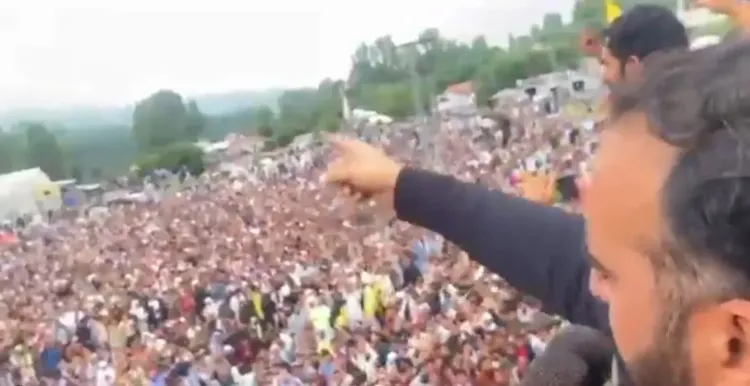
Unrest in Pakistan-occupied Kashmir (PoK) is mounting pressure on Islamabad's long-held narrative over the region, laying bare a system of domination concealed beneath the label 'Azad' — meaning freedom — as crackdowns, arbitrary detentions, and internet shutdowns intensify, according to a report by Stringer Asia.
What the Protests Reveal
The report argues that the term 'Azad Kashmir' has become a hollow construct. According to the analysis, the regional government's ultimate authority rests not in Muzaffarabad but in Islamabad, with assembly composition reportedly shaped through constituencies located outside the territory itself. The report describes a pattern of economic exploitation, elite privilege, political arrests, and anti-terrorism laws weaponised against civilian protest movements.
'The people living there are now demonstrating what that freedom actually means,' the Stringer Asia report stated, detailing how dissent in the region is systematically suppressed rather than engaged.
Death Toll and Scale of Unrest
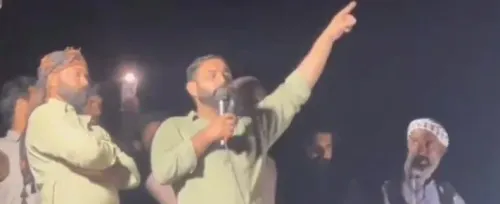
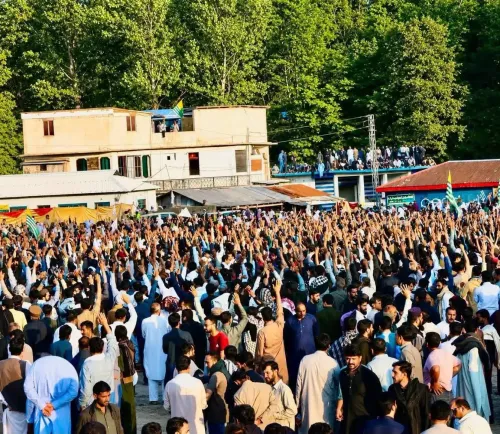
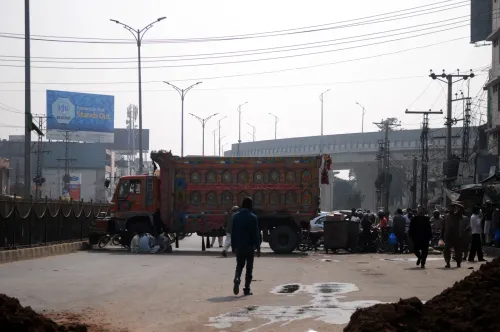
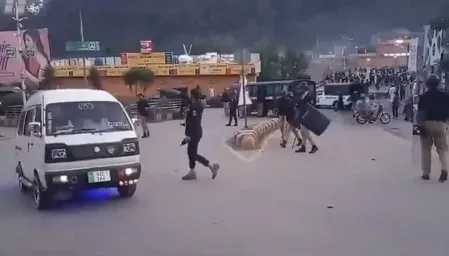
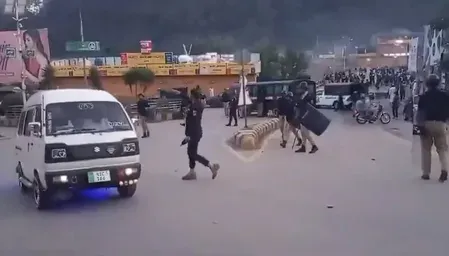
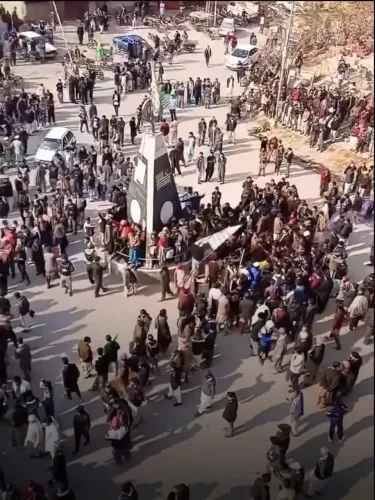
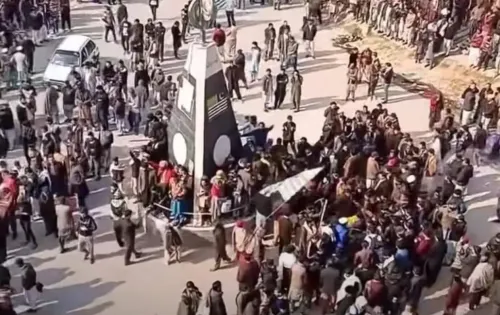
The current wave of unrest has produced widespread demonstrations, strikes, and road blockades, escalating into violent confrontations between protesters and Pakistani security forces. In July, nine people were killed during clashes in Tararkhal and Rawalakot — six protesters and one police officer in Tararkhal, and one protester and one security official in Rawalakot. According to local estimates, the total number of deaths since the current turmoil began stands at roughly thirty.
JAAC Banned, Leaders Arrested
Pakistan's response has followed what the report describes as a familiar administrative template. The Joint Awami Action Committee (JAAC) — a coalition of traders, lawyers, transport workers, and civil society activists — was banned under anti-terrorism laws. Several of its members were arrested, communication channels were restricted, and security forces were deployed in a manner the report says treated a civilian campaign for political representation and economic justice as an insurgency.
'Citizens become terrorists, demands become conspiracies, demonstrations become foreign-sponsored destabilisation, and military violence becomes law enforcement,' the report noted, drawing a direct parallel with Balochistan, where families of the disappeared have reportedly been accused of serving foreign intelligence agencies.
A Pattern Replicated Across Pakistan
The report contends that this approach has been refined across multiple fronts — in Khyber Pakhtunkhwa, where opposition to military operations is treated as sympathy for terrorism, and against journalists, lawyers, students, ethnic movements, and supporters of Imran Khan. Islamabad, it argues, frames every instance of domestic unrest as foreign interference — portraying Baloch activists as Indian agents, Pashtun critics as terrorist sympathisers, and PoK protesters as national security threats.
'The alternative explanation — that Pakistan's citizens and subject populations are capable of recognising oppression without foreign assistance — is apparently too dangerous to contemplate,' the report concluded.
What This Means for the Kashmir Narrative
Analysts note that sustained civilian unrest in PoK, particularly when it draws international attention, complicates Pakistan's diplomatic posture on Kashmir. While Islamabad has historically positioned itself as a champion of Kashmiri self-determination, the repression of a grassroots movement within its own administered territory presents a credibility problem that temporary agreements and crackdowns cannot fully contain. How Pakistan navigates the JAAC movement in the weeks ahead will be closely watched by regional observers.
Point of View
No amount of diplomatic messaging will paper over what protesters are now saying loudly on the streets of Rawalakot.
NationPress
23 Jul 2026
Frequently Asked Questions
What is the current situation in Pakistan-occupied Kashmir (PoK)?
Widespread protests, strikes, and road blockades have gripped PoK, with violent confrontations between demonstrators and Pakistani security forces. According to local estimates, roughly thirty people have been killed since the unrest began, including nine in July alone during clashes in Tararkhal and Rawalakot.
Who is the Joint Awami Action Committee (JAAC) and why was it banned?
The JAAC is a coalition of traders, lawyers, transport workers, and civil society activists demanding political representation and economic justice in PoK. Pakistan banned the organisation under anti-terrorism laws and arrested several of its members, a move the Stringer Asia report describes as part of a pattern of criminalising civilian dissent.
How many people have been killed in the PoK unrest?
According to local estimates cited in the Stringer Asia report, roughly thirty people have died since the current turmoil began. In July, nine were killed during clashes in Tararkhal and Rawalakot — six protesters and one police officer in Tararkhal, and one protester and one security official in Rawalakot.
How does this unrest affect Pakistan's position on Kashmir?
The protests undermine Islamabad's long-standing narrative of championing Kashmiri self-determination, since Pakistan is simultaneously repressing a grassroots civilian movement in the territory it directly administers. Analysts argue this presents a significant diplomatic credibility problem for Pakistan on the international stage.
How does Pakistan's response in PoK compare to its actions in Balochistan and Khyber Pakhtunkhwa?
The Stringer Asia report argues the approach is near-identical — framing civilian dissent as foreign-sponsored terrorism, deploying security forces against protest movements, and restricting communication. In Balochistan, families of disappeared persons have reportedly been accused of working for foreign intelligence agencies; in Khyber Pakhtunkhwa, opposition to military operations has been treated as support for terrorism.