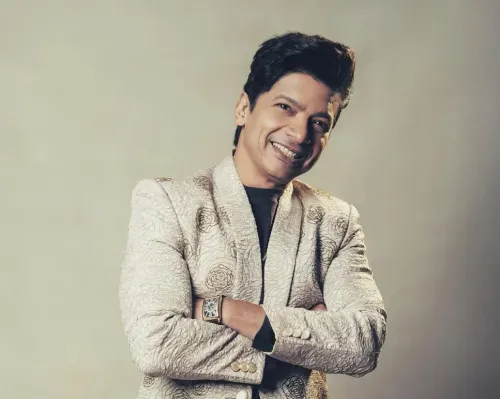
Sukhwinder Singh on 'Dard-E-Disco': Why he still practices the alaap before every show

Synopsis
Sukhwinder Singh's revelation on Indian Idol reframes 'Dard-E-Disco' — not as a disco anthem but as a classical composition rooted in Raag Bhairavi. The fact that he still practices the opening alaap before every live show, nearly two decades on, speaks to the song's rare technical depth beneath its dancefloor surface.
Key Takeaways
Sukhwinder Singh revealed that 'Dard-E-Disco' from Om Shanti Om (2007) is rooted in Raag Bhairavi .
He described the song as a 'perfectly balanced combination' of classical raag and rock — fusion without confusion.
Sukhwinder said he still practices the opening alaap before every live performance to stay true to the raag.
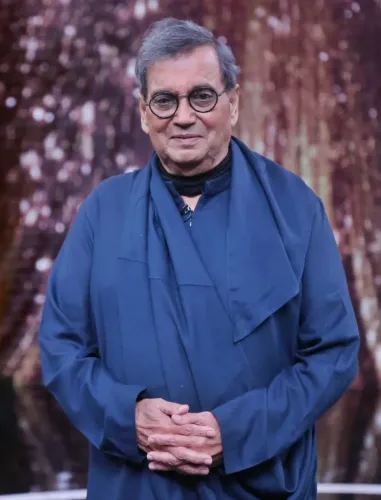
The revelation came during his guest appearance on Indian Idol , alongside judges Vishal Dadlani and Shreya Ghoshal .
Contestant Chaitanya Devadhe's performance prompted the discussion, with the entire panel dancing on the floor.
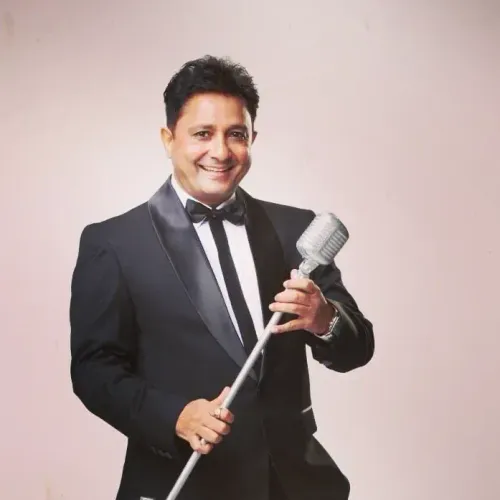
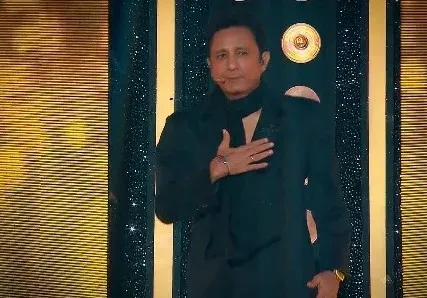
Veteran playback singer Sukhwinder Singh has opened up about the making and enduring musical complexity of 'Dard-E-Disco', the iconic track from the 2007 blockbuster Om Shanti Om, revealing that the song demands rigorous riyaaz even today before every live performance. The disclosure came during his appearance as a special guest on the singing reality show Indian Idol, airing on Sony Entertainment Television.
A Fusion That Was Never a Confusion
Sharing the stage with judges Vishal Dadlani and Shreya Ghoshal, Sukhwinder recalled the moment the composition was first taught to him. 'I was sitting alone listening when this composition was taught to me,' he said. 'We would continue learning and refining it with the music director on the microphone until it felt right.'
He described the song's core architecture as a deliberate marriage of classical Indian music and rock — a combination he acknowledged sounds unusual on paper. 'The combination of a classical raag and rock music may sound unusual. We're talking about fusion, but it wasn't a confused mix; it was a perfectly balanced combination,' he explained.
The Raag at the Heart of the Song
Sukhwinder identified Raag Bhairavi as the classical foundation of 'Dard-E-Disco', noting that the raag permeates the entire composition rather than appearing as a mere ornamental touch. 'Every song has some connection to a raag, but while singing this one, the melody and rhythm made me feel as though I was engaged in a form of worship, immersed in a spiritual mood,' he said.
He added that the song's lyrics — 'O Haseena, O Neelampari, dil mein mere hai Dard-E-Disco' — contributed to its distinctive identity, calling them 'very unique' for a high-energy dance number of that era. Notably, the song blended an operatic classical alaap with a pulsating club arrangement, a structural choice that was rare in mainstream Bollywood at the time.
Why He Still Practices It Before Every Performance
Despite having performed the song countless times over nearly two decades, Sukhwinder said he never treats it as routine. 'Even today, whenever I perform the song on stage, I remind myself that I should practice and sing that opening alaap properly, staying true to the same raag from which it originated. The song never really moves away from that raag,' he said.
This candid admission underscores the technical rigour that classical-fusion compositions demand from performers — a discipline that can easily be compromised in the high-tempo environment of live concerts.
The Indian Idol Moment That Sparked the Revelation
The conversation was triggered by contestant Chaitanya Devadhe's performance, which had Sukhwinder, Vishal Dadlani, Shreya Ghoshal, and fellow contestants dancing on the floor. Sukhwinder also referenced Ghoshal's own experience with classical-rock fusion, pointing to her collaboration with Dadlani on Student of the Year as a parallel example of the genre.
Indian Idol continues to stream on Sony LIV alongside its television broadcast.
Point of View
But its Raag Bhairavi spine means it punishes sloppy execution in a way most pop songs do not. That a singer of his standing still schedules riyaaz specifically for one song says something about the invisible craft standard that separates Bollywood's enduring hits from its forgettable ones. Indian Idol, for all its reality-show trappings, occasionally surfaces this kind of institutional knowledge — and that is worth noting.
NationPress
15 Sept 2026
Frequently Asked Questions
What classical raag is 'Dard-E-Disco' based on?
'Dard-E-Disco' from Om Shanti Om (2007) is based on Raag Bhairavi, according to singer Sukhwinder Singh. He has said the raag runs through the entire composition and the song never truly departs from it.
Why does Sukhwinder Singh practice 'Dard-E-Disco' before every live performance?
Sukhwinder Singh practices the song before every show because its opening alaap must be sung in strict adherence to Raag Bhairavi, which he says demands dedicated riyaaz even after years of performing it. He has noted that the song's classical structure does not allow for casual execution on stage.
Where did Sukhwinder Singh reveal these details about 'Dard-E-Disco'?
He shared these insights during his appearance as a special guest on the reality singing show Indian Idol, which airs on Sony Entertainment Television and streams on Sony LIV. Judges Vishal Dadlani and Shreya Ghoshal were also present during the conversation.
What makes 'Dard-E-Disco' unusual as a Bollywood dance number?
The song uniquely combines a classical Indian raag — Raag Bhairavi — with a high-energy rock and disco arrangement. Sukhwinder Singh has described it as a 'perfectly balanced fusion' rather than a confused mix, making it rare among mainstream Bollywood dance tracks of its era.
Who is Chaitanya Devadhe on Indian Idol?
Chaitanya Devadhe is a contestant on the current season of Indian Idol whose performance during Sukhwinder Singh's guest appearance prompted the singer to share his insights about 'Dard-E-Disco'. The performance reportedly had the entire judging panel and fellow contestants dancing on the floor.