Bashir Badr, celebrated Urdu poet and Padma Shri awardee, dies at 91
Synopsis
Bashir Badr, one of Urdu’s most beloved poets, is gone at 91 — and with him, manuscripts destroyed in the 1987 riots that the world never got to read. Javed Akhtar’s tribute said it plainly: Urdu is a little poorer today. His couplets, from the Shimla Agreement to heartbreak and loss, will outlast the silence.
Key Takeaways
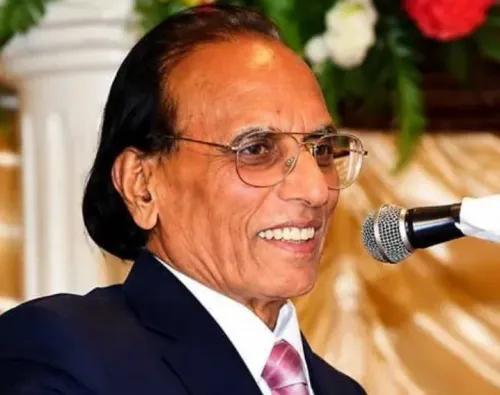
Bashir Badr , celebrated Urdu poet and Padma Shri awardee, passed away on 28 May 2025 at age 91 after a prolonged illness.
Lyricist Javed Akhtar paid tribute on X , saying ‘Urdu has become a little poorer’ with Badr’s passing.
Badr penned a celebrated couplet during the 1972 Shimla Agreement between India and Pakistan.
Born on 15 February 1935 in Ayodhya , he earned a PhD from Aligarh Muslim University and headed the Urdu Department at Meerut College for 17 years .
His home and many unpublished manuscripts were destroyed in the 1987 communal riots ; he subsequently relocated to Bhopal .
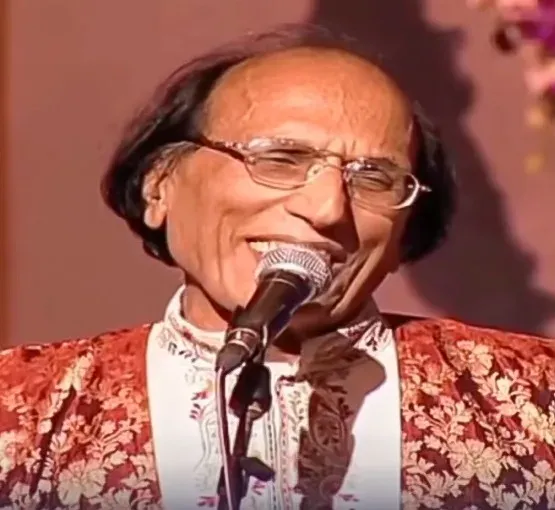
Celebrated Urdu poet and Padma Shri awardee Bashir Badr passed away on Thursday, 28 May at the age of 91, following a prolonged illness. His death marks the end of a literary era — Badr was among the last of a generation of Urdu poets whose verses wove seamlessly between classical form and everyday human emotion.
Javed Akhtar Pays Tribute
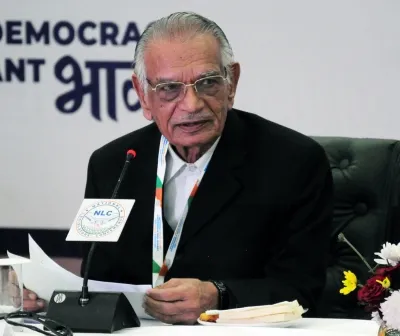
Veteran lyricist and screenwriter Javed Akhtar expressed his grief on his official X handle, writing in Urdu: “Today, our language Urdu has become a little poorer. Bashir Badr, an extremely melodious poet, has departed from our gathering forever. This poet and his poetry will live on in our memories forever.” Akhtar’s tribute resonated widely, reflecting the esteem in which Badr was held across literary and cultural circles.
A Legacy Written in Timeless Verse
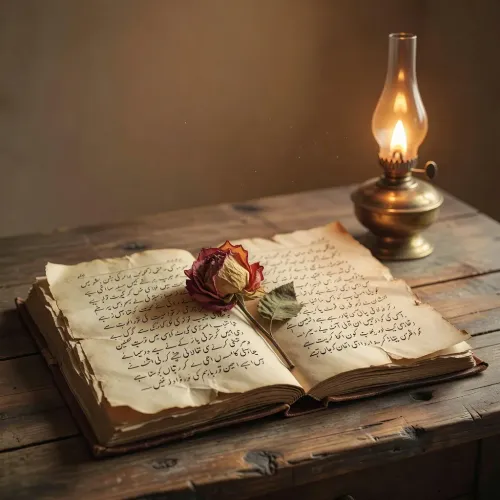
Badr’s verses have endured across decades, recited at gatherings, quoted in films, and passed down through generations. Among his most celebrated couplets is one he penned during the 1972 Shimla Agreement between India and Pakistan: ‘Dushmani jam kar karo lekin ye gunjaish rahe, jab kabhi hum dost ho jayein to sharminda na hon.’ His other widely remembered works include ‘Kuch to majbooriyaan rahi hongi, yun hi koi bewafa nahi hota’ and ‘Ujale apni yaadon ke hamare saath rehne do, na jaane kis gali mein zindagi ki shaam ho jaye.’
Life, Education and Academic Career
Bashir Badr was born on 15 February 1935 in Ayodhya, Uttar Pradesh. He pursued higher education at Aligarh Muslim University (AMU), where he also earned his PhD. He later served as a professor of Urdu at AMU before becoming the Head of the Urdu Department at Meerut College, a post he held for nearly 17 years. His academic contributions helped shape generations of Urdu literary scholars.
Tragedy of 1987 and Later Years
Badr’s life was marked by profound personal loss when his home was set ablaze during the 1987 communal riots, destroying many of his unpublished manuscripts and writings — an irreplaceable loss to Urdu literature. Devastated, he relocated to Bhopal, where he spent the remainder of his life. Despite the tragedy, his existing body of work continued to reach new audiences through recordings, anthologies, and digital platforms.
Recognition and Enduring Influence
The Government of India honoured Badr with the Padma Shri for his contributions to Urdu literature. Known primarily for his writing on love and human relationships, his poetry occupied a rare space — accessible to the common reader yet layered enough for literary scholars. With his passing, the Urdu literary world loses one of its most melodic voices.
Point of View
And Badr’s passing is a moment to confront it. His longevity in public memory, sustained not by institutions but by ordinary people quoting his couplets in conversation and on social media, is itself a statement about the organic reach of Urdu poetry in a media landscape that has long underserved it.
NationPress
13 Oct 2026
Frequently Asked Questions
Who was Bashir Badr?
Bashir Badr was a celebrated Urdu poet and Padma Shri awardee, born on 15 February 1935 in Ayodhya, Uttar Pradesh. He was widely known for his lyrical verses on love and human relationships, and was one of the most recognisable voices in contemporary Urdu poetry.
How did Bashir Badr die?
Bashir Badr passed away on 28 May 2025 at the age of 91 after suffering from a prolonged illness, according to reports. No further details about the cause of death have been officially confirmed.
What did Javed Akhtar say about Bashir Badr’s passing?
Javed Akhtar posted a tribute on X, writing in Urdu that ‘today, our language Urdu has become a little poorer’ and that Badr had ‘departed from our gathering forever.’ He added that the poet and his poetry would live on in memory.
What is Bashir Badr’s most famous couplet?
One of his most celebrated couplets — ‘Dushmani jam kar karo lekin ye gunjaish rahe, jab kabhi hum dost ho jayein to sharminda na hon’ — was written during the 1972 Shimla Agreement between India and Pakistan. He is also remembered for verses on love, loss, and human fragility.
Why did Bashir Badr move to Bhopal?
Badr relocated to Bhopal after his home was set on fire during the 1987 communal riots, which destroyed many of his unpublished manuscripts and writings. The loss devastated him personally and professionally, and he spent the rest of his life in Bhopal.