Bangladesh dengue surge threatens healthcare already strained by 718 measles deaths
Synopsis
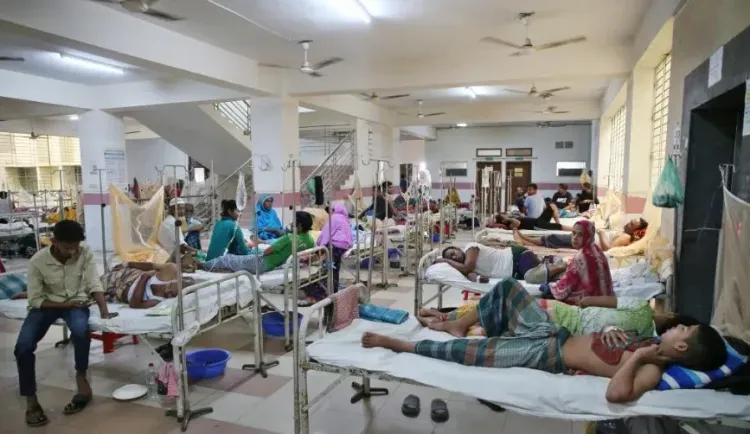
Bangladesh is caught in a rare double health emergency: hospitals still recording 900-plus measles admissions daily — with 718 deaths since March — are now bracing for a dengue surge that experts say will peak in August, with districts outside Dhaka at greatest risk. The convergence of two outbreaks during peak monsoon is the defining public health stress test for the country this year.
Key Takeaways
718 deaths from measles or measles-like symptoms were recorded in Bangladesh between 15 March and 30 June 2025 .
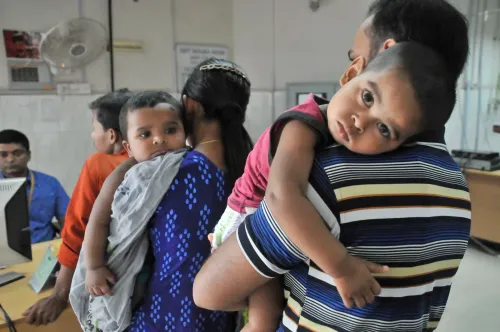
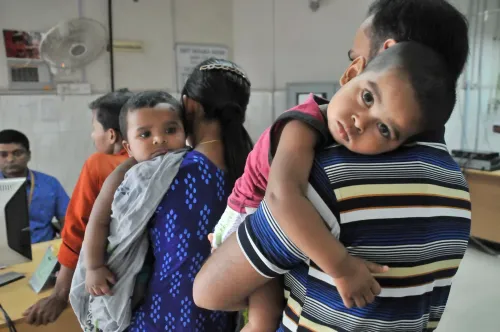
More than 113,000 patients , mostly children, were hospitalised for measles during the same period; 3,627 remain under treatment.
A vaccination drive in April–May covered 18.4 million children but daily admissions remain above 900 .
June accounted for 48% of all dengue cases and 72% of dengue deaths so far in 2025, with 18 total fatalities .
Experts forecast a major dengue surge in August , especially in Barishal and Chattogram divisions.
Health experts are calling for expanded larval control, temporary treatment facilities, and dedicated dengue units.
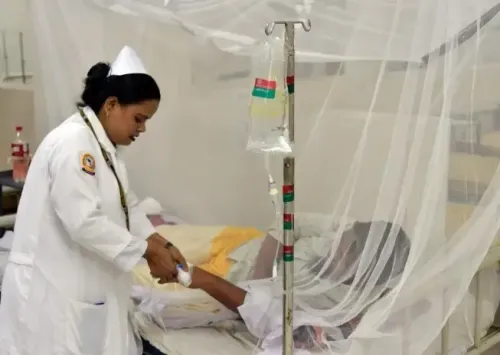
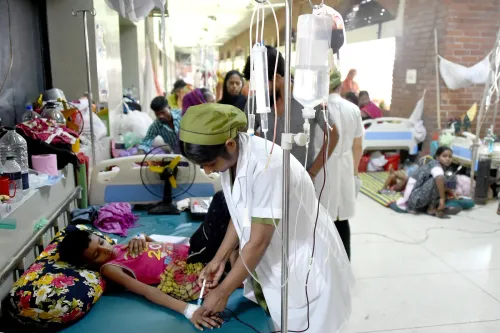
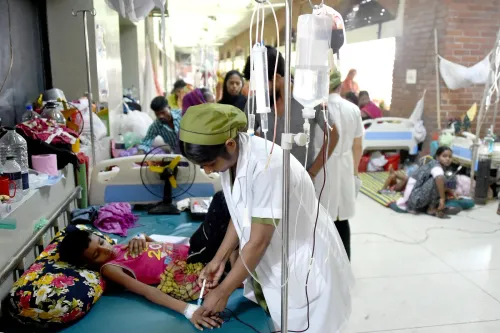
Bangladesh is facing a compounding public health emergency as hospitals in Dhaka continue to record more than 900 measles admissions daily, even as dengue infections climb sharply with the onset of the monsoon season. Health experts warned on Thursday, 2 July that the convergence of two major disease burdens risks overwhelming an already stretched healthcare system and could drive additional fatalities in the months ahead.
Scale of the Measles Crisis
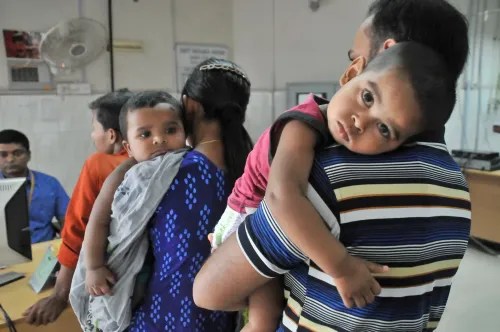
Between 15 March and 30 June, the Directorate General of Health Services (DGHS) recorded 718 deaths from measles or measles-like symptoms, with more than 113,000 patients — predominantly children — hospitalised during the same period. Of the 85,509 patients admitted across major hospitals, 81,882 have since been discharged, while 3,627 remain under treatment.
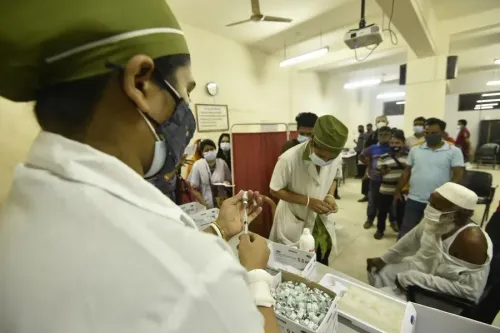
An emergency measles-rubella vaccination campaign conducted in April and May reached 18.4 million children and helped slow transmission. However, Fazle Rabbi Chowdhury, associate professor in the Department of Internal Medicine at Bangladesh Medical University (BMU), noted that the pace of decline has been slower than anticipated. 'At the same time, the monsoon is creating ideal conditions for mosquito breeding, and dengue cases have already started rising. This will definitely put additional pressure on hospitals,' Chowdhury was quoted as saying.
Dengue Cases Surge in June
The dengue situation deteriorated markedly in June, which accounted for 48 per cent of all dengue cases and 72 per cent of dengue-related deaths recorded so far in 2025, according to reports citing The Daily Star. The country has logged 18 dengue-related deaths this year, with 13 of those fatalities — 72 per cent of the total — occurring in June alone.
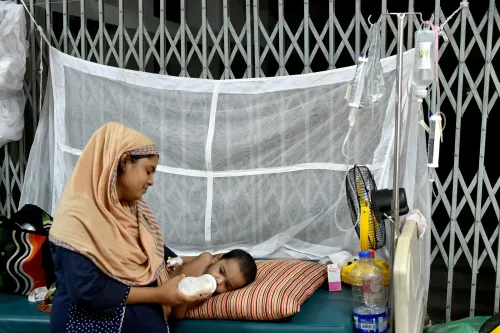
Experts cautioned that both case counts and fatalities could rise further during the peak monsoon months of July and August, unless authorities move swiftly to control Aedes mosquito breeding.
Districts Outside Dhaka at Greatest Risk
Kabirul Bashar, an entomologist at Jahangirnagar University, warned that the worst may be ahead, particularly for regions beyond the capital. 'Based on our forecasting model, a major surge is expected in August, particularly in districts under Barishal and Chattogram divisions, as well as several other parts of the country,' he told The Daily Star. This pattern mirrors previous years when dengue spread outward from Dhaka into the divisions during peak monsoon, straining district-level facilities that lack the capacity of central hospitals.
What Experts Are Calling For
Health experts have urged Bangladeshi authorities to take immediate steps to prevent a dual-disease crisis from escalating further. Recommended measures include boosting larval control programmes, expanding temporary treatment facilities, and establishing dedicated dengue units within hospitals to separate patient flows and preserve capacity for both disease burdens.
Notably, major public hospitals in Dhaka — which bore the brunt of past dengue outbreaks — are currently occupied with measles patients, leaving limited surge capacity. Without structural intervention, the healthcare system faces the risk of a compounding crisis through August 2025.
Point of View
And they are doing so precisely as the monsoon unlocks the annual dengue cycle. The 18.4-million-child vaccination campaign was the right call, but its late arrival means hospitals are running a measles tail and a dengue head simultaneously. What the DGHS data does not yet capture is the secondary toll: delayed care for other conditions, staff fatigue, and the risk of nosocomial spread in overwhelmed wards. The Barishal and Chattogram forecast is the sharpest warning — district hospitals in those divisions are structurally under-resourced compared to Dhaka, and a surge there could go undercounted and undertreated.
NationPress
30 Sept 2026
Frequently Asked Questions
How many people have died from measles in Bangladesh in 2025?
The Directorate General of Health Services (DGHS) recorded 718 deaths from measles or measles-like symptoms between 15 March and 30 June 2025, with more than 113,000 patients — mostly children — hospitalised during that period.
Why are dengue cases rising in Bangladesh now?
The onset of the monsoon season has created ideal breeding conditions for Aedes mosquitoes, driving a sharp rise in dengue infections. June 2025 alone accounted for 48 per cent of all dengue cases and 72 per cent of dengue deaths recorded this year, according to reports.
Which parts of Bangladesh face the greatest dengue risk in 2025?
According to entomologist Kabirul Bashar of Jahangirnagar University, districts under the Barishal and Chattogram divisions are expected to face the greatest risk, with a major surge forecast for August 2025 based on epidemiological modelling.
Did Bangladesh's measles vaccination campaign work?
The emergency measles-rubella vaccination campaign in April and May 2025 covered 18.4 million children and helped slow transmission, but experts say the pace of decline has been slower than expected, with hospitals still recording over 900 admissions daily.
What measures are health experts recommending to prevent a larger crisis?
Experts are urging Bangladeshi authorities to intensify larval control to curb Aedes mosquitoes, expand temporary treatment facilities, and establish dedicated dengue units within hospitals to manage the dual disease burden through the peak monsoon months of July and August.