Bangladesh measles death toll hits 788 as four more children die in 24 hours
Synopsis
Bangladesh's measles epidemic has now killed 788 people — confirmed and suspected — with hospitals still absorbing over 900 daily admissions even as the monsoon stokes a parallel dengue surge. Experts warn the country may be heading toward a compounding public health crisis unless authorities act fast on two fronts simultaneously.
Key Takeaways
Bangladesh's measles-linked death toll reached 788 as of 8 am on 19 July , with four new deaths recorded in the preceding 24 hours.
Of total deaths, 693 are suspected measles fatalities and 95 are laboratory-confirmed.
Cumulative suspected cases stand at 117,648 ; confirmed infections at 14,431 .
Since 15 March , 100,137 patients have been hospitalised; 96,521 have recovered, per DGHS data.
Dengue cases in June alone accounted for 48% of annual infections and 72% of annual dengue deaths so far.
Experts including Fazle Rabbi Chowdhury of Bangladesh Medical University have called for dedicated dengue units and expanded treatment facilities ahead of peak monsoon.
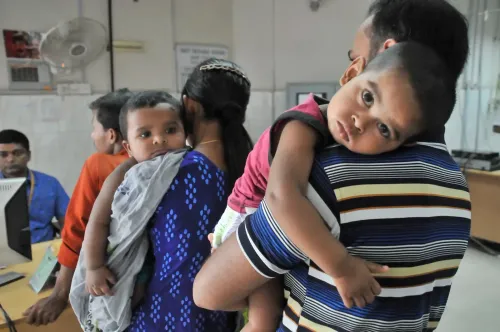
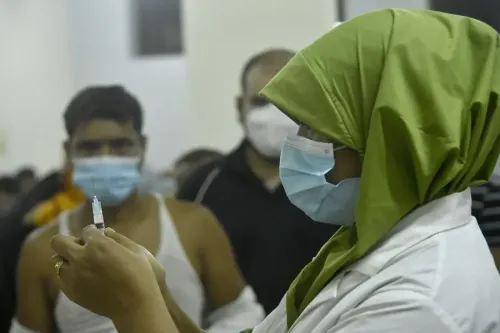
Bangladesh's measles outbreak claimed four more lives in the 24 hours ending 8 am on Sunday, 19 July, pushing the country's total confirmed and suspected measles-linked deaths to 788, according to local media reports. All four latest fatalities were classified as suspected measles deaths, underscoring the scale of an epidemic that has gripped the country for months.
Where the Numbers Stand
Of the 788 total deaths, 693 are categorised as suspected measles fatalities, while 95 have been laboratory-confirmed, according to data cited by local Bangladeshi media. During the same 24-hour window, 938 new suspected measles cases were reported, bringing the cumulative suspected case count to 117,648. An additional 113 laboratory-confirmed infections were logged, taking confirmed cases to 14,431.
Since 15 March, a total of 100,137 patients with suspected measles have been hospitalised across Bangladesh. Of these, 96,521 have recovered, according to data from the Directorate General of Health Services (DGHS).
A Healthcare System Under Dual Pressure
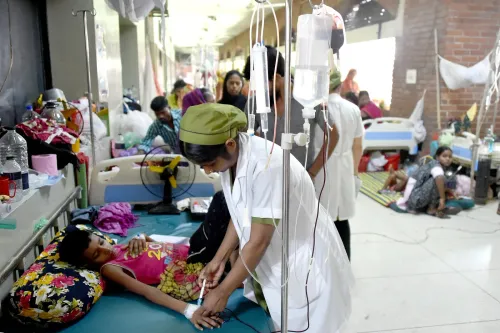
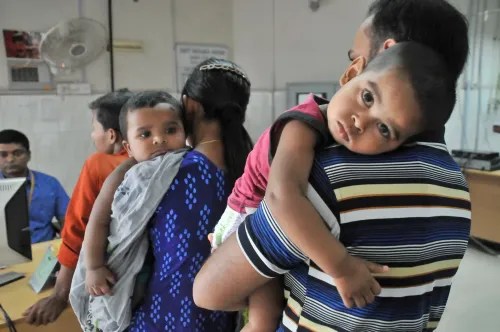
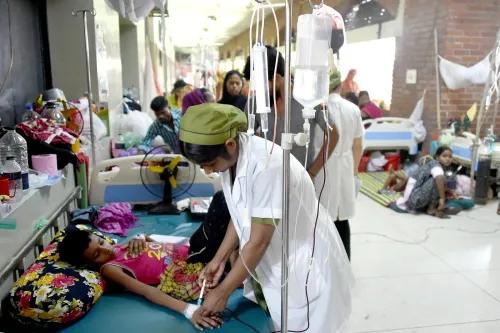
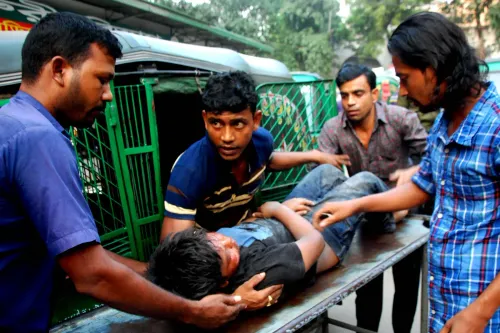
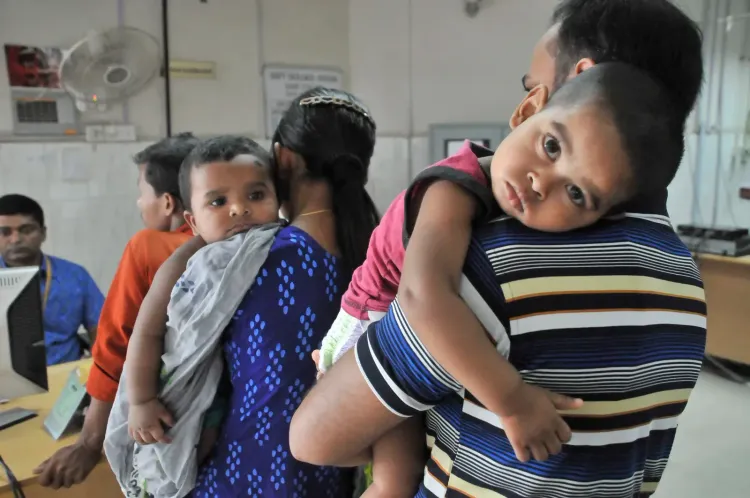
Even as measles admissions remain above 900 per day, Bangladesh's hospitals now face a second threat: a rising dengue caseload that health experts warn could tip an already strained system into crisis. Major public hospitals in Dhaka, which have historically absorbed large dengue patient volumes during past outbreaks, are reportedly still overwhelmed with measles cases.
The dengue situation deteriorated sharply in June, with infections and fatalities from that month alone accounting for 48 per cent of all dengue cases and 72 per cent of dengue deaths recorded so far this year, according to Bangladeshi newspaper The Daily Star. Experts caution that both figures could climb further during the peak monsoon months of July and August.
What Experts Are Saying
Fazle Rabbi Chowdhury, associate professor in the Department of Internal Medicine at Bangladesh Medical University (BMU), acknowledged that measles cases have begun to decline, but said the pace has been slower than anticipated.
"At the same time, the monsoon is creating ideal conditions for mosquito breeding, and dengue cases have already started rising. This will definitely put additional pressure on hospitals," Chowdhury was quoted as saying by The Daily Star.
Chowdhury and other health experts have called on Bangladeshi authorities to intensify larval control measures, expand temporary treatment facilities, and establish dedicated dengue units to manage the dual disease burden before it escalates into a broader public health emergency.
What Authorities Must Do Next
With the monsoon season at its peak, public health specialists are urging swift action on two fronts — sustaining the momentum of measles containment while pre-emptively scaling up dengue response infrastructure. The coming weeks will be critical in determining whether Bangladesh can prevent a compounding health crisis from taking hold.
Point of View
The system faces a compounding crisis that neither disease alone would necessarily cause. What is striking is that measles, a vaccine-preventable disease, has claimed nearly 800 lives in a country with an established immunisation programme, pointing to deep gaps in coverage and cold-chain infrastructure that the outbreak has exposed. The dual burden now demands a response that goes beyond reactive treatment — and the window to act before peak monsoon is narrowing fast.
NationPress
18 Oct 2026
Frequently Asked Questions
What is the current measles death toll in Bangladesh?
As of 8 am on 19 July, the total number of confirmed and suspected measles-linked deaths in Bangladesh stands at 788, with four new fatalities recorded in the preceding 24 hours. Of these, 95 deaths are laboratory-confirmed and 693 are classified as suspected measles fatalities.
How many measles cases have been reported in Bangladesh so far?
Bangladesh has recorded 117,648 suspected measles cases and 14,431 laboratory-confirmed infections as of 19 July. Since 15 March, over 100,137 patients have been hospitalised, of whom 96,521 have recovered according to DGHS data.
Why is the dengue situation worsening alongside the measles outbreak?
The monsoon season is creating ideal conditions for Aedes mosquito breeding, driving a rise in dengue infections. June alone accounted for 48% of all dengue cases and 72% of dengue deaths recorded in Bangladesh this year, according to The Daily Star. Health experts warn that a dengue surge could place additional pressure on hospitals already overwhelmed with measles patients.
What have health experts recommended to prevent a larger crisis?
Experts, including Fazle Rabbi Chowdhury of Bangladesh Medical University, have urged authorities to intensify larval control measures, expand temporary treatment facilities, and set up dedicated dengue units. They warn that without swift action, the dual disease burden could escalate into a broader public health emergency during the peak monsoon months of July and August.
Is the measles outbreak in Bangladesh showing signs of slowing down?
According to health experts, measles cases have begun to decline, but the pace is slower than expected. Hospitals are still recording more than 900 daily measles admissions, and the simultaneous rise in dengue cases means overall pressure on Bangladesh's healthcare system has not eased.