Bangladesh measles outbreak: Death toll hits 758 as five more children die
Synopsis
Bangladesh's measles outbreak has now claimed 758 lives — confirmed and suspected — with five more children dying in a single day. What makes this crisis particularly alarming is not just the scale of measles, but the looming dengue surge during peak monsoon, threatening to overwhelm a hospital system already admitting over 900 measles patients daily.
Key Takeaways
Five children died from measles-like symptoms in Bangladesh in the 24 hours ending 8 am, 12 July , raising the total death toll to 758 .
Of total fatalities, 664 are suspected and 94 are laboratory-confirmed measles deaths, per DGHS data.
Total suspected infections have reached 111,480 ; confirmed cases stand at 13,500 .
94,340 patients have been hospitalised since 15 March ; 90,605 have recovered.
Hospitals are admitting more than 900 measles patients daily, with a dengue surge in June accounting for 72% of dengue deaths this year adding further pressure.
Experts are calling for expanded temporary facilities, dedicated dengue units, and intensified larval control ahead of peak monsoon months.
At least five children died from measles-like symptoms in Bangladesh in the 24 hours ending 8 am on Sunday, 12 July, pushing the combined confirmed and suspected measles-related death toll to 758, according to data from the Directorate General of Health Services (DGHS). The outbreak, which has been escalating since mid-March, now shows 111,480 total suspected infections across the country.
Latest Case and Fatality Count
Of the 758 total deaths, 664 remain classified as suspected measles fatalities, while 94 have been laboratory-confirmed, according to DGHS figures. A further 879 new suspected cases were recorded in the same 24-hour window, alongside 90 newly confirmed infections — bringing laboratory-confirmed cases to 13,500.
Since the outbreak was first tracked from 15 March, a total of 94,340 patients with suspected measles have been hospitalised. Of those, 90,605 have recovered, health authorities said.
Hospitals Under Severe Strain
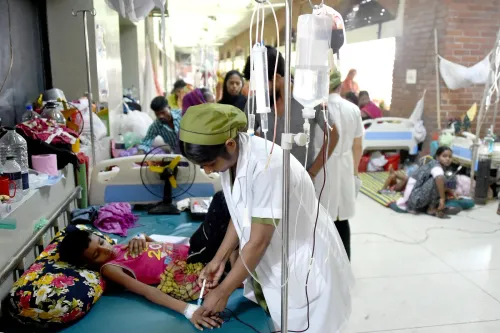
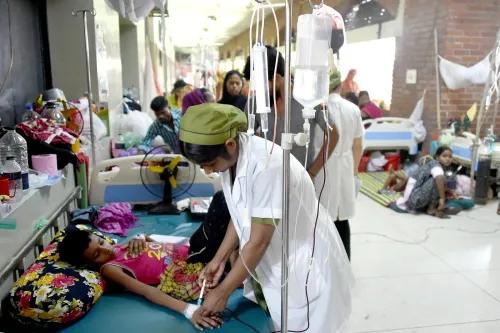
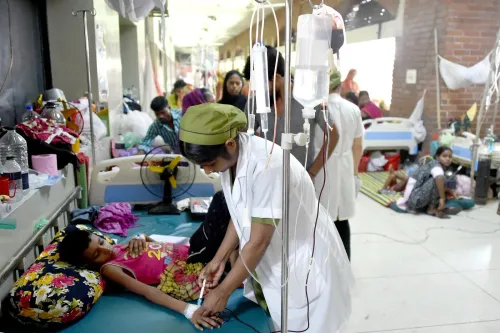
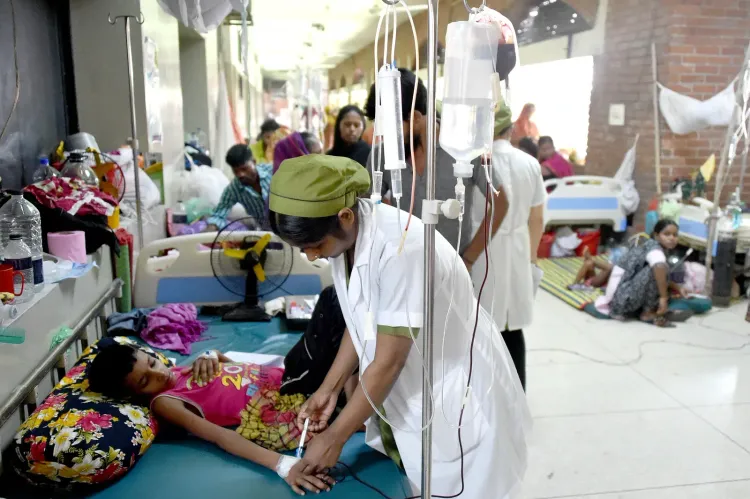
Hospitals across Bangladesh are currently admitting more than 900 measles patients daily, leaving the healthcare system severely stretched. Major public hospitals in Dhaka, which have historically borne the brunt of disease outbreaks, are reportedly overwhelmed. Health experts have cautioned that the situation could worsen significantly in the coming weeks.
Notably, this dual burden is not new — Bangladesh's public health infrastructure has repeatedly been tested by overlapping outbreaks of vector-borne and infectious diseases, particularly during the monsoon season.
Dengue Surge Compounds the Crisis
The threat of a simultaneous dengue surge is adding urgency to an already critical situation. According to reports citing The Daily Star, dengue infections deteriorated sharply in June, accounting for 48 per cent of all dengue cases and 72 per cent of dengue deaths recorded so far this year. Experts warn that the peak monsoon months of July and August could push both figures higher if authorities do not act swiftly to curb Aedes mosquito breeding.
Fazle Rabbi Chowdhury, associate professor in the Department of Internal Medicine at Bangladesh Medical University (BMU), noted that while measles cases have begun to decline, the pace is slower than anticipated. 'At the same time, the monsoon is creating ideal conditions for mosquito breeding, and dengue cases have already started rising. This will definitely put additional pressure on hospitals,' Chowdhury was quoted as saying.
What Experts Are Calling For
Chowdhury and other public health experts have urged Bangladeshi authorities to scale up larval control measures, expand temporary treatment facilities, and establish dedicated dengue units to manage the dual disease burden. Without these interventions, they warn, the country risks a compounded public health crisis during the most vulnerable months of the year.
With monsoon conditions expected to persist through August, how swiftly Bangladesh's health authorities can separate and manage these two concurrent outbreaks will be closely watched by regional health agencies.
Point of View
The system faces a compounding crisis that neither disease alone would have created. What is missing from the official response so far is a credible plan for managing dual-outbreak triage; the call for 'dedicated dengue units' from experts suggests that separation of patient flows has not yet happened at scale. Bangladesh has been here before with dengue-measles overlaps, and the outcomes have consistently been worse than single-outbreak years. Regional health bodies, including the WHO South-East Asia office, should be watching this closely.
NationPress
11 Oct 2026
Frequently Asked Questions
What is the current measles death toll in Bangladesh?
As of 12 July , the combined confirmed and suspected measles-related death toll in Bangladesh stands at 758 , according to the Directorate General of Health Services (DGHS). Of these, 94 are laboratory-confirmed deaths and 664 are suspected.
How many measles cases have been reported in Bangladesh?
Bangladesh has recorded 111,480 total suspected measles infections and 13,500 laboratory-confirmed cases. A total of 94,340 patients have been hospitalised since the outbreak was first tracked on 15 March.
Why is dengue making the Bangladesh measles crisis worse?
Dengue cases surged in June, accounting for 48% of all dengue infections and 72% of dengue deaths recorded this year, according to reports. With monsoon conditions peaking in July and August, experts warn the simultaneous burden of measles and dengue could overwhelm already strained hospitals.
What are health experts recommending to manage the dual outbreak?
Experts, including Fazle Rabbi Chowdhury of Bangladesh Medical University, are urging authorities to intensify larval control to curb Aedes mosquitoes, expand temporary treatment facilities, and set up dedicated dengue units to prevent the two outbreaks from compounding each other.
When did the Bangladesh measles outbreak begin?
Hospitalisation data has been tracked from 15 March , making the current outbreak several months old. The death toll and case count have continued to climb despite some signs that the rate of new measles infections is beginning to slow.