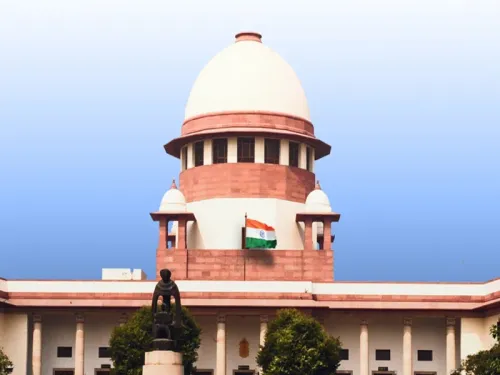
Delhi HC issues notice on PIL against HPV vaccine rollout for girls
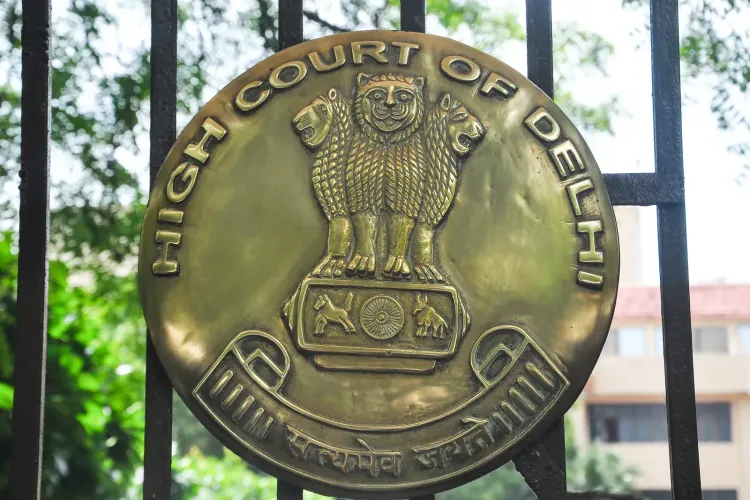
Synopsis
The Delhi High Court has agreed to scrutinise the Centre's HPV vaccination rollout for teenage girls — a programme that critics allege bypasses informed consent, relies on ASHA worker enrolment targets, and lacks credible safety data. With the court demanding adverse-event records by next week, the case could reshape how India administers vaccines under the Universal Immunisation Programme.
Key Takeaways
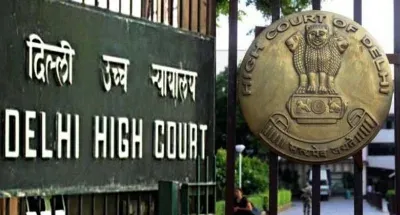
The Delhi High Court on 22 July issued notice on a PIL challenging the inclusion of the HPV vaccine (Gardasil) in the Universal Immunisation Programme .
A bench of Chief Justice Devendra Kumar Upadhyaya and Justice Tejas Karia directed the Union government to submit adverse-event data by next week.
The PIL alleges the vaccine is given to girls aged around 14 years without proper informed consent or parental approval, and that ASHA workers face enrolment targets.
The petition cites an alleged case of severe neurological symptoms in a 14-year-old girl from Tamil Nadu after vaccination in March 2025 , and similar incidents from Gwalior and Bihar .
It also references a reported Merck & Co. settlement of over $50 million in more than 200 lawsuits over Gardasil-linked health complications.
The petition invokes Articles 21 and 19 of the Constitution and the findings of the 72nd Parliamentary Standing Committee on Health (2013) .
The Delhi High Court on Wednesday, 22 July agreed to examine a Public Interest Litigation (PIL) challenging the Centre's inclusion of the Human Papillomavirus (HPV) vaccine under the Universal Immunisation Programme (UIP) for adolescent girls, issuing formal notice to the Union government and directing it to submit data on adverse events following HPV vaccination by next week.
What the Court Said
A Division Bench comprising Chief Justice Devendra Kumar Upadhyaya and Justice Tejas Karia observed that the issues raised in the petition are 'of a serious nature, particularly as they concern girl children.' The bench also asked Additional Solicitor General Chetan Sharma to assist the court. The Union government has been directed to place adverse-event data on record before the next hearing.
What the PIL Alleges
Filed through advocate Rohit Kumar, the petition challenges the inclusion of Gardasil — the HPV vaccine manufactured by Merck & Co. — in the UIP. It alleges that the vaccine is being administered to girls aged around 14 years in schools and public health facilities without proper informed consent or prior parental approval.
The plea further contends that frontline health workers, including ASHA workers, have been assigned enrolment targets, creating what the petition describes as undue pressure on young girls to receive the vaccine. 'The entire programme has been launched without any credible data with respect to the efficacy of the vaccine and the actual requirement of the population,' the plea stated.
Reported Adverse Events Cited
The petition references an alleged case involving a 14-year-old girl from Tamil Nadu who reportedly developed severe neurological symptoms — including loss of voice, paralysis-like weakness, inability to walk, and blurred vision — within days of receiving the HPV vaccine in March 2025. Similar incidents reportedly from Gwalior and Bihar were also cited to question the adequacy of the programme's safety monitoring mechanism.
The petition additionally refers to international litigation involving Gardasil, claiming that Merck & Co. announced a settlement exceeding $50 million in more than 200 lawsuits alleging serious health complications following vaccination — a claim the petition uses to raise concerns about the vaccine's long-term safety profile.
Constitutional and Scientific Arguments
The PIL invokes Articles 21 and 19 of the Constitution, arguing that compulsory vaccination violates the settled constitutional principles of bodily integrity, personal autonomy, and informed consent. It also references the findings of the 72nd Parliamentary Standing Committee on Health and Family Welfare (2013), which had flagged alleged irregularities in clinical trials of both Gardasil and Cervarix, including deviations from protocol and lapses in obtaining participants' consent.
On the scientific front, the petition contends that HPV infection is only one among several risk factors for cervical cancer and argues that the long-term effectiveness of HPV vaccines remains uncertain. It submits that regular cervical screening for women aged 30 to 65 years remains the most effective prevention strategy. This comes amid the Centre's broader push to eliminate cervical cancer, which kills an estimated 77,000 Indian women annually according to health ministry data.
What Happens Next
The Union government is expected to file its response — including adverse-event surveillance data — before the court's next sitting. The case will test how the judiciary weighs constitutional rights to bodily autonomy against the state's public health mandate under the UIP, a question with significant implications for India's immunisation policy going forward.
Point of View
But the petition's scientific framing deserves careful scrutiny. Several of its claims — including the assertion that HPV vaccine long-term effectiveness is uncertain — run counter to the World Health Organization's position and decades of global trial data. The 2013 Parliamentary Standing Committee findings it cites were contested at the time and predate substantial post-market safety evidence. That said, the consent and target-setting allegations are operationally serious: if ASHA workers are being pressured to meet enrolment quotas for a vaccine administered to minors, that is a governance failure independent of the vaccine's safety record. The court would do well to separate the two threads — constitutional process questions from contested scientific claims — rather than let the latter colour the former.
NationPress
22 Jul 2026
Frequently Asked Questions
What is the Delhi High Court HPV vaccine PIL about?
A PIL filed through advocate Rohit Kumar challenges the Centre's inclusion of the HPV vaccine Gardasil in the Universal Immunisation Programme for adolescent girls. It alleges the vaccine is administered to girls around 14 years of age without proper informed consent or parental approval, and questions the programme's safety monitoring.
What has the Delhi High Court directed the government to do?
The Division Bench of Chief Justice Devendra Kumar Upadhyaya and Justice Tejas Karia has directed the Union government to place on record data relating to adverse events following HPV vaccination by the next hearing date. Additional Solicitor General Chetan Sharma has been asked to assist the court.
What adverse events does the PIL cite?
The petition references an alleged case of a 14-year-old girl from Tamil Nadu who reportedly developed severe neurological symptoms — including loss of voice, paralysis-like weakness, inability to walk, and blurred vision — within days of receiving the HPV vaccine in March 2025. Similar reported incidents from Gwalior and Bihar are also cited.
Why does the PIL argue the HPV vaccination programme is unconstitutional?
The petition invokes Articles 21 and 19 of the Constitution, arguing that administering vaccines without informed consent or parental approval violates the constitutional principles of bodily integrity and personal autonomy. It also contends that assigning enrolment targets to ASHA workers creates undue pressure on young girls.
What is the significance of the 72nd Parliamentary Standing Committee report cited in the PIL?
The 2013 report of the Parliamentary Standing Committee on Health and Family Welfare had flagged alleged irregularities in clinical trials of both Gardasil and Cervarix in India, including deviations from protocol and lapses in obtaining participants' consent. The PIL uses these findings to argue that concerns about the vaccine's regulatory history are not new.