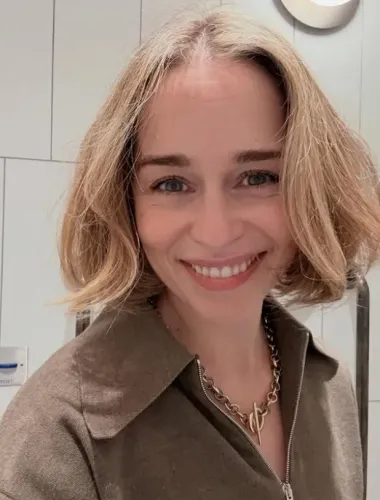
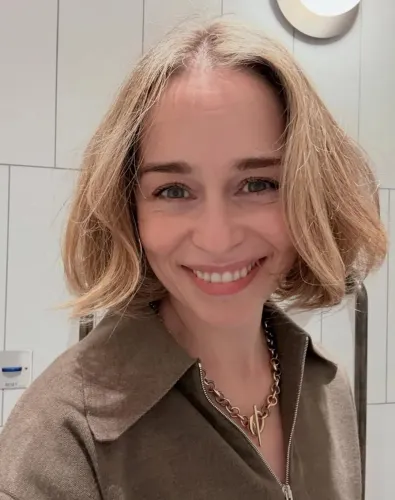
Emilia Clarke on brain aneurysm recovery: 'Falling off the edge of a cliff'
Synopsis
Emilia Clarke, who survived two brain aneurysms, says recovery feels like 'falling off the edge of a cliff' — and compares the current state of brain injury care to where cancer treatment stood a century ago: misunderstood, stigmatised, and chronically underfunded. Her call for systemic reform in aftercare puts a rarely-discussed health crisis in the spotlight.
Key Takeaways
Emilia Clarke survived brain aneurysms in 2011 and 2013 and has since become an advocate for brain injury survivors.
Speaking at Variety's Power of Women London , she said the recovery journey 'feels like falling off the edge of a cliff without anyone there to catch you.' Clarke says tens of thousands of survivors in her community report the same experience of inadequate post-acute care.
She criticised the shortage of neuropsychologists and specialist rehabilitation services, calling for a 'major shift in priorities.' Clarke compared the current understanding of brain injury to cancer care a century ago — 'misunderstood, stigmatised and hidden from view.' She noted that rehabilitation is typically 'measured in weeks rather than years,' leaving many survivors without long-term support.
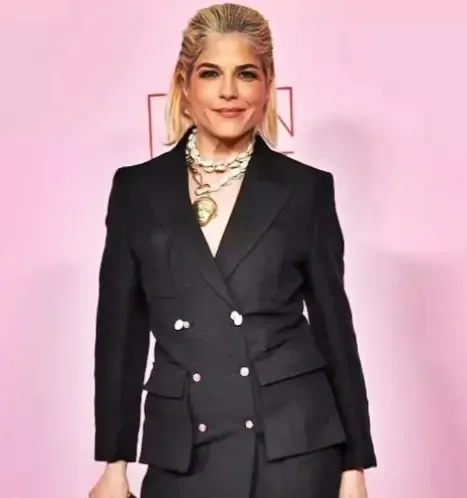
Actress Emilia Clarke, who survived two brain aneurysms in 2011 and 2013, has spoken candidly about the harrowing journey faced by survivors, warning that the current state of brain injury rehabilitation is deeply inadequate. Clarke made the remarks at Variety's Power of Women London event, drawing on her own experience and the stories of tens of thousands of survivors in her community.
The Recovery Gap Clarke Describes
Clarke, best known for her role in Game of Thrones, said that when she publicly shared her story in 2019, the response was overwhelming — predominantly from young people recounting their own ordeals. 'Today we have tens of thousands of survivors in our community saying essentially the same thing,' she said. 'The journey to healing feels like falling off the edge of a cliff without anyone there to catch you.'
She described a pattern in acute care where medical teams act swiftly to preserve life — stopping bleeding, removing clots, and discharging patients — but leave survivors without adequate support for what follows. 'Whatever symptoms remain — physical, cognitive, emotional, linguistic — the consequence is unresolved trauma,' Clarke said.
A System Stretched Too Thin
Clarke argued that there are simply too few neuropsychologists and specialist rehabilitation services to meet demand, and that a 'major shift in priorities' is needed before the situation can meaningfully change. She highlighted a particular challenge around perception: when survivors appear outwardly healthy, those around them — and eventually the survivors themselves — assume full recovery has occurred.
'When everyone around you thinks you look fine, they treat you as though you are. Eventually, you start believing you should be too,' she said. This disconnect, Clarke suggested, compounds the psychological toll of an already traumatic experience.
Comparing Brain Injury to Cancer a Century Ago
Clarke drew a stark historical parallel to make her point about how brain injuries are currently perceived. 'I often compare brain injury today to where cancer was a century ago: misunderstood, stigmatised and hidden from view,' she said. The analogy underscores her view that societal and medical attitudes have not kept pace with the scale of the problem.
She also criticised the short duration of available rehabilitation. 'When rehabilitation is available, it's usually measured in weeks rather than years and focused on only the most visible symptoms,' Clarke said, adding that 'brain injury recovery is still in its infancy, leading to lost potential, lost livelihoods and too many people falling through the cracks.'
What Needs to Change
Clarke's remarks at the Variety Power of Women London event signal a continued push for systemic reform in how brain injury aftercare is structured and funded. Her advocacy, rooted in personal experience across two separate aneurysm events, lends considerable weight to a cause that rarely commands mainstream attention. As the community she has helped build grows, pressure on health systems to extend rehabilitation timelines and specialist access is likely to intensify.
Point of View
Unlike cancer patients, often look fine to the outside world. Her cancer analogy is pointed: it took decades of public pressure and research investment to destigmatise and treat cancer effectively. Brain injury is arguably at a similar inflection point, and Clarke's growing survivor community gives the cause an organised constituency that policymakers will find harder to ignore.
NationPress
25 Sept 2026
Frequently Asked Questions
What brain injuries did Emilia Clarke suffer?
Emilia Clarke suffered two brain aneurysms — the first in 2011 and the second in 2013. She publicly disclosed her experience in 2019, describing the physical and emotional toll of her recovery.
What did Emilia Clarke say about brain injury recovery?
Clarke said the recovery journey 'feels like falling off the edge of a cliff without anyone there to catch you.' She described how survivors are often discharged after acute treatment without adequate support for the physical, cognitive, emotional, and linguistic symptoms that persist.
Why does Emilia Clarke compare brain injury to cancer?
Clarke argues that brain injury today is 'misunderstood, stigmatised and hidden from view' — much as cancer was a century ago. She uses the analogy to highlight how far medical attitudes and rehabilitation infrastructure still need to advance.
What changes is Emilia Clarke calling for?
Clarke is calling for more neuropsychologists, longer rehabilitation programmes measured in years rather than weeks, and a major shift in health system priorities to address the chronic shortage of specialist aftercare for brain injury survivors.
Where did Emilia Clarke make these remarks?
Clarke spoke at Variety's Power of Women London event, where she reflected on her own aneurysm history and the experiences shared by tens of thousands of survivors in her advocacy community.