Vande Bharat Express ferries second donor heart to Ahmedabad in 48 hours
Synopsis
In back-to-back operations within 48 hours, the Vande Bharat Express has twice served as a lifeline for donor heart transport in Gujarat — a quiet but historic shift in how India moves organs against the clock. With road corridors vulnerable to traffic and weather, high-speed rail may be about to reshape emergency organ logistics nationwide.
Key Takeaways
Indian Railways transported a donor heart by Vande Bharat Express for the second time in 48 hours on 2 August .
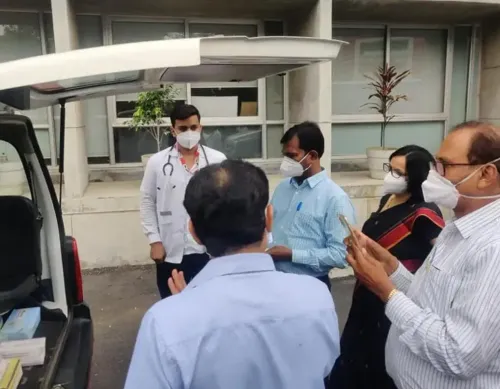
The organ was retrieved from Jayaben Modi Multi Speciality Hospital, Ankleshwar and destined for U.N.
Mehta Institute of Cardiology and Research Centre, Ahmedabad .
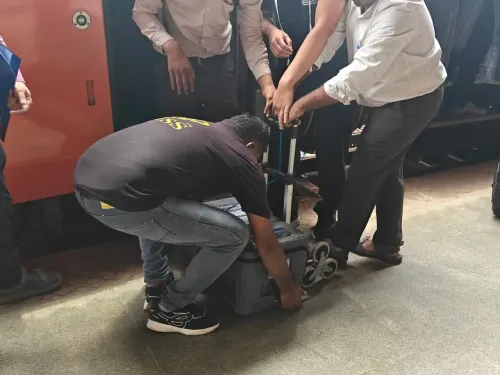
Ankleshwar railway station received a special halt for the first time to enable safe loading of the organ into Coach E-01 .
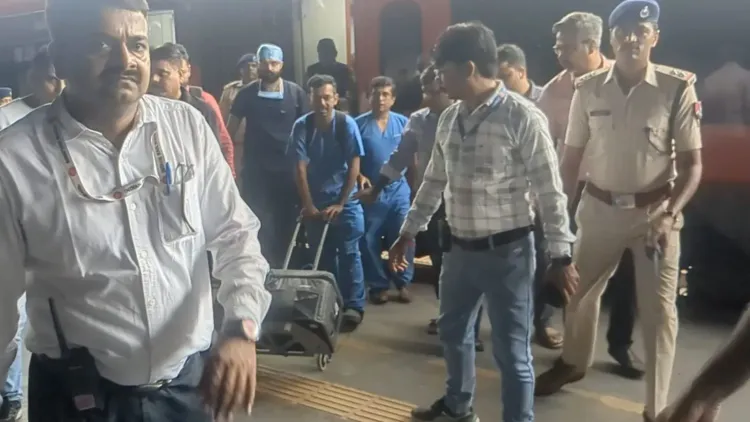
A green corridor was created by RPF and Gujarat Police from Platform 1, Ahmedabad to the hospital.
The first such operation — two days earlier from Surat — was described as the first-ever donor heart transport by train in India .
Western Railway said it will continue supporting similar humanitarian operations in the future.
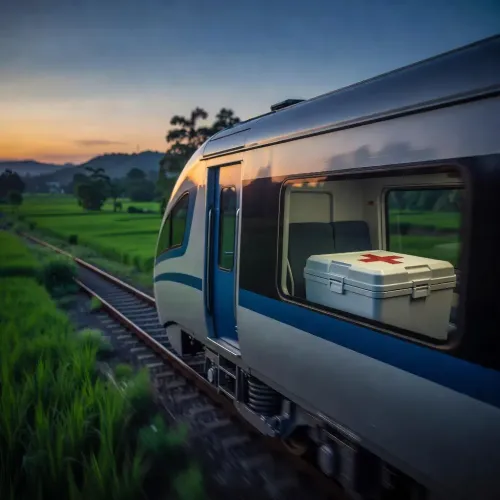
Indian Railways transported a donor heart aboard the Vande Bharat Express for the second time in 48 hours on 2 August, carrying the organ from Ankleshwar to Ahmedabad in a time-critical mission to support a heart transplant at the U.N. Mehta Institute of Cardiology and Research Centre. Officials said the back-to-back operations signal a new role for high-speed rail in emergency organ logistics.
How the Operation Unfolded
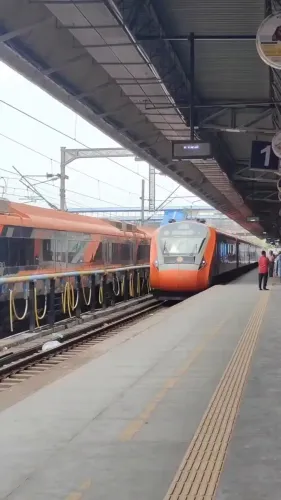
The donor heart was retrieved from Jayaben Modi Multi Speciality Hospital in Ankleshwar and loaded onto Train No. 20901, the Mumbai Central–Gandhinagar Capital Vande Bharat Express. In a first for the station, Ankleshwar railway station was granted a special halt to allow the organ to be placed safely into Coach E-01 without losing critical time.
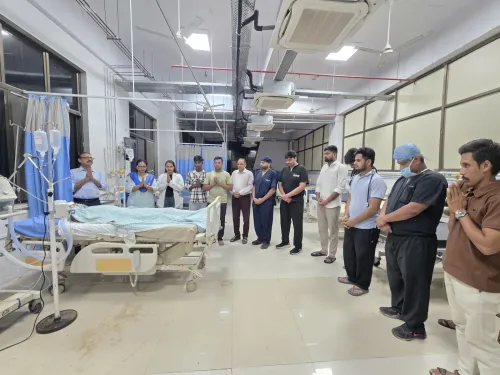
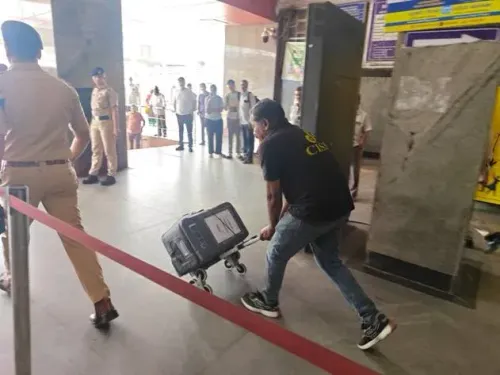
On arrival at Ahmedabad, railway commercial staff, the Railway Protection Force (RPF), and the Gujarat Police established a green corridor from Platform 1, enabling the heart to reach U.N. Mehta Hospital in the shortest possible time. The transplant was subsequently carried out by the specialist medical team at the institute, according to Western Railway.
The Landmark That Preceded It
Sunday's mission followed what railway and medical authorities described as the first-ever transport of a donor heart by train in India — completed just two days earlier, when a living heart was carried from Surat to Ahmedabad on the same Vande Bharat service. That operation was completed in roughly two hours despite heavy rain and flood-like conditions across parts of Gujarat, underscoring both the urgency and the logistical challenge involved.
Why Rail Is Emerging as a Lifeline for Organ Transport
Heart transplantation operates within a strictly limited viability window — donor organs must reach recipients within hours of retrieval. Road-based green corridors, long the standard in Indian cities, are vulnerable to traffic congestion and weather disruptions. The Vande Bharat Express, with its fixed schedule and high punctuality, offers a controlled alternative that rail authorities say can reduce the risk of delay-related organ loss.
Notably, this is only the second and third such operations ever attempted in India, making Gujarat a pioneer in rail-assisted organ logistics. Western Railway said it coordinated closely with hospitals, state police, medical teams, and railway officials to ensure Sunday's run was completed without incident.
What Railways and Officials Said
In an official statement, Indian Railways said it had 'once again demonstrated its commitment to serving humanity and saving lives by playing an important role in the rapid transportation of a living heart through the Vande Bharat Express.' Officials further noted that 'the successful movement of donor hearts on consecutive occasions shows that the railway's modern, high-speed and time-bound services are extending beyond passenger transport to support emergency medical care.' Western Railway added that it remained committed to providing every possible assistance for similar humanitarian and life-saving operations going forward.
What Comes Next
The consecutive successes are likely to prompt discussions within railway and health ministries about formalising protocols for organ transport on scheduled rail services across other high-density corridors in India. For now, the Mumbai Central–Gandhinagar Capital Vande Bharat Express has established itself as an unlikely but critical link in Gujarat's transplant chain.
Point of View
While scheduled rail offers a more predictable window. The real question is whether the health and railway ministries will move quickly to formalise this into a nationwide framework, or allow it to remain an ad hoc Gujarat experiment. With India's organ transplant waitlists running into tens of thousands, the cost of delay is measured in lives.
NationPress
2 Aug 2026
Frequently Asked Questions
What happened with the Vande Bharat Express donor heart transport on 2 August?
On 2 August, Indian Railways transported a donor heart from Ankleshwar to Ahmedabad aboard the Mumbai Central–Gandhinagar Capital Vande Bharat Express (Train No. 20901). The organ was retrieved from Jayaben Modi Multi Speciality Hospital and taken to U.N. Mehta Institute of Cardiology and Research Centre for transplantation.
Was this the first time a donor heart was transported by train in India?
No — the first such operation took place just two days earlier, when a donor heart was carried from Surat to Ahmedabad on the same Vande Bharat service. That mission was described by railway and medical authorities as the first-ever donor heart transport by train in India. The 2 August operation was the second.
Why was a special halt given at Ankleshwar station?
Ankleshwar railway station was granted a special halt for the first time specifically to allow the donor heart to be loaded safely into Coach E-01 of the Vande Bharat Express without any delay, given the time-critical nature of organ viability.
How did authorities ensure the heart reached the hospital quickly after the train arrived?
Railway commercial staff, the Railway Protection Force (RPF), and the Gujarat Police jointly established a green corridor from Platform 1 at Ahmedabad station to U.N. Mehta Hospital, ensuring the organ was transferred in the shortest possible time after the train arrived.
Why is rail being used for organ transport instead of road?
Heart transplants require donor organs to reach recipients within a strictly limited time window. Road-based green corridors can be disrupted by traffic and weather — as seen during heavy rains in Gujarat around the same period. The Vande Bharat Express offers a fixed, high-speed, punctual alternative that reduces the risk of delays affecting transplant outcomes.