WHO: DR Congo Ebola outbreak 'concerning' as violence kills 66, disrupts response
Synopsis
Six months in, the DRC Ebola crisis is the worst in the country's history — 11,114 confirmed cases, nearly 5,500 dead, and a 48.9% fatality rate. But the numbers are only part of the story: an armed attack on 5 November killed 66 people and left over 1,000 Ebola contacts untraceable, turning a medical crisis into a security emergency the WHO says it cannot solve with medicine alone.
Key Takeaways
The DRC Ebola outbreak has recorded 11,114 confirmed cases and 5,433 deaths as of Tuesday, with a fatality rate of 48.9% .
The WHO is reporting 400 to 500 new Ebola cases every week , with transmission spreading to new areas.
An armed attack on 5 November in Cantine-Aloya, North Kivu killed 66 civilians including 3 health workers , and left 1,000+ contacts lost to follow-up .
The WHO has verified 81 attacks on healthcare since the outbreak began in May .
Children account for over a quarter of confirmed cases and roughly a third of deaths .
Diagnostic capacity has expanded to 24+ labs processing 600+ samples daily ; clinical trials are running on two Bundibugyo-specific vaccine candidates .
The World Health Organisation (WHO) on Thursday, 12 November 2026 warned that the Ebola outbreak in the Democratic Republic of the Congo (DRC) remains deeply concerning, with 400 to 500 new cases reported every week and escalating armed violence threatening to undo six months of hard-won containment progress.
Scale of the Outbreak
Now nearly six months since it was first declared, the current DRC Ebola crisis has become the largest in the country's history and the second-largest ever recorded worldwide. According to the latest situation report from the DRC's health authorities, the country had logged 11,114 confirmed cases, including 5,433 deaths, as of Tuesday, with a case fatality rate of 48.9%.
Marie Roseline Belizaire, WHO's regional emergency director for Africa, told an online press briefing that transmission continues to spread into new areas despite declines in some of the original epicentres. 'The overall picture remains concerning,' she said, noting that children account for more than a quarter of confirmed cases and roughly a third of all deaths.
Violence Crippling the Health Response
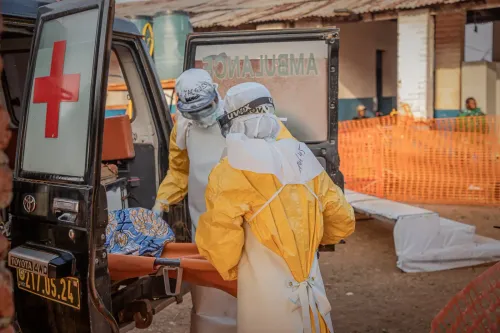
Armed conflict has emerged as one of the gravest threats to containment efforts. The WHO has verified 81 attacks on healthcare workers and facilities since the epidemic began in May. The deadliest recent incident occurred on 5 November in Cantine-Aloya, in the Beni territory of North Kivu Province in eastern DRC, where an armed attack killed 66 civilians, including three health workers, and saw three health facilities looted and burned.
The attack directly disrupted Ebola response operations, leaving more than 1,000 contacts lost to follow-up and three confirmed patients unaccounted for — a development that significantly raises the risk of further community spread. Belizaire issued an urgent appeal: 'We need an urgent halt in hostilities and violence. Health workers and humanitarian teams must be able to reach affected communities safely, and patients must be able to seek care without fear.'
Displacement and Mobility Accelerating Spread
Beyond direct attacks, Belizaire warned that displacement, worsening humanitarian conditions, and high population mobility are making affected communities increasingly difficult to reach. Major transport corridors — including the Congo River — are serving as pathways for further transmission as people flee the violence.
'Too many people are still not being reached quickly enough,' she said, warning that continued insecurity risks reversing progress achieved over six months of concerted response.
Response Capacity and Research Progress
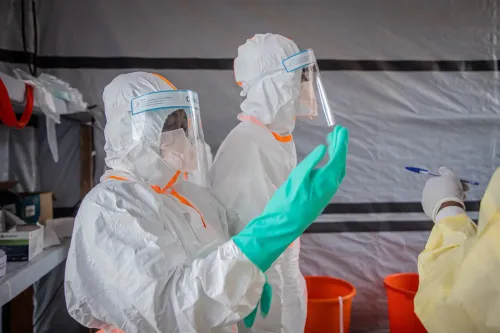
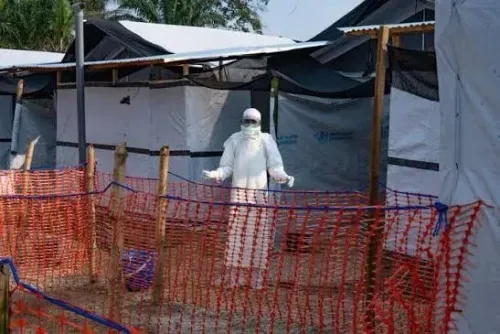
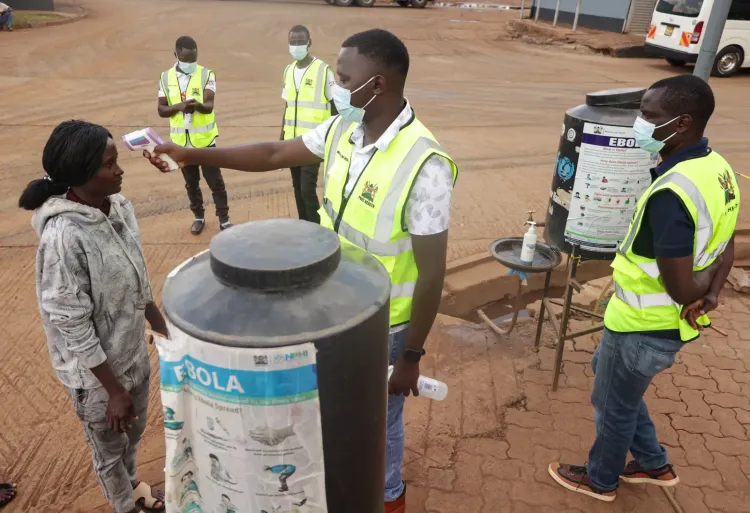
The WHO reported significant scale-up in medical infrastructure. Diagnostic capacity has grown from just two laboratories at the outset to more than two dozen, now capable of processing over 600 samples daily. Approximately 2,000 beds are available across 109 transit and treatment centres. Clinical trials are also underway for two vaccine candidates specifically targeting the Bundibugyo Ebola virus responsible for the current outbreak.
However, Belizaire was unambiguous that infrastructure alone is insufficient. 'We have the tools and the expertise, but they cannot stop transmission if people cannot access them or do not trust the response,' she said. Greater community trust and unimpeded access to treatment remain critical missing links.
What Comes Next
'Six months into this outbreak, important progress has been made, but the continuing loss of life and spread to new areas show that much more needs to be done,' Belizaire said. International observers and humanitarian organisations are watching whether a de-escalation of armed hostilities — which the WHO has explicitly called for — can be secured in time to prevent another surge.
Point of View
000 contact-tracing records overnight, the WHO's tools are being systematically neutralised. The 48.9% case fatality rate — catastrophically high even by Ebola standards — reflects not just the virus's lethality but the near-total breakdown of timely access to care. What mainstream coverage often undersells is the displacement multiplier: as people flee violence along the Congo River corridor, they carry the virus to communities the response network has yet to reach. Unless the international community ties any ceasefire diplomacy to explicit health-access guarantees, the outbreak's geographic spread will continue to outpace the response.
NationPress
12 Nov 2026
Frequently Asked Questions
How bad is the DR Congo Ebola outbreak in November 2026?
As of Tuesday, 12 November 2026, the DRC had recorded 11,114 confirmed Ebola cases and 5,433 deaths, with a case fatality rate of 48.9%. The WHO describes it as the largest Ebola outbreak in DRC's history and the second-largest ever recorded globally.
Why is violence making the DRC Ebola outbreak worse?
Armed attacks have directly disrupted Ebola response operations. The WHO has verified 81 attacks on healthcare since the outbreak began in May 2026. A single attack on 5 November in Cantine-Aloya killed 66 people and left over 1,000 Ebola contacts lost to follow-up, significantly raising the risk of undetected transmission.
What is the Bundibugyo Ebola virus and why does it matter?
The Bundibugyo Ebola virus is the specific strain responsible for the current DRC outbreak. It is distinct from the more commonly known Zaire strain, and existing vaccines were not originally designed for it. The WHO has indicated that clinical trials of two vaccine candidates specifically targeting this strain are now underway.
Who is most affected by the DRC Ebola outbreak?
Children are disproportionately impacted, accounting for more than a quarter of all confirmed cases and roughly a third of all deaths, according to WHO regional emergency director Marie Roseline Belizaire. Communities in eastern DRC, particularly in North Kivu Province, bear the heaviest burden.
What is the WHO calling for to contain the DRC Ebola outbreak?
The WHO has issued an urgent call for a halt to hostilities in eastern DRC, stating that health workers and humanitarian teams must be able to operate safely and that patients must be able to seek care without fear. It also stresses the need for greater community trust alongside the already-expanded medical infrastructure.