14 US senators urge Trump to bar Putin from G20 Miami summit
Synopsis
A rare bipartisan bloc of 14 US senators — seven Republicans including Mitch McConnell, seven Democrats — has publicly demanded Trump rescind Putin's invite to the Miami G20 summit in December, warning that hosting the Russian president on American soil while the Ukraine war rages would normalise a government they say attacks civilian targets daily. The letter also flags Russian delegations already attending earlier G20 meetings in the US, raising the pressure significantly.
Key Takeaways
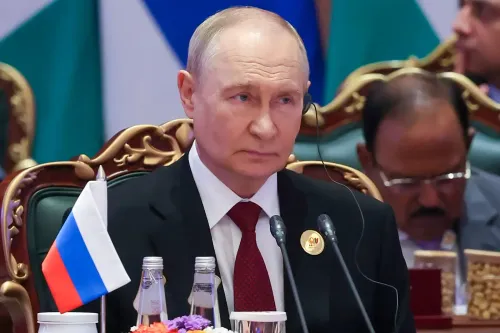
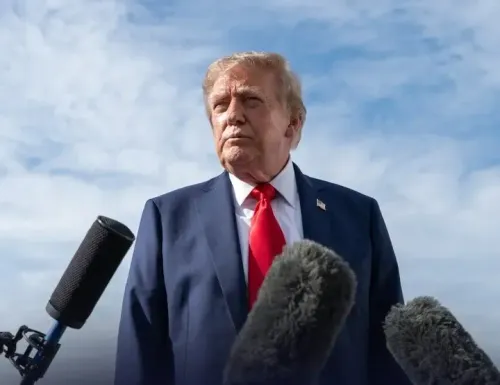
14 bipartisan US senators — 7 Republicans and 7 Democrats — have written to President Donald Trump urging him to bar Vladimir Putin from the G20 Leaders' Summit in Miami .
The summit is scheduled for 14–15 December ; the United States holds the G20 presidency this year.
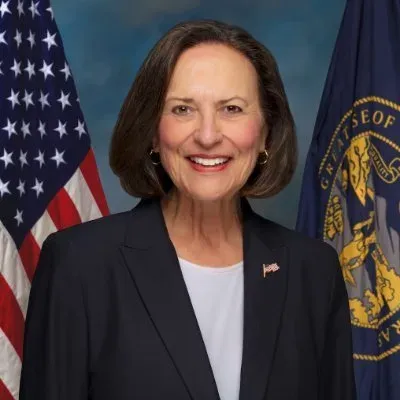
The letter was led by Senator Jeanne Shaheen , senior Democrat on the Senate Foreign Relations Committee , with Republican co-signatories including Mitch McConnell .
Senators cited Russia's ongoing attacks on Ukrainian civilians, alleged assistance to Iran targeting US personnel, and escalating hybrid warfare in Europe.
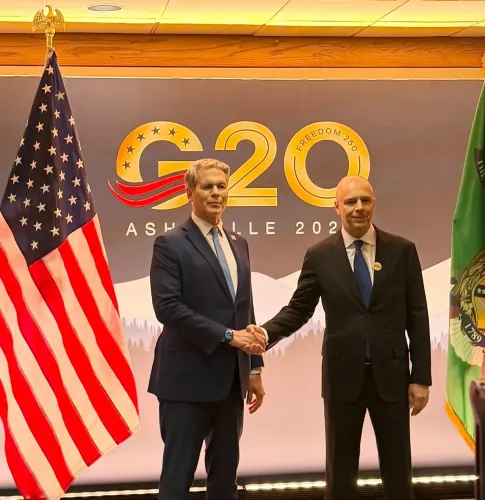
Both Putin and Russian Finance Minister Anton Siluanov are under US sanctions; senators also flagged Russian delegations already attending G20 ministerials in Asheville , Chapel Hill , and Houston .
Senators welcomed Trump's signing of the Lindsey O.
Graham Sanctioning Russia and Iran Act of 2026 and demanded Russia be excluded from all remaining G20 events until a peace settlement is reached.
A bipartisan group of 14 US senators has formally urged President Donald Trump to rescind an invitation extended to Russian President Vladimir Putin to attend the G20 Leaders' Summit in Miami, scheduled for 14–15 December. The senators argue that allowing Putin to participate on American soil would legitimise Moscow at a time when Russian forces continue daily attacks on Ukrainian civilian infrastructure.
Who Signed the Letter
The letter was led by Senator Jeanne Shaheen, the senior Democrat on the Senate Foreign Relations Committee, and drew signatures from seven Republicans and seven Democrats — a rare show of cross-party alignment on Russia policy. Republican signatories included Mitch McConnell, John Cornyn, Roger Wicker, Jerry Moran, Thom Tillis, John Curtis, and Alan Armstrong. Democrats included Shaheen, Sheldon Whitehouse, Michael Bennet, Chris Coons, Richard Blumenthal, Tim Kaine, and Ruben Gallego.
Key Arguments in the Letter
'President Putin bears sole responsibility for launching Russia's full-scale war of aggression against Ukraine,' the senators wrote. They warned that hosting him at a G20 summit risks 'legitimizing and normalizing a government that continues to attack Ukrainian civilian targets every day.'
The letter also cited reports that Russia has been assisting Iran's military in targeting American service members in the Middle East, and accused Moscow of escalating hybrid warfare activities across Europe. Notably, the senators expressed prior disappointment over Russian delegations already participating in several G20 ministerial meetings held in the United States — including the G20 Finance Ministerial in Asheville, North Carolina, the Innovation Ministerial in Chapel Hill, and the Energy Abundance Ministerial in Houston.
Sanctions and Legal Tools
The senators noted that both Putin and Russian Finance Minister Anton Siluanov are subject to US sanctions under an executive order covering conduct deemed harmful to American national security. The letter welcomed Trump's signing of the Lindsey O. Graham Sanctioning Russia and Iran Act of 2026, describing the law as giving the administration additional leverage to pressure the Kremlin. 'The United States must put strong economic and political pressure on President Putin in order to force him to the negotiating table for serious peace talks,' they wrote.
Demands and the Road Ahead
The senators specifically asked Trump to block sanctioned Russian officials from the upcoming G20 Trade Ministerial, the Foreign Ministers' Meeting, and the Miami leaders' summit until Russia accepts a peace settlement. They argued that extending routine diplomatic courtesies to Moscow while the war continues undermines the forum's stated purpose of promoting trade, finance, and economic stability.
The appeal places Trump in a politically delicate position, facing pressure from senior members of his own party — including figures with significant influence over foreign policy, defence, and appropriations — alongside Democrats. The United States holds the G20 presidency this year, and the Miami summit in December is expected to draw leaders from the bloc's major developed and emerging economies, including India, China, and the European Union. Whether Trump acts on the senators' demands will likely shape the diplomatic tone of the final summit.
Point of View
From Asheville to Houston, with little public outcry until now. The senators are not just pressuring Trump on Miami; they are retroactively registering dissent over a pattern of access that contradicts stated US sanctions policy. Whether Trump responds or dismisses the appeal will be an early indicator of how much restraint the bipartisan foreign-policy establishment can actually impose on his Russia diplomacy heading into the December summit.
NationPress
26 Sept 2026
Frequently Asked Questions
Why are US senators calling for Putin to be barred from the G20 Miami summit?
A bipartisan group of 14 senators argues that allowing Putin to attend the G20 Leaders' Summit in Miami on 14–15 December would legitimise Russia's government while it continues its war against Ukraine, daily attacks on Ukrainian civilians, and alleged support for Iran in targeting US personnel. They say sanctioned officials should not receive routine diplomatic treatment at an international cooperation forum.
Which senators signed the letter urging Trump to withdraw Putin's G20 invitation?
The letter was led by Senator Jeanne Shaheen and signed by seven Republicans — Mitch McConnell, John Cornyn, Roger Wicker, Jerry Moran, Thom Tillis, John Curtis, and Alan Armstrong — and six other Democrats including Sheldon Whitehouse, Michael Bennet, Chris Coons, Richard Blumenthal, Tim Kaine, and Ruben Gallego.
When and where is the G20 Leaders' Summit 2026 being held?
The G20 Leaders' Summit is scheduled for 14–15 December 2026 in Miami. The United States holds the G20 presidency this year and is hosting the summit as well as a series of ministerial meetings across the country.
Are Putin and Russian officials currently under US sanctions?
Yes. Both President Vladimir Putin and Russian Finance Minister Anton Siluanov are under US sanctions imposed via an executive order covering conduct deemed harmful to American national security. The senators argue that extending G20 participation to sanctioned officials contradicts this sanctions framework.
Have Russian officials already attended any G20 events in the United States?
Yes. According to the senators' letter, a Russian delegation led by Finance Minister Anton Siluanov attended the G20 Finance Ministerial in Asheville, North Carolina. Russian officials also participated in the Innovation Ministerial in Chapel Hill and the Energy Abundance Ministerial in Houston — participation the senators described as already disappointing before the Miami summit debate arose.