McConnell, Cornyn among 12 senators urging Trump to scrap Russian diesel deal
Synopsis
Bipartisan cracks are widening in the US Senate over Trump's Russian diesel deal — and the signatories now include Mitch McConnell and John Cornyn, Republicans who sat out an earlier protest letter just days ago. With a potential Graham Act sanctions deadline on 18 October and China explicitly named as Russia's 'chief enabler', the pressure on the White House is compounding fast.
Key Takeaways
12 US senators — from both parties — urged President Trump to rescind the Russian diesel deal in a letter dated 13 October 2026 .
The letter targets Treasury Department General License No.
135 , which senators say lifts sanctions on Russia's diesel exports.
New Republican signatories include former Senate leader Mitch McConnell , John Cornyn , and Alan Armstrong , who were absent from an earlier Sunday protest letter signed by seven senators.
Senators urged Trump to invoke the Lindsey O.
Graham Sanctioning Russia and Iran Act of 2026 , signed in September , to pressure Russia and China .
The first duties under Section 113 of the Graham Act can take effect from 18 October 2026 ; India's status — waiver or subject to duties — remains unconfirmed.
Trump defended the deal as one 'for the world' that 'brought down prices,' saying on the South Lawn: 'That's a diesel deal, not for us.'
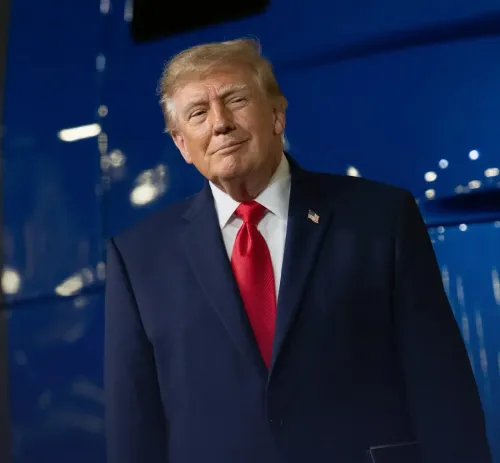
Twelve US senators, including former Republican leader Mitch McConnell and Senate India Caucus co-chair John Cornyn, on Tuesday, 13 October 2026, formally urged President Donald Trump to rescind his recently announced Russian diesel deal and deploy new sanctions powers against Moscow's 'chief enablers' — explicitly naming China. The bipartisan letter marks a significant broadening of congressional opposition to the agreement Trump announced just four days earlier.
What the Letter Says
'This deal is a gift to our adversary and a betrayal of our Allies; it should be rescinded,' the senators wrote directly to Trump. The letter specifically targets Treasury Department General License No. 135, which the senators said 'lifts sanctions on Russia's diesel exports,' arguing the move 'damages American security interests and is a betrayal of the people of Ukraine, who continue to defend themselves from Putin's murderous, illegal war.'
The senators called on Trump to instead invoke the Lindsey O. Graham Sanctioning Russia and Iran Act of 2026, which he signed in September 2026. 'These authorities require you to apply economic pressure on Russia and the chief enablers of its war, in particular China, and thereby enhance your negotiating position to bring a swift end to this ruinous conflict,' they wrote. Notably, the letter does not mention India.
Who Signed the Letter
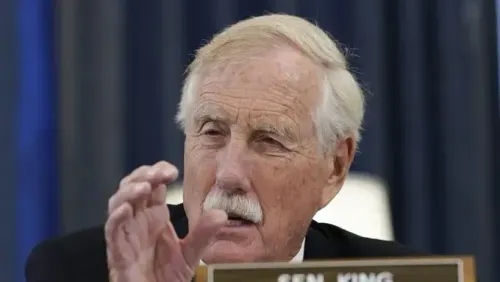
The letter carries signatures from both parties, underscoring the depth of unease on Capitol Hill. Democrats who signed include Dick Durbin, Richard Blumenthal, Jeanne Shaheen, Sheldon Whitehouse, Jack Reed, and Chris Coons. On the Republican side: Thom Tillis, Susan Collins, Alan Armstrong, Lisa Murkowski, McConnell, and Cornyn.
This represents a widening of opposition from a previous letter on Sunday, when seven senators led by Senate Foreign Relations Committee ranking member Shaheen had urged a reversal. McConnell, Cornyn, and Armstrong were not among that earlier group, making Tuesday's letter a meaningful escalation.
Trump Defends the Deal
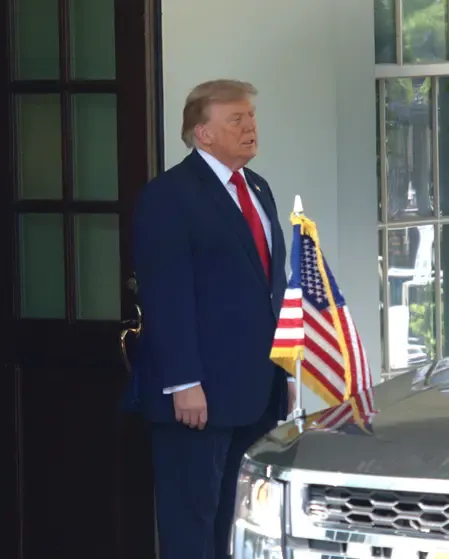
Trump pushed back on the criticism on Tuesday as he departed the White House for Alaska. 'It's a deal for the world. It's not a deal for us. It's a way of getting a lot of oil out to the world. It's not a deal with me. It's a deal for the world, and it brought down prices,' Trump told reporters on the South Lawn, according to a pool report.
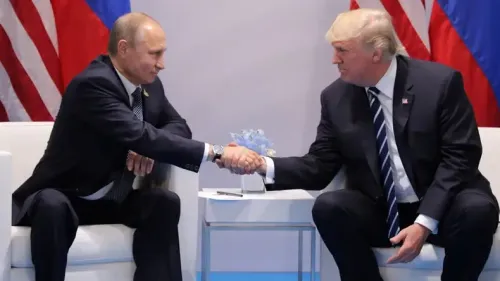
When asked whether Russia would use diesel revenue to purchase weapons, Trump replied: 'Nobody told me anything. That's a diesel deal, not for us.' The president announced the deal with Russian President Vladimir Putin on 9 October 2026. Congress had banned Russian energy imports into the US in 2022.
Energy Costs and the Graham Act
The senators acknowledged 'the urgent need to lower energy costs for American families' in the context of ongoing conflict with Iran, but argued the deal 'will have a negligible impact on fuel prices' — directly undercutting the administration's primary rationale. They concluded bluntly: 'Putin is a tyrant. Withdraw from this agreement, rescind General License No. 135, and execute the authorities provided under the Lindsey O. Graham Sanctioning Russia and Iran Act of 2026.'
The Graham Act grants the President authority to impose duties of up to 100 per cent on goods from countries that rank among the largest buyers of Russian crude oil and continue making new purchases. The first duties under Section 113 can take effect as early as 18 October 2026. The administration has not yet clarified whether India will be subject to these duties or whether Trump intends to issue a waiver.
What Comes Next
With bipartisan Senate pressure mounting and a potential sanctions deadline on 18 October, the White House faces a narrowing window to either defend the diesel deal or offer a political off-ramp. The question of whether India — a major buyer of Russian crude — will receive a waiver under the Graham Act remains unanswered, adding a significant dimension for New Delhi to monitor closely.
Point of View
And their names signal that Republican unease with the diesel deal is structural, not fringe. Trump's defence — 'it's a deal for the world' — dodges the central charge that diesel revenue flows directly to a war economy. What mainstream coverage risks underplaying is the India angle: the Graham Act's 18 October deadline forces a binary choice the administration has so far refused to make publicly. New Delhi will be watching closely whether Washington's posture on Russia translates into economic pressure on its own strategic partner.
NationPress
14 Oct 2026
Frequently Asked Questions
What is the Russian diesel deal that US senators want Trump to rescind?
It is an agreement announced by President Trump on 9 October 2026 involving Treasury Department General License No. 135, which senators say lifts existing US sanctions on Russia's diesel exports. Critics argue it frees Moscow to sell diesel freely in global markets, generating revenue that could fund its war in Ukraine.
Who signed the letter urging Trump to withdraw from the diesel deal?
Twelve senators signed the letter: Republicans Mitch McConnell, John Cornyn, Thom Tillis, Susan Collins, Alan Armstrong, and Lisa Murkowski, and Democrats Dick Durbin, Richard Blumenthal, Jeanne Shaheen, Sheldon Whitehouse, Jack Reed, and Chris Coons.
What is the Lindsey O. Graham Sanctioning Russia and Iran Act of 2026?
It is a law signed by Trump in September 2026 that authorises the President to impose duties of up to 100 per cent on goods from countries that are among the largest buyers of Russian crude oil and continue making new purchases. The first duties under Section 113 can take effect from 18 October 2026.
Does the senators' letter affect India?
The letter does not mention India. However, the broader Graham Act sanctions framework could affect India if the administration decides to apply duties to large Russian crude buyers. The administration has not yet stated whether India will face duties or receive a waiver.
How did Trump respond to calls to rescind the deal?
Trump defended the deal on Tuesday, telling reporters on the South Lawn: 'It's a deal for the world...it brought down prices.' When asked if Russia would use diesel revenue for weapons, he said: 'Nobody told me anything. That's a diesel deal, not for us.'