19 US lawmakers warn China may reshape Wi-Fi spectrum rules at WRC-27
Synopsis
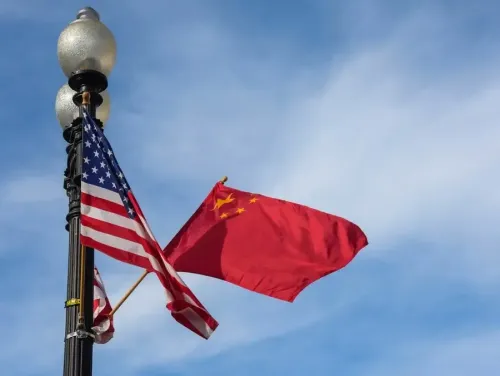
Nineteen US lawmakers — in a rare bipartisan move — have put the Trump administration on notice over China's push to reshape global Wi-Fi and 6G spectrum rules at the 2027 World Radiocommunication Conference in Shanghai. With nearly 90% of US smartphone data running over Wi-Fi, the 6 GHz spectrum fight is no longer just a technical dispute — it is a front line in the broader US-China technology war.
Key Takeaways
19 bipartisan US lawmakers sent a letter on 29 July urging the Trump administration to prepare a unified strategy for WRC-27 in Shanghai .
The letter was addressed to the State Department , Commerce Department , and FCC Chairman Brendan Carr .
Central concern is preserving unlicensed access to the 6 GHz spectrum band , critical for next-generation Wi-Fi and 6G.
Almost 90% of US smartphone data travels over Wi-Fi, making spectrum access a national competitiveness issue.
Lawmakers flagged Mexico and Brazil as nations requiring targeted diplomacy after showing prior alignment with China on 6 GHz issues.
A written government response has been requested by 22 August .
A bipartisan group of 19 US lawmakers has urged the Trump administration to sharpen its strategy ahead of the 2027 World Radiocommunication Conference (WRC-27) in Shanghai, warning that China could exploit the global forum to redraw international spectrum rules governing Wi-Fi, 6G, and next-generation satellite systems. The letter, sent on 29 July, was addressed to the State Department, the Commerce Department, and the Federal Communications Commission (FCC).
Key Developments
Representatives April McClain Delaney and Jay Obernolte led the congressional letter, which was also signed by Congressman Raja Krishnamoorthi and Representatives Don Bacon, Kathy Castor, Debbie Dingell, Sarah Elfreth, Josh Gottheimer, Chrissy Houlahan, and Darin LaHood, among others. The letter was directed to Under Secretary of State for Economic Affairs Jacob Helberg, National Telecommunications and Information Administration chief Arielle Roth, and FCC Chairman Brendan Carr.
The lawmakers called for a unified US position and tighter coordination with allied nations, warning that fragmented federal preparations could cede ground to Beijing at a conference that sets binding international spectrum frameworks for years to come.
The 6 GHz Spectrum Battle
At the heart of the letter is the fate of the 6 GHz spectrum band, which the lawmakers described as essential for Wi-Fi capacity, innovation, and US technological competitiveness. They noted that almost 90 per cent of smartphone data usage in the United States travels over Wi-Fi, depending on the operator, underscoring how critical adequate unlicensed spectrum capacity is to keeping pace with surging demand.
The lawmakers accused China and aligned stakeholders of actively promoting exclusive licensed approaches in the upper 6 GHz band — a move they said could undermine international momentum for unlicensed use and erode US influence over the global connectivity sector. This concern is not new: the 6 GHz debate has been a recurring flashpoint at ITU-level negotiations, with the US and European nations historically favouring unlicensed access while China has pushed for licensed allocations that favour state-backed operators.
What the Lawmakers Are Asking
The letter requested that the three agencies explain how WRC-27 preparations are being coordinated at senior levels, including details on staffing, resources, and the selection of a US ambassador for the conference. The lawmakers also asked the administration to outline a coalition-building strategy with like-minded countries, specifically flagging Mexico and Brazil as nations that had previously shown some alignment with China on 6 GHz issues and therefore require targeted diplomatic engagement.
A written response has been requested by 22 August.
Industry Reaction
NCTA — The Internet & Television Association welcomed the congressional initiative, stating that continued access to the full 6 GHz band was important for next-generation Wi-Fi, consumers, and businesses. The industry body's backing signals broad private-sector alignment with the lawmakers' concerns.
Why WRC-27 Matters
The World Radiocommunication Conference is convened by the International Telecommunication Union (ITU) and sets binding international spectrum allocations that shape how governments and industries deploy wireless technologies globally. Decisions taken in Shanghai in 2027 will influence the rollout of 6G networks, advanced satellite systems, and the next generation of Wi-Fi well into the 2030s. This comes amid a broader US-China technology rivalry in which spectrum policy has emerged as a less-visible but consequential battleground.
'As other nations, including the People's Republic of China, work to shape global spectrum policy, the United States must lead — not react,' McClain Delaney said. She added that 'strong coordination across our federal agencies and close collaboration with our allies are essential to protecting American innovation, strengthening our economic competitiveness, and ensuring the technologies that power our homes, businesses, and communities continue to be built on US leadership.'
With the conference still two years away, the letter is an early but pointed signal that Congress intends to hold the executive branch accountable for its WRC-27 readiness.
Point of View
The US executive branch does not appear to have a publicly visible, coordinated spectrum strategy for Shanghai. China, by contrast, has historically arrived at ITU conferences with a prepared bloc and a clear agenda. The 6 GHz fight is a proxy for a much larger contest — whoever controls spectrum allocation frameworks shapes which wireless business models win globally, and therefore which industrial ecosystems dominate 6G. Congress is right to push, but a letter requesting a response by 22 August will not substitute for sustained diplomatic groundwork with the dozens of developing nations whose votes at the ITU will actually decide the outcome.
NationPress
28 Oct 2026
Frequently Asked Questions
What is the World Radiocommunication Conference (WRC-27)?
The World Radiocommunication Conference is a treaty-level forum convened by the International Telecommunication Union (ITU) that sets binding international spectrum allocations. WRC-27 is scheduled to be held in Shanghai in 2027 and will shape global rules for 6G, satellite systems, and next-generation Wi-Fi.
Why are US lawmakers concerned about China's role at WRC-27?
The lawmakers warn that China and aligned stakeholders are pushing for exclusive licensed approaches in the upper 6 GHz band, which could undermine international support for unlicensed Wi-Fi use and reduce US influence over global connectivity standards. They argue the US must build a coalition of like-minded countries to counter this.
What is the 6 GHz spectrum band and why does it matter?
The 6 GHz band is a key block of radio spectrum used for high-capacity, unlicensed Wi-Fi. US lawmakers note that nearly 90% of smartphone data in the US travels over Wi-Fi, making adequate unlicensed spectrum essential for consumer connectivity, business productivity, and US technological competitiveness.
Who signed the congressional letter and who was it sent to?
The letter was led by Representatives April McClain Delaney and Jay Obernolte and signed by 19 lawmakers in total, including Congressman Raja Krishnamoorthi. It was addressed to Under Secretary of State Jacob Helberg, NTIA chief Arielle Roth, and FCC Chairman Brendan Carr, with a response deadline of 22 August.
Which countries are of particular diplomatic concern ahead of WRC-27?
The letter specifically flagged Mexico and Brazil as countries that had previously shown some alignment with China on 6 GHz spectrum issues. Lawmakers asked the administration to detail its engagement strategy with these nations as part of a broader coalition-building effort.