Over 2,051 students, teachers face political persecution in Bangladesh: Rights report
Synopsis
A Paris-based human rights body has documented over 2,051 cases of politically motivated persecution across 229 Bangladeshi universities in just over two years — with Awami League-affiliated students and teachers the primary targets. The scale and institutional breadth of the findings suggest this is not isolated retaliation but a systemic erosion of academic freedom at a critical moment in Bangladesh's political transition.
Key Takeaways
2,051 people — including 1,569 students and 482 teachers — have reportedly faced political persecution across 229 higher education institutions in Bangladesh.
The violations were documented by Justice Makers Bangladesh in France (JMBF) covering the period August 2024 to October 2026 .
Targets were allegedly selected for their affiliations with the Awami League and its student wing Chhatra League , or for their actual or perceived sexual orientation.
Reported abuses include forced resignations, campus exclusions, examination restrictions, criminal proceedings, physical attacks, and intimidation.
JMBF has called on Bangladeshi authorities to immediately end politically motivated academic exclusion and restore unrestricted access to education for all eligible students.
At least 2,051 people — including 1,569 students and 482 teachers and academics — have reportedly faced politically motivated persecution across 229 higher education institutions in Bangladesh, according to a report released on Tuesday, 10 November 2026 by Justice Makers Bangladesh in France (JMBF), a Paris-based international human rights organisation. The findings point to a deepening crisis of academic freedom in the South Asian nation.
Scope of the Report
The report, titled 'Persecution of Teachers and Students in Bangladesh's Higher Education Sector: Academic Exclusion, Coercion and the Struggle for Justice and Accountability', documents serious human rights violations recorded between August 2024 and October 2026. It covers a wide spectrum of alleged abuses, including academic exclusion, politically motivated disciplinary measures, physical attacks, intimidation, criminal proceedings, restrictions on examinations, forced resignations, residential expulsions, and discrimination based on actual or perceived sexual orientation.
Who Is Being Targeted
According to JMBF, individuals were targeted primarily over their actual or perceived political affiliations with the Awami League and its affiliated wings, most notably the student body Chhatra League. The report notes that some individuals were also targeted on the basis of their actual or perceived sexual orientation, adding a further dimension to what it describes as systemic discrimination. Students reportedly faced exclusion from campuses, residential accommodation, and examination halls, while teachers allegedly endured professional boycotts, disciplinary proceedings, criminal allegations, and coerced resignations.
What the Rights Body Said
JMBF Founder President Shahanur Islam said in a statement: "Universities must be centres of knowledge, freedom and critical thinking — not places of political revenge, intimidation and discrimination. It is deeply alarming that thousands of teachers and students in Bangladesh have allegedly been subjected to persecution simply because of their actual or perceived political affiliations with the Bangladesh Awami League and its affiliated student wings, or because of their personal identities."
Islam further stressed: "No student should lose the right to education because of political identity, and no teacher should lose their livelihood for holding a different political opinion. Political affiliation is not a crime, academic freedom is not a privilege, and education must never become an instrument of collective punishment."
Demands and Warnings
JMBF has urged Bangladeshi authorities to immediately end politically motivated academic exclusion, intimidation, violence, and discriminatory disciplinary measures. It has also called for safe and unrestricted access to education, examinations, campuses, and residential facilities for all eligible students.
The organisation warned that the consequences of such persecution extend beyond individual victims: "Interrupted education, damaged careers, weakened institutional independence and an atmosphere of fear threaten the credibility and future of Bangladesh's higher education system," the report stated.
Broader Context
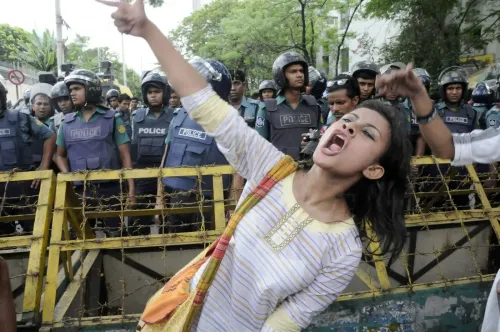
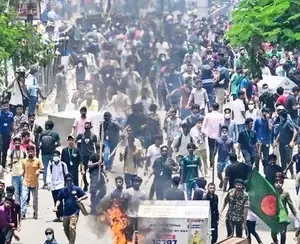
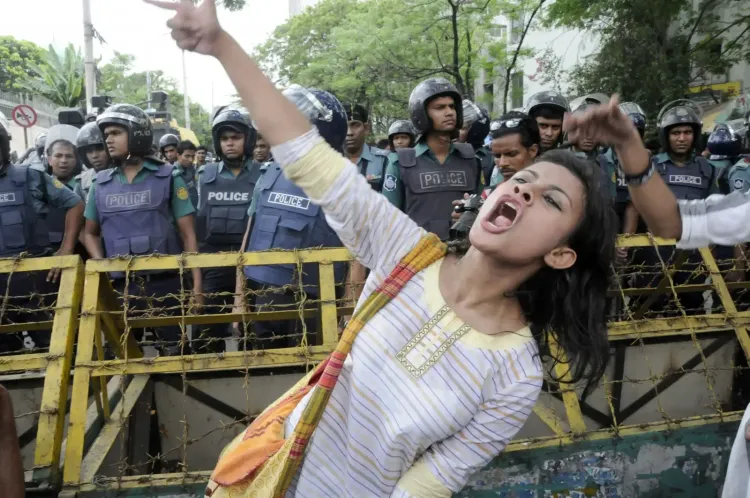
The report covers a period that coincides with significant political turbulence in Bangladesh, following major student-led protests in mid-2024 that reshaped the country's political landscape. Critics argue that in the aftermath of those upheavals, political score-settling has filtered into university campuses, with Awami League-affiliated academics and students bearing a disproportionate share of institutional reprisals. The documentation of 229 affected institutions suggests the pattern is nationwide rather than isolated, raising questions about the role of institutional leadership in either enabling or failing to prevent such conduct. The situation is being closely watched by international academic freedom monitors and human rights bodies beyond JMBF.
Point of View
000 individuals across 229 institutions in barely two years — is too large to be dismissed as sporadic misconduct; it points to an institutional failure of protection, if not active complicity. What makes this report particularly significant is its timing: Bangladesh is navigating a post-protest political transition, and the targeting of Awami League affiliates on campuses mirrors wider patterns of political retribution that have historically accompanied such transitions in South Asia. The international community's response will test whether academic freedom norms carry any enforceable weight in contexts where the persecuted are aligned with a political force now out of favour. The absence of an independent accountability mechanism within Bangladesh's university governance structure is the central gap this report exposes.
NationPress
10 Nov 2026
Frequently Asked Questions
What did the JMBF report on Bangladesh universities find?
The report by Justice Makers Bangladesh in France (JMBF) found that at least 2,051 people — 1,569 students and 482 teachers — faced politically motivated persecution across 229 higher education institutions in Bangladesh between August 2024 and October 2026. Alleged abuses include forced resignations, campus and examination exclusions, physical attacks, intimidation, and criminal proceedings.
Who is being targeted in Bangladesh's university persecution?
According to JMBF, individuals targeted are primarily those with actual or perceived affiliations to the Awami League and its student wing, the Chhatra League. Some individuals were also reportedly targeted based on their actual or perceived sexual orientation.
Which organisation published the Bangladesh academic freedom report?
The report was published by Justice Makers Bangladesh in France (JMBF), a Paris-based international human rights organisation. Its Founder President, Shahanur Islam, issued a formal statement condemning the alleged persecution.
What has JMBF demanded from Bangladesh authorities?
JMBF has urged Bangladeshi authorities to immediately end politically motivated academic exclusion, intimidation, violence, and discriminatory disciplinary measures. It has also called for safe and unrestricted access to education, examinations, campuses, and residential facilities for all eligible students.
Why does the persecution of Bangladesh students and teachers matter beyond individual cases?
JMBF warned that the broader consequences include interrupted education, damaged careers, weakened institutional independence, and an atmosphere of fear that threatens the credibility of Bangladesh's entire higher education system. Critics argue the pattern suggests systemic political retribution rather than isolated incidents.