FAO, WFP warn 19.2 million Afghans face acute food crisis this winter
Synopsis
Nearly 40 per cent of Afghanistan's population faces acute food insecurity this winter — and the situation is getting worse. With five million people at emergency hunger levels and malnutrition projected to hit four million in 2027, FAO and WFP are sounding the loudest alarm in years, even as donor funding runs critically short heading into the harshest months.
Key Takeaways
19.2 million Afghans (38% of the population) are projected to face acute food insecurity during the November–April 2026–27 lean season, up from 17.4 million a year earlier.
Five million people face emergency-level hunger ( IPC Phase 4 ), double the figure for April–September 2026 ; worst-hit provinces include Badakhshan , Badghis , Daykundi , and Ghor .
Acute malnutrition cases are forecast to rise 10 per cent to four million in 2027, with a quarter classified as severe and life-threatening.
More than 1.2 million Afghans forcibly returned from Iran and Pakistan this year have compounded the strain on host communities.
A favourable 2026 harvest improved crop output but failed to offset chronic unemployment and surging food prices driven by shipping disruptions.
FAO and WFP warn that a critical funding shortfall is narrowing the window to avert a severe winter hunger emergency.
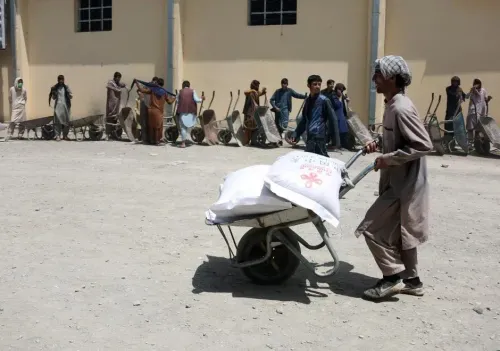
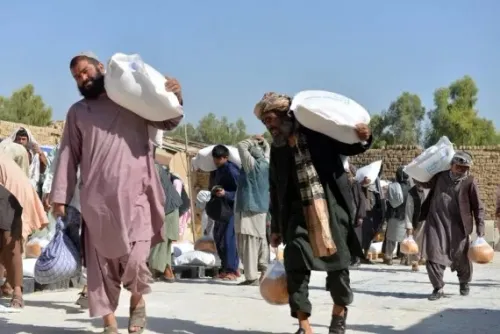
Nearly 19.2 million people — approximately 38 per cent of Afghanistan's population — are projected to face high levels of acute food insecurity during the November–April 2026–27 lean season, the Food and Agriculture Organisation (FAO) and the World Food Programme (WFP) warned on 18 October 2026. The figure marks a sharp rise from the 17.4 million projected for the same period a year earlier, according to the latest Integrated Food Security Phase Classification (IPC) analysis.
Scale of the Crisis
Of the 19.2 million at risk, around five million Afghans are expected to face emergency levels of hunger, classified as IPC Phase 4 — double the number recorded for the April–September 2026 period. The provinces of Badakhshan, Badghis, Daykundi, Ghor, Samangan, Sar-e-Pol, and rural Ghazni are expected to see the most severe conditions.
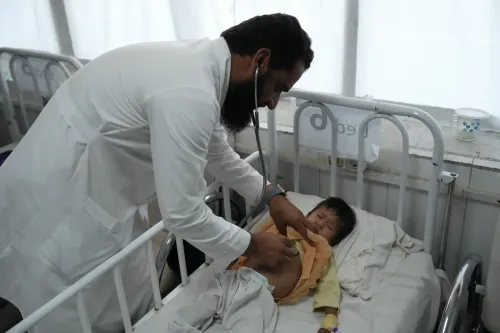
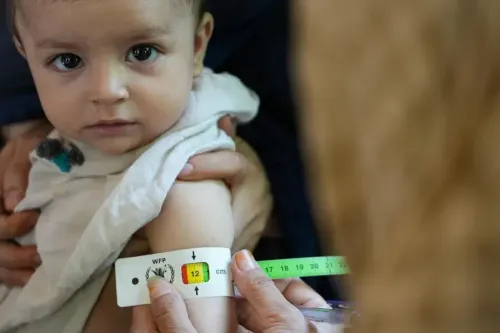
Acute malnutrition is also set to worsen sharply, with cases projected to rise by nearly 10 per cent compared to 2026, reaching four million. A quarter of those cases are described as severe and life-threatening, with women and children identified as the most exposed groups. Prevention and treatment services are reportedly lagging far behind the scale of need.
What Is Driving the Emergency
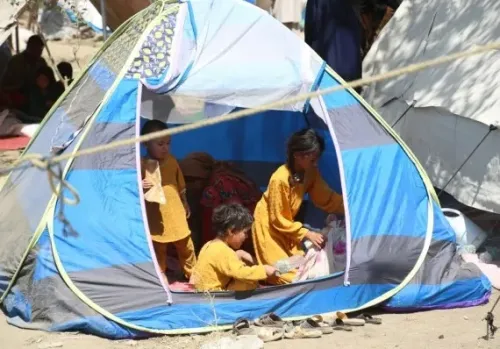
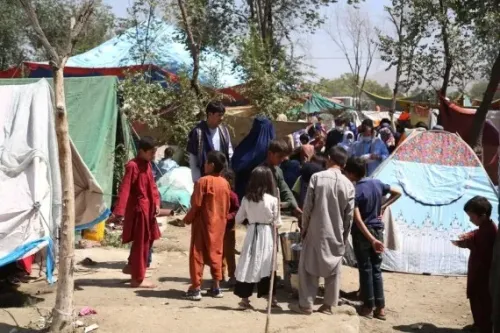
The agencies attribute the deteriorating situation to a convergence of compounding shocks. More than 1.2 million Afghans have been forcibly returned from Iran and Pakistan this year alone, placing additional strain on already-stretched communities. Border closures and disruptions to shipping through the Strait of Hormuz have driven up prices of essential goods, eroding household purchasing power further.
Sharp funding shortfalls for humanitarian operations have meanwhile left agencies unable to scale responses to match rising need. Notably, while favourable rainfall in 2026 boosted crop production, persistent unemployment means many families who do not grow their own food still cannot afford a nutritious diet — a structural gap that a good harvest alone cannot bridge.
What FAO and WFP Said
Richard Trenchard, FAO Representative in Afghanistan, acknowledged the agricultural progress while underscoring its limits: 'This year's strong harvest shows what Afghan farmers can achieve. But for a parent with no steady income, nutritious food in the market can still be out of reach for their family. The drumbeat of shock and crisis is relentless, but we know progress is possible,' he said.
WFP Country Director in Afghanistan John Aylieff warned that the window for effective intervention is narrowing rapidly. 'Hunger and malnutrition are tightening their grip on Afghanistan's families, pushing more people towards the brink just as resources to respond are running short. We still have a window to act, but it is closing fast. With urgent support, families can get through the winter with dignity. Without it, many will face impossible choices no parent should have to make,' Aylieff said.
Funding Gap and What Comes Next
The crisis is increasingly being defined, in the WFP's framing, by the widening gap between humanitarian need and available funding — a structural challenge that has worsened each year since international engagement with Afghanistan contracted following the Taliban's return to power in 2021. Without urgent donor mobilisation ahead of the lean season, the agencies warn that millions of Afghan families could face the winter without adequate food or nutrition support.
Point of View
Not cyclical misfortune. The forced return of over 1.2 million people from Iran and Pakistan is a political shock that humanitarian budgets were never designed to absorb, yet donor governments have not recalibrated funding to match. The 2026 harvest improvement is being cited as evidence of resilience, but it masks the structural failure: good crops do not feed families with no income in a market economy. Until employment and purchasing power are addressed alongside food production, each new seasonal report will simply reset the baseline for the next emergency.
NationPress
19 Oct 2026
Frequently Asked Questions
How many people in Afghanistan face food insecurity this winter?
Approximately 19.2 million people — around 38 per cent of Afghanistan's population — are projected to face high levels of acute food insecurity during the November–April 2026–27 lean season, according to FAO and WFP. This is up from 17.4 million projected for the same period a year earlier.
What is IPC Phase 4 and how many Afghans are affected?
IPC Phase 4 denotes emergency-level hunger, just one step below famine. Around five million Afghans are expected to fall into this category during the current lean season — double the number recorded for the April–September 2026 period.
What is driving the food crisis in Afghanistan?
The crisis is being driven by multiple compounding shocks: the forced return of more than 1.2 million Afghans from Iran and Pakistan, border closures, Strait of Hormuz shipping disruptions raising food prices, persistent unemployment, and significant shortfalls in humanitarian funding.
What will happen to malnutrition levels in Afghanistan in 2027?
Malnutrition cases are projected to rise by nearly 10 per cent compared to 2026, reaching four million in 2027. A quarter of those cases are expected to be severe and life-threatening, with women and children most at risk.
Did Afghanistan's 2026 harvest improve the food situation?
Favourable rainfall did boost crop production in 2026, which FAO acknowledged as a positive sign. However, FAO and WFP cautioned that persistent unemployment means families without land still cannot afford nutritious food in the market, limiting the harvest's impact on overall food security.