Afghan forces dismantle 8 heroin labs, arrest 17 in Ghor province
Synopsis
Afghan security forces dismantled eight heroin labs and arrested 17 suspects in Ghor province on 1 November — the latest in a string of major counter-narcotics operations spanning Herat, Farah, and Helmand over recent weeks, including the incineration of 161 tonnes of drugs in Herat alone. The scale points to a coordinated nationwide push against Afghanistan's illicit drug economy.
Key Takeaways
Afghan security forces dismantled eight heroin processing laboratories and arrested 17 suspects in Ghor province on 1 November 2026 .
The raid targeted the outskirts of Chaharsada district , with precursor chemicals and finished narcotics seized.
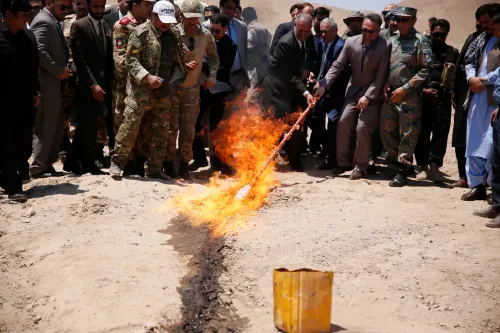
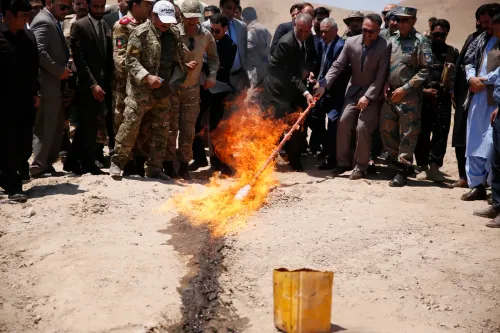
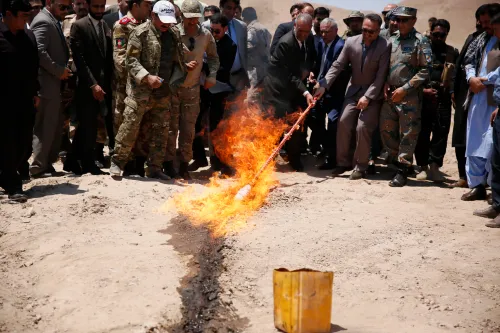
On 18 October , police in Farah province burned nearly one tonne of illegal drugs including 955 kg of opium-type substances and 36 kg of methamphetamine.
On 16 October , 136 kg of opium-type drugs and three suspected smugglers were seized in Helmand's Sangin district .
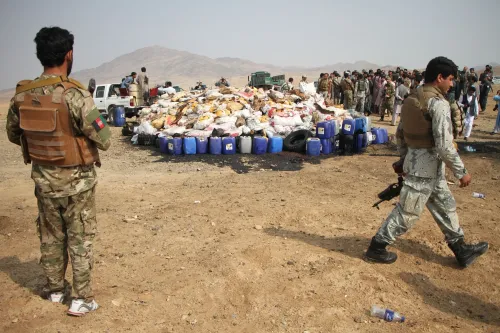
On 13 October , police in Herat province incinerated 161 tonnes of narcotics recovered over a year-long campaign.
All suspects across operations have been referred to judicial authorities for legal proceedings.
Afghan security forces have dismantled eight clandestine heroin processing laboratories and arrested 17 suspected drug traffickers in the western province of Ghor, a local police official confirmed on Sunday, 1 November 2026. The operation marks one of the most significant single-raid takedowns in the province's recent counter-narcotics history.
How the Operation Unfolded
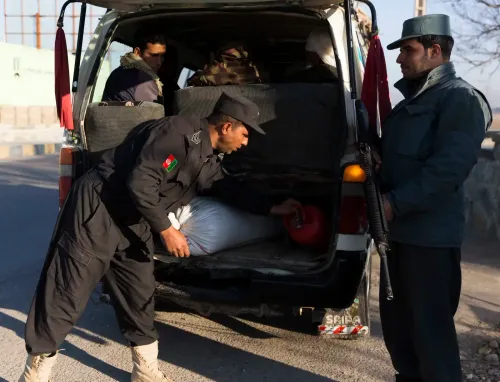
Counter-narcotics units acted on intelligence and a tip-off, conducting a targeted raid on the outskirts of Chaharsada district, according to provincial police spokesman Mawlawi Abdul Rahman Badri. Authorities destroyed all eight facilities and seized substantial quantities of precursor chemicals and illicit narcotics used in heroin production.
The 17 suspects have been taken into custody and transferred to judicial authorities, with case files submitted for further legal proceedings, Badri said. No casualties among security personnel were reported.
Part of a Nationwide Anti-Narcotics Push
The Ghor operation is part of an intensified nationwide campaign targeting traffickers, cultivators, and production networks across Afghanistan's illicit drug economy. The pattern of operations in recent weeks underscores the scale of the crackdown.
On 18 October, police in the western province of Farah publicly burned nearly one tonne of illegal drugs, including 955 kg of opium-type substances, hashish, and 36 kg of methamphetamine — narcotics seized during a series of preceding operations. A suspected drug smuggler was also arrested in connection with that seizure.
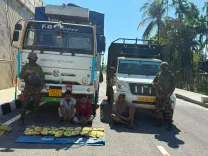
On 16 October, counter-narcotics police seized 136 kg of opium-type drugs and detained three suspected smugglers in Helmand province after recovering contraband from two vehicles in Sangin district on 15 October. All three suspects were referred to the judiciary following a preliminary investigation.
Herat Sees Largest Single Incineration
The most striking single event in the campaign came on 13 October, when Afghan police incinerated 161 tonnes of assorted illicit narcotics uncovered during a year-long counter-narcotics campaign in western Herat province. The substances were recovered across Herat city and several outlying districts, according to provincial police spokesman Sayed Massoud Hussaini.
Hussaini declined to reveal the number of individuals arrested in connection with the Herat seizures but stated that authorities 'would not allow anyone to smuggle, cultivate, or process illicit drugs anywhere in Afghanistan.'
Why This Matters
Afghanistan has historically accounted for a dominant share of global opium and heroin supply. The current wave of operations — spanning Ghor, Farah, Helmand, and Herat — signals a coordinated, multi-province enforcement posture rather than isolated local raids. Analysts note, however, that sustained eradication requires addressing cultivation incentives at the community level, not just dismantling processing infrastructure.
With judicial referrals now filed in multiple provinces, the coming weeks will test whether Afghanistan's court system can process the volume of narcotics cases being generated by the crackdown.
Point of View
Fresh lab dismantlements in Ghor, and seizures across Farah and Helmand within a three-week window — suggests a coordinated enforcement posture that goes beyond routine policing. Yet the pattern of publicised burns and arrests, without corresponding data on cultivation trends, leaves a key question unanswered: are these operations shrinking supply, or simply intercepting a fraction of an undiminished trade? Afghanistan's drug economy is deeply embedded in local livelihoods, and processing lab takedowns, however numerous, rarely address the upstream incentives that sustain cultivation. The real metric to watch is not tonnes burned but whether poppy acreage falls in the next planting season.
NationPress
1 Nov 2026
Frequently Asked Questions
What happened in the Afghan counter-narcotics operation in Ghor province?
Afghan security forces dismantled eight heroin processing laboratories and arrested 17 suspected drug traffickers in Ghor province on 1 November 2026. Counter-narcotics units raided the outskirts of Chaharsada district, destroying the facilities and seizing precursor chemicals and illicit narcotics.
Who confirmed the Ghor province drug raid?
Provincial police spokesman Mawlawi Abdul Rahman Badri confirmed the operation and stated that the 17 suspects had been transferred to judicial authorities with case files submitted for legal proceedings.
What other major drug seizures has Afghanistan carried out recently?
On 18 October, Farah province police burned nearly one tonne of drugs including 955 kg of opium-type substances and 36 kg of methamphetamine. On 16 October, 136 kg of opium-type drugs were seized in Helmand's Sangin district. On 13 October, Herat police incinerated 161 tonnes of narcotics from a year-long campaign.
What is the broader significance of Afghanistan's counter-narcotics campaign?
Afghanistan has historically been one of the world's largest sources of opium and heroin. The current wave of operations across Ghor, Farah, Helmand, and Herat represents a multi-province enforcement drive aimed at dismantling trafficking networks, cultivators, and processing infrastructure simultaneously.
What happens to the suspects arrested in these drug operations?
Suspects arrested across the various operations — including the 17 from Ghor and those from Farah and Helmand — are transferred to judicial authorities after a preliminary investigation, with case files submitted for formal legal proceedings.