Afghanistan burns 53 tonnes of illegal drugs in Kandahar crackdown
Synopsis
Afghan police publicly burned more than 53 tonnes of opium, heroin, meth and hashish in Kandahar — the culmination of a three-month sweep that also netted 227 arrests. With labs dismantled in Ghor and drug burns in Farah in the same period, Afghanistan's Taliban-led authorities appear to be escalating their counter-narcotics campaign on multiple fronts simultaneously.
Key Takeaways
Afghan authorities burned more than 53 tonnes of illegal drugs in Kandahar province on 11 November 2026 .
The stockpile included opium, heroin, methamphetamine, hashish and drug-production precursor chemicals seized over three months.
227 individuals were arrested on drug-related charges during the same period in Kandahar.
On 1 November , security forces destroyed 8 heroin labs and arrested 17 suspects in Ghor province .
On 18 October , nearly 1 tonne of drugs — including 955 kg of opium-type substances and 36 kg of meth — was burned in Farah province .
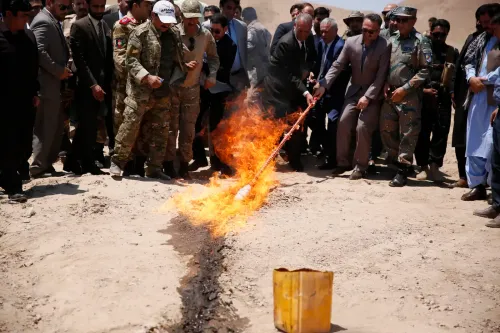
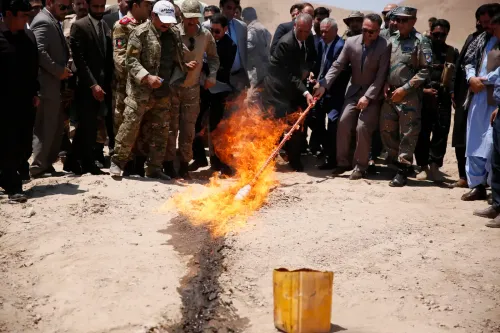
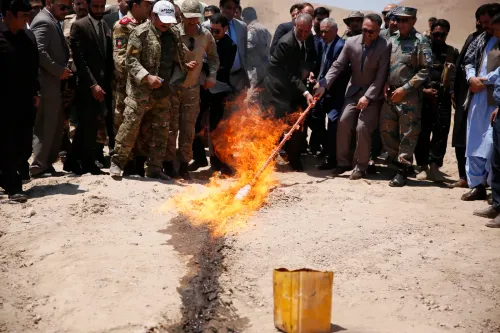
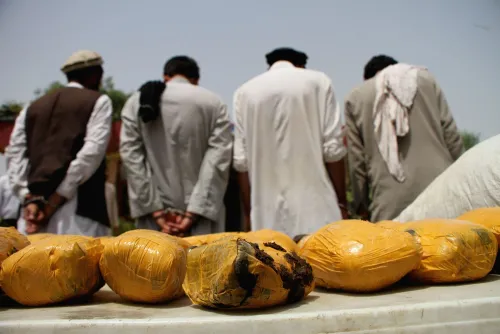
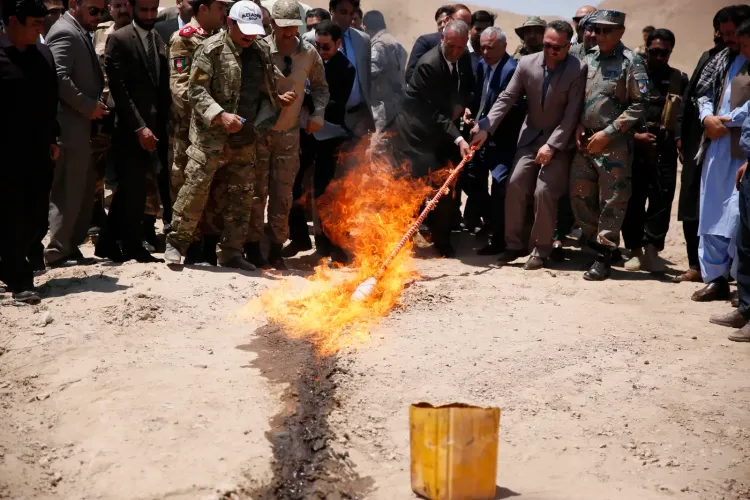
Afghan authorities publicly burned more than 53 tonnes of illegal drugs in the southern province of Kandahar on Wednesday, 11 November, in one of the largest single destruction events in the country's recent counter-narcotics drive. Provincial police spokesman Mullah Assadullah Jamshid confirmed the operation, saying the contraband had been seized over the past three months across multiple district-level raids.
What Was Destroyed and How It Was Seized
The destroyed stockpile included opium, heroin, methamphetamine, hashish, and a range of precursor chemicals and other materials used in drug manufacturing. Jamshid said the haul was accumulated through a series of operations conducted in different districts of Kandahar province. The drugs were publicly incinerated at a formal ceremony attended by government officials and tribal elders, signalling both administrative authority and community involvement in the crackdown.
Arrests and Warnings to Traffickers
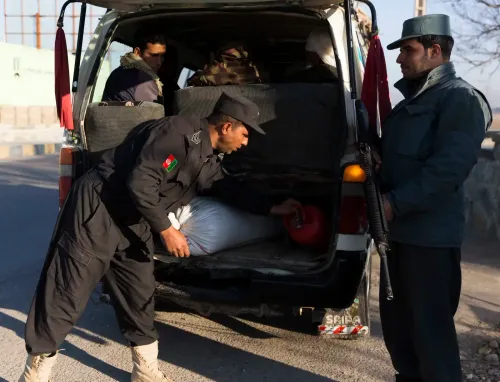
Alongside the drug burn, Jamshid disclosed that 227 individuals had been arrested on charges related to drug trafficking during the same three-month period. He warned that anyone found involved in producing or trafficking illegal drugs in the province would face strict legal action. The scale of arrests — averaging roughly 75 per month — points to what officials describe as a sustained enforcement push rather than a one-off operation.
Wider Campaign Across Afghan Provinces
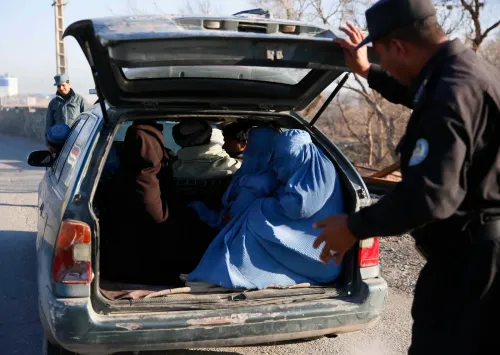
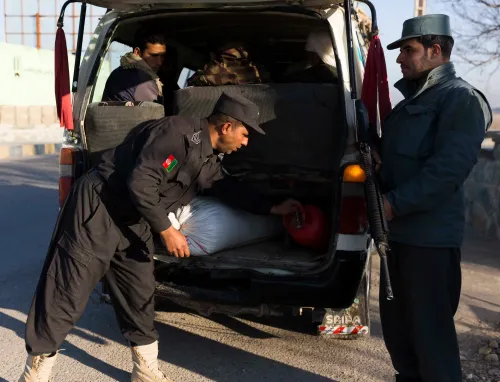
The Kandahar event is part of a nationwide counter-narcotics campaign that has targeted multiple provinces in recent weeks. On 1 November, Afghan security forces dismantled eight clandestine heroin processing laboratories in western Ghor province, arresting 17 suspected drug traffickers. According to provincial police spokesman Mawlawi Abdul Rahman Badri, counter-narcotics units acted on intelligence tips and targeted the outskirts of Chaharsada district, seizing precursor chemicals and narcotics used in heroin production. All suspects were transferred to judicial authorities with case files submitted for further proceedings.
Earlier, on 18 October, police in western Farah province burned nearly one tonne of narcotics, including 955 kg of opium-type substances, hashish, and 36 kg of methamphetamine. Provincial police spokesman Kalimullah Nangyal said those drugs had also been seized during recent operations, with one suspected smuggler taken into custody pending judicial handover.
Context: Afghanistan's Narcotics Economy
Afghanistan has long been the world's largest producer of illicit opium, though the Taliban administration has publicly committed to eradicating poppy cultivation since returning to power. Independent observers note that enforcement has been uneven across provinces, and that the destruction of seized stockpiles — while symbolically significant — does not on its own indicate a structural decline in production or trafficking networks. This series of operations, however, represents a notable escalation in the frequency and scale of publicly documented enforcement actions across southern and western Afghanistan.
Authorities have framed the campaign as a 'concerted effort to dismantle Afghanistan's illicit drug economy,' targeting traffickers, cultivators, and production networks simultaneously. Whether this translates into a verifiable reduction in supply remains to be seen as monitoring access in the region is limited.
Point of View
Ghor and Farah suggest a deliberate effort by Afghan authorities to generate visible enforcement milestones. Yet the destruction of seized stockpiles is a downstream metric — it reflects what was caught, not what was produced or exported. With independent monitoring of Afghan poppy cultivation effectively absent, the gap between enforcement optics and ground reality remains impossible to bridge from the outside. The 227 arrests in Kandahar alone over three months are notable, but without data on conviction rates and supply-chain disruption, the structural impact of these operations on Afghanistan's narcotics economy remains unverifiable.
NationPress
11 Nov 2026
Frequently Asked Questions
How much and what types of drugs were burned in Kandahar on 11 November 2026?
More than 53 tonnes of illegal drugs were publicly burned in Kandahar on 11 November 2026. The haul included opium, heroin, methamphetamine, hashish, and precursor chemicals used in drug manufacturing, all seized during operations over the previous three months.
How many people were arrested in connection with the Kandahar drug operations?
Afghan police arrested 227 individuals on drug-related charges in Kandahar over the three-month period preceding the burn event, according to provincial police spokesman Mullah Assadullah Jamshid.
What happened at the heroin labs in Ghor province?
On 1 November 2026, Afghan security forces dismantled eight clandestine heroin processing laboratories in Ghor province's Chaharsada district, arresting 17 suspected traffickers and seizing precursor chemicals. All suspects were transferred to judicial authorities.
Is this part of a wider Afghanistan counter-narcotics campaign?
Yes, Afghan authorities have framed these operations as part of a nationwide campaign targeting traffickers, cultivators, and production networks. Similar drug burns also took place in Farah province in October 2026, pointing to a coordinated multi-province enforcement push.
Why does Afghanistan's drug trade matter internationally?
Afghanistan has historically been the world's largest source of illicit opium, feeding heroin supply chains across Asia, Europe, and beyond. Any sustained reduction in production or trafficking has significant implications for global narcotics flows, though independent verification of enforcement outcomes inside Afghanistan remains difficult.