Afghanistan destroys 1,000 tonnes of expired medicines in Kandahar
Synopsis
In just three months, Afghan authorities have destroyed more than 2,400 tonnes of expired, substandard, and illegal medicines and food products across Kabul, Balkh, and Kandahar — a pattern that reveals both the scale of illicit pharmaceutical imports and the Taliban administration's increasing focus on consumer protection enforcement at the border.
Key Takeaways
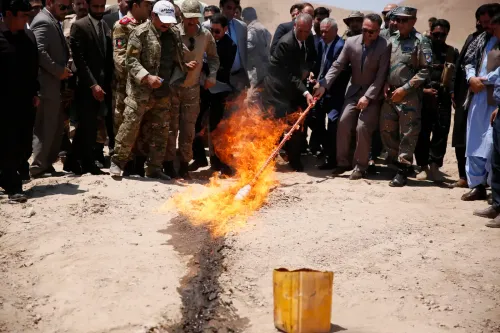
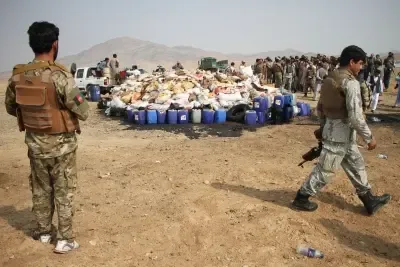
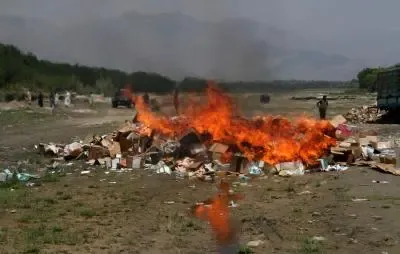
Afghan authorities destroyed approximately 1,000 tonnes of expired and substandard medicines and cosmetics in Kandahar province on 2 November 2026 .
The confiscated goods were valued at more than $20 million and had been seized at border crossings over the past 18 months .
In October , Balkh province destroyed 142 tonnes of expired medicines and food products from private facility inspections.
In September , the Ministry of Public Health announced destruction of around 1,290 tonnes of similar products collected across Kabul and other provinces.
Officials confirmed enforcement operations will continue, with a focus on curbing illicit imports at border crossing points.
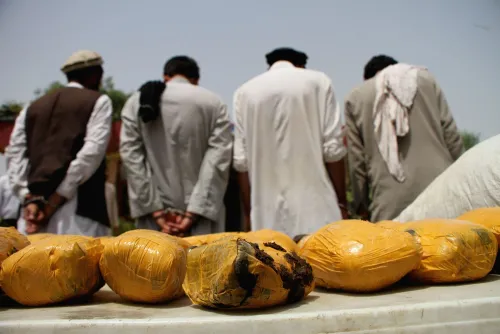
Afghan authorities on Monday, 2 November 2026, destroyed approximately 1,000 tonnes of expired and substandard medicines and cosmetics in southern Kandahar province, in what officials described as part of an intensified campaign to protect public health and enforce quality controls nationwide. The confiscated goods, valued at more than $20 million, had been seized at border crossing points across the province after being illegally imported over the past 18 months.
What Was Destroyed and Why
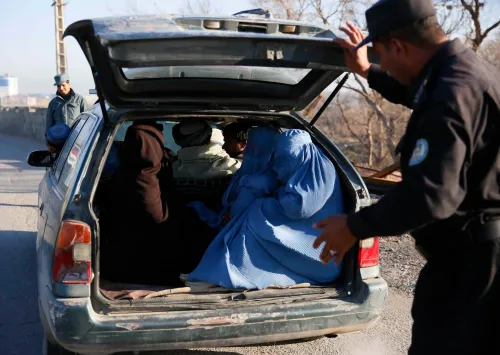
According to Mawlawi Mansoorul Haq Zakir, head of Kandahar Customs, the confiscated products were classified as outdated, low-quality, and below national quality standards. Officials said the goods had accumulated at border posts following systematic interceptions of illicit imports. The destruction was carried out to prevent these products from reaching consumers through informal or unregulated supply chains.
A Pattern of Nationwide Enforcement
The Kandahar operation is part of a broader wave of enforcement actions across Afghanistan. In October, health authorities in northern Balkh province destroyed 142 tonnes of expired and substandard medicines and food products gathered over the preceding year through systematic inspections of private healthcare facilities and food outlets.
As recently as September, Afghanistan's Ministry of Public Health reported the destruction of around 1,290 tonnes of expired, substandard, and illegal medicines, food items, and health products collected from pharmacies, drugstores, supermarkets, and shops across Kabul and multiple provinces. That announcement was posted on X by Sharafat Zaman Amarkhil, spokesman for the ministry.
Regulatory Context and Ongoing Challenges
Afghanistan's pharmaceutical and food regulatory environment faces significant structural challenges, including porous border controls, limited laboratory testing capacity, and a large informal retail sector. The repeated, large-scale destruction of substandard goods — across multiple provinces and in consecutive months — underscores the scale of the problem authorities are attempting to address.
Local officials in Kandahar confirmed that surveillance and enforcement activities will continue uninterrupted, stressing that the sale of expired, substandard, or unauthorised medicines and food products will not be tolerated. The operations collectively reflect a stated policy shift toward stricter consumer protection in both the pharmaceutical and food sectors.
What Comes Next
Authorities have not detailed a timeline for additional operations, but the frequency of announcements — three major destruction events in as many months — suggests enforcement will remain a priority. The emphasis on border points as the primary interception site indicates that curbing illicit imports, rather than just removing products already in circulation, is increasingly central to the strategy.
Point of View
400 tonnes — point to a systemic failure in Afghanistan's import regulation rather than isolated incidents. The repeated reliance on public destruction as a headline measure raises a harder question: why are these consignments clearing border points in the first place? Without upstream intervention — strengthened customs scanning, laboratory accreditation at ports, and supply-chain traceability — the destruction operations risk becoming a recurring spectacle rather than a durable fix. The scale of the $20 million Kandahar seizure alone suggests organised smuggling networks, which no amount of incineration will dismantle on its own.
NationPress
2 Nov 2026
Frequently Asked Questions
What did Afghan authorities destroy in Kandahar on 2 November 2026?
Afghan authorities destroyed approximately 1,000 tonnes of expired and substandard medicines and cosmetics in Kandahar province. The goods, valued at more than $20 million, had been seized at border crossing points after being illegally imported over the past 18 months.
Who announced the Kandahar medicine destruction?
Mawlawi Mansoorul Haq Zakir, head of Kandahar Customs, confirmed the operation and described the confiscated products as outdated, low-quality, and below national quality standards.
How does this compare to earlier enforcement actions in Afghanistan?
In October 2026, Balkh province destroyed 142 tonnes of expired medicines and food products. In September 2026, Afghanistan's Ministry of Public Health reported destroying around 1,290 tonnes of similar products from pharmacies, drugstores, and shops across Kabul and other provinces — bringing the total destroyed in three months to over 2,400 tonnes.
Why is Afghanistan carrying out these large-scale destructions?
Afghan public health and customs authorities say the operations are aimed at protecting consumer safety and enforcing quality standards in the pharmaceutical and food sectors, which face challenges including porous border controls and a large informal retail market.
Will enforcement operations continue?
Yes. Local officials confirmed that surveillance and enforcement will continue uninterrupted, and that the sale of expired, substandard, or unauthorised medicines and food products will not be tolerated. The government's focus is increasingly on intercepting illicit imports at border crossing points.