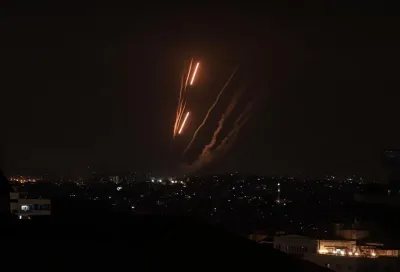
Afghanistan retaliates with artillery strikes on Pakistani military posts after drone attacks
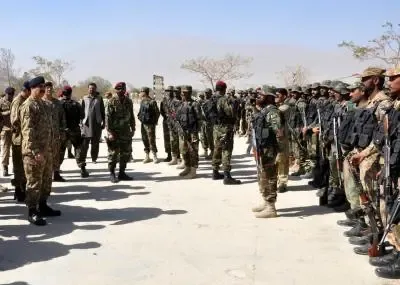
Synopsis
Afghan forces launched artillery and heavy-weapons strikes on Pakistani military positions on 28 October after Pakistan reportedly conducted four drone strikes on border installations in Paktika. Kabul claims significant Pakistani casualties and zero Afghan losses — but Islamabad has not responded, leaving the most serious cross-border exchange since February 2026 unverified from the Pakistani side.
Key Takeaways
Afghan security forces launched retaliatory artillery and heavy-weapons strikes on Pakistani military posts on 28 October 2026 .
Pakistan reportedly conducted four drone strikes on Tuesday , targeting border installations in the province of Paktika .
The Afghan Ministry of Defence claims substantial Pakistani casualties and significant damage to border infrastructure; no Afghan casualties were reported.
Pakistani authorities had not issued an official response at the time of the report.
Cross-border armed clashes along the Durand Line have been ongoing since February 2026 , with both sides conducting military buildups.
The use of drone strikes, if confirmed, marks a qualitative escalation in the nature of the border conflict.
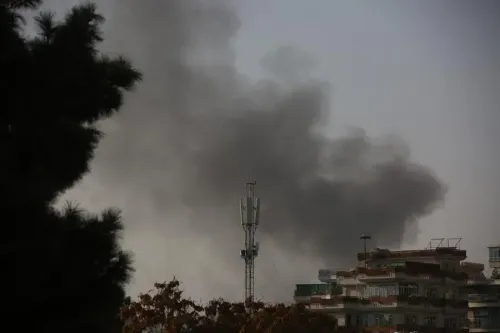
Afghan security forces launched heavy retaliatory artillery and heavy-weapons strikes against Pakistani military positions along the border on Wednesday, 28 October 2026, after Pakistan reportedly conducted four separate drone strikes on Afghan installations in the eastern border province of Paktika. Kabul's Ministry of Defence announced the counter-offensive in an official statement, marking one of the most serious cross-border military exchanges in recent months.
How the Escalation Unfolded
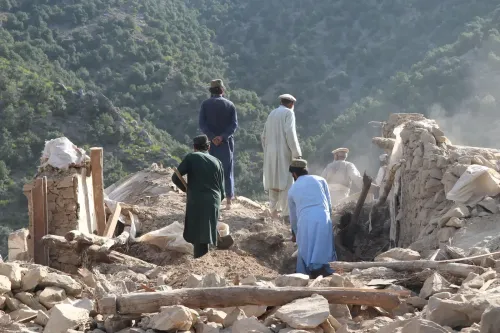
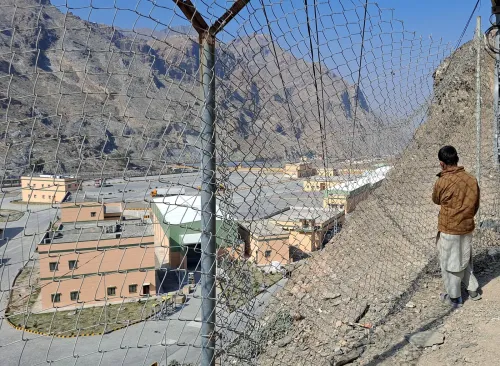
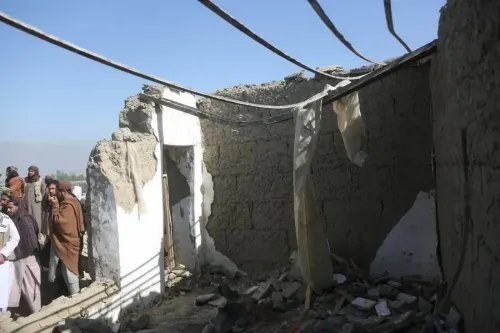
According to the Afghan Ministry of Defence, Pakistani armed forces carried out four drone strikes on Tuesday, targeting a border commissariat and adjacent security installations in Paktika — a strategically significant province that shares a long frontier with Pakistan's Khyber Pakhtunkhwa region. The strikes caused physical damage to local facilities and immediately triggered a military response from nearby Afghan security units.
In retaliation, Afghan defence and security personnel deployed along the frontier directed targeted artillery and heavy weapons fire at a major Pakistani military base in the immediate vicinity, as well as several surrounding border outposts. The Afghan side claimed no casualties among its own forces during the exchange.
Afghan Military Claims Significant Damage
The Afghan Ministry of Defence stated that its counter-operations inflicted 'substantial casualties' among Pakistani military personnel and caused 'significant structural damage' to Pakistan's border defence infrastructure. The ministry reiterated Kabul's readiness to defend its territorial integrity against what it described as cross-border aggression.
Notably, Pakistani authorities had not issued an official response confirming or denying the reported casualties and damage at the time of this report. Independent verification of the casualty claims from either side was not immediately available.
Backdrop: Months of Mounting Tensions
The exchange is the latest flashpoint in a prolonged deterioration of relations along the Durand Line — the disputed, porous 1,640-km Afghanistan-Pakistan border — that neither Kabul nor Islamabad formally recognises as a settled international boundary. Armed clashes first erupted in February 2026, leading to repeated standoffs, sporadic skirmishes, and a military buildup by both sides.
This comes amid broader regional instability, with the Taliban-led Afghan government regularly accusing Pakistan of harbouring militant groups that carry out attacks on Afghan soil, while Islamabad has in turn blamed Afghan territory for cross-border raids on Pakistani security forces. The two countries have exchanged accusations at multilateral forums, and diplomatic channels have remained largely frozen.
Regional and Strategic Implications
The use of drone strikes by Pakistani forces — if confirmed — represents a qualitative shift in the nature of cross-border hostilities, moving beyond small-arms skirmishes and mortar exchanges. Analysts have previously warned that drone use along this frontier could rapidly escalate engagements, given the limited early-warning capacity on both sides.
The incident is likely to draw attention from regional powers including China, which has invested heavily in Pakistani infrastructure, and from the United Nations Assistance Mission in Afghanistan (UNAMA), which has previously called for restraint. As of Wednesday evening, no international mediator had publicly called for de-escalation following this specific incident.
What Comes Next
All eyes are on whether Pakistan issues a formal response and whether either side signals a willingness to step back from the frontier. A continued absence of diplomatic engagement raises the risk of further exchanges along one of South Asia's most volatile and unresolved border disputes.
Point of View
One that the Taliban government will be structurally compelled to match or exceed to maintain domestic credibility. With diplomacy frozen and no third-party mediator engaged, the February-to-October trajectory suggests escalation is the default, not the exception. The international community's near-total silence on a conflict involving two nuclear-armed neighbours — one of them a formal Pakistani ally through the CPEC corridor — is a failure of diplomatic attention that risks normalising a genuinely dangerous standoff.
NationPress
29 Oct 2026
Frequently Asked Questions
What triggered Afghanistan's retaliatory strikes on Pakistan on 28 October 2026?
Afghan forces struck Pakistani military positions after Pakistan reportedly conducted four drone strikes on a border commissariat and adjacent security installations in Afghanistan's eastern province of Paktika on Tuesday. The Afghan Ministry of Defence described the counter-strikes as a direct response to cross-border aggression.
What damage did Afghanistan claim to have inflicted on Pakistan?
The Afghan Ministry of Defence claimed its counter-operations caused substantial casualties among Pakistani military personnel and significant structural damage to Pakistan's border defence infrastructure. Pakistan had not confirmed or denied these claims at the time of the report, and independent verification was not immediately available.
How long have tensions been building along the Afghanistan-Pakistan border?
Armed clashes along the Durand Line initially erupted in February 2026, leading to repeated standoffs, sporadic skirmishes, and military buildups by both sides over the following months. The 28 October exchange is considered one of the most serious escalations in that period.
Why is the Durand Line a persistent flashpoint?
The Durand Line is a disputed, approximately 1,640-km border that neither the Afghan government nor successive Pakistani administrations have formally recognised as a settled international boundary. Both sides have also traded accusations of harbouring militant groups, compounding the territorial dispute with a counter-terrorism dimension.
What is the significance of Pakistan allegedly using drones in the strikes?
The reported use of drones represents a qualitative shift beyond the small-arms and mortar exchanges that have characterised earlier clashes. Drone use can escalate engagements rapidly given limited early-warning infrastructure on both sides, and sets a new threshold that analysts warn either party could feel compelled to match or exceed.