Iran FM Araghchi warns of false-flag plots after Kurdistan drone attack
Synopsis
Iranian FM Araghchi warned of 'false-flag ploys' to drive a wedge between Iran and Iraqi Kurdistan — even as the KRG's own counter-terrorism directorate traced two Hadid-110 drones to the Iranian border. With Barzani directly attributing the strikes to Iran on X, the gap between Tehran's public framing and the evidence on the ground is stark.
Key Takeaways
Iranian FM Seyed Abbas Araghchi warned on 18 August of 'false-flag ploys' to sow discord between Iran and Iraq's Kurdistan region .
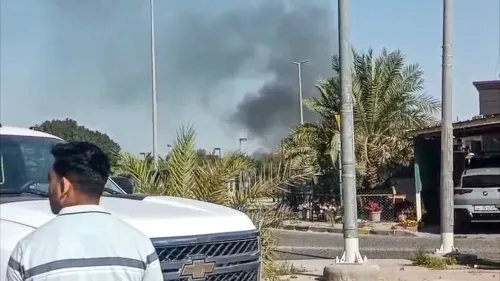
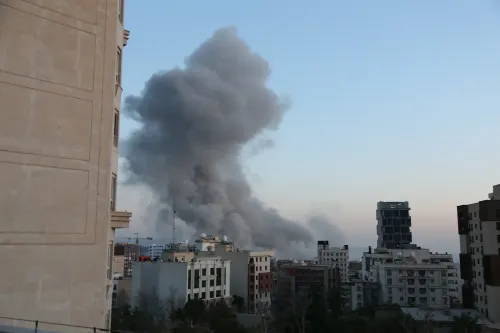
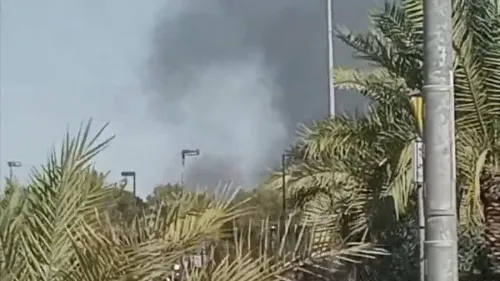
Two 'Hadid-110' drones struck KRG PM Masrour Barzani's private office and a senior security official's residence; no casualties were reported.
The Directorate General of Counter-Terrorism said the drones were launched from the Iranian side of the border .
Barzani stated on X that an investigation confirmed the attacks were carried out by Iranian drones .
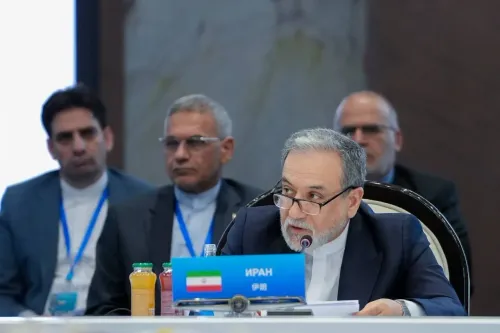
Araghchi held a phone call with Iraqi FM Fuad Hussein , reaffirming Iran's support for Iraq's territorial integrity and calling for border security cooperation.
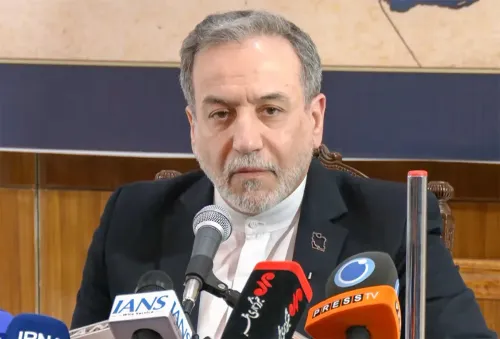
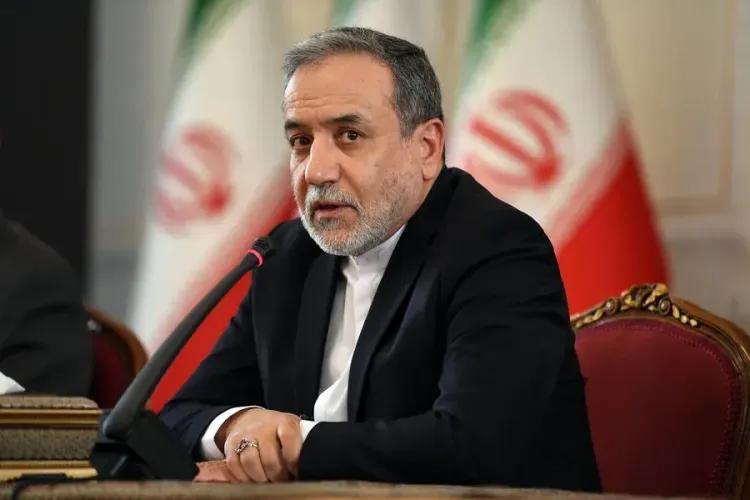
Iranian Foreign Minister Seyed Abbas Araghchi on Monday, 18 August warned of 'false-flag ploys' aimed at stoking discord between Iran and Iraq's semi-autonomous Kurdistan region, hours after drone strikes targeted the private office of Kurdistan Regional Government (KRG) Prime Minister Masrour Barzani and a senior local security official's residence.
The Warning and What Prompted It
Araghchi posted the caution on social platform X shortly after reports emerged of the early-morning drone attack. 'Nothing justifies the reckless attack on PM Barzani's office. Kurdish friends should be vigilant against false-flag ploys to sow discord between neighbours,' he wrote.
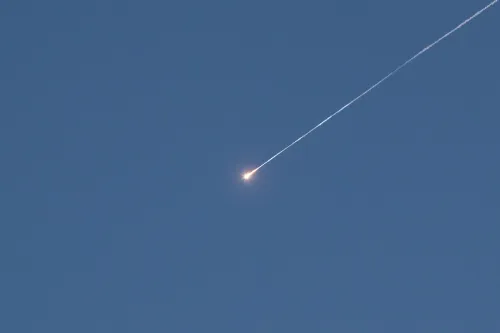
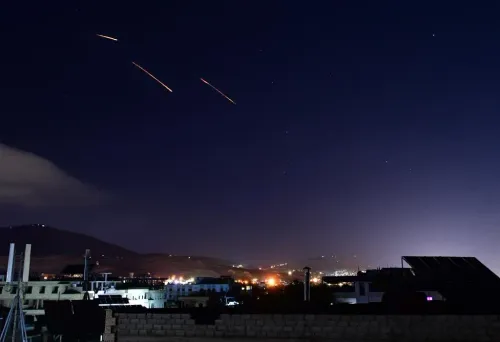
The regional Directorate General of Counter-Terrorism issued a statement identifying the weapons as two 'Hadid-110' drones launched from the Iranian side of the border. No casualties were reported in the strikes.
Barzani Attributes Attacks to Iran
Masrour Barzani said on his own X account that an investigation had established that his personal office and 'the home of the head of the (regional) Security and Intelligence Agency were targeted by Iranian drone attacks earlier today.' He condemned the strikes as a direct threat to the security and stability of the Iraqi Kurdistan region.
The attribution directly contradicts Tehran's framing of the episode as a potential false-flag operation — a contradiction that analysts say is likely to deepen mistrust between the two sides.
Araghchi-Hussein Phone Call
In a separate phone call with Iraqi Foreign Minister Fuad Hussein on the same day, Araghchi underscored Iran's stated commitment to Iraq's security, stability, and territorial integrity. He called for vigilance against acts of terror, including the attack on Barzani's office, and urged both sides to guard against conspiracies that could damage their 'friendly and brotherly' bilateral relations.
The two ministers also stressed the need to maintain security along the shared border and agreed to strengthen cooperation and coordination to prevent further incidents in the border zone, according to reports.
Broader Context and Regional Stakes
The Kurdistan region of Iraq has long been a flashpoint in Iran-Iraq relations. Tehran has previously launched missile and drone strikes against targets it described as Kurdish militant bases on Iraqi soil — moves that the KRG and Baghdad have repeatedly condemned as violations of Iraqi sovereignty. This is not the first time the two sides have traded accusations following cross-border incidents.
Notably, Araghchi's 'false-flag' framing — issued even as counter-terrorism officials traced the drones to the Iranian border — has drawn attention for its timing. The episode comes amid broader regional tensions, with Iran navigating a complex set of relationships across its western frontier.
How Baghdad and Erbil respond in the coming days will likely determine whether this incident strains the Iran-Iraq relationship further or is contained through diplomatic channels.
Point of View
Even as those strikes have escalated in frequency since 2022. The more consequential question is whether Baghdad will formally protest, given that repeated violations of Iraqi airspace have so far produced little lasting diplomatic cost for Iran. Barzani's unusually direct public attribution on X suggests Erbil has decided that quiet diplomacy is no longer sufficient.
NationPress
18 Aug 2026
Frequently Asked Questions
What happened at KRG PM Masrour Barzani's office on 18 August?
Two 'Hadid-110' drones struck the private office of Kurdistan Regional Government Prime Minister Masrour Barzani and the residence of a senior regional security official in the early hours of 18 August. No casualties were reported, according to the regional Directorate General of Counter-Terrorism.
What did Iranian FM Araghchi say about the drone attack?
Araghchi posted on X that 'nothing justifies the reckless attack on PM Barzani's office' and warned Kurdish leaders to be 'vigilant against false-flag ploys to sow discord between neighbours.' He also called Iraqi FM Fuad Hussein to reaffirm Iran's support for Iraq's security and territorial integrity.
Who does the KRG say carried out the drone strikes?
Masrour Barzani stated on X that an investigation found his office and the home of the head of the regional Security and Intelligence Agency were targeted by Iranian drone attacks. The Directorate General of Counter-Terrorism separately confirmed the drones were launched from the Iranian side of the border.
What is the significance of Araghchi's 'false-flag' warning?
The warning is notable because it came while KRG officials were publicly attributing the attack to Iran. Tehran's framing — that a third party may be trying to drive a wedge between Iran and Iraqi Kurdistan — directly contradicts the findings of the KRG's own counter-terrorism body, deepening the credibility gap around the incident.
What did Iran and Iraq agree on in their phone call?
Iranian FM Araghchi and Iraqi FM Fuad Hussein agreed on the need to ensure security and stability along their shared border and to strengthen bilateral cooperation and coordination to prevent further incidents. Araghchi also called for vigilance against acts of terror and conspiracies that could harm the two countries' relations.