Iran FM Araghchi warns Britain over US strike cooperation
Synopsis
Iran's Foreign Minister has drawn a hard line with Britain: any cooperation with US strikes — including use of British bases — constitutes aggression under international law. With a June Iran-US memorandum of understanding reportedly dead and the Strait of Hormuz under Iranian pressure, Tehran is signalling it holds London accountable for what comes next.
Key Takeaways
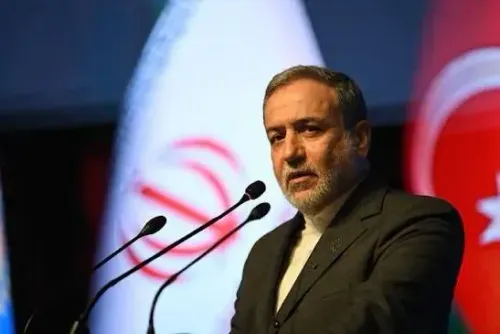
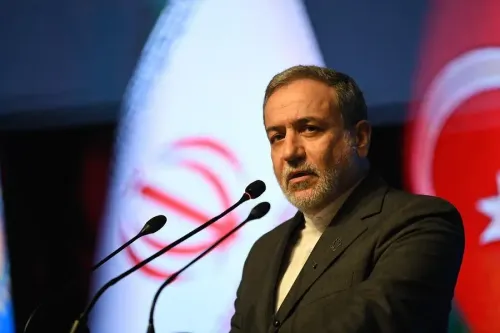
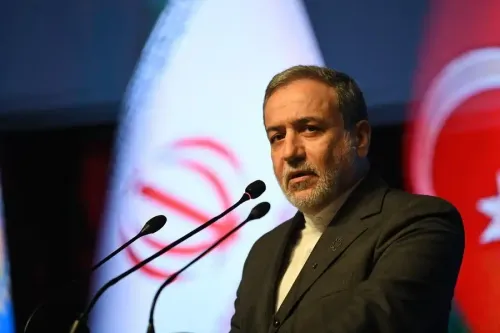
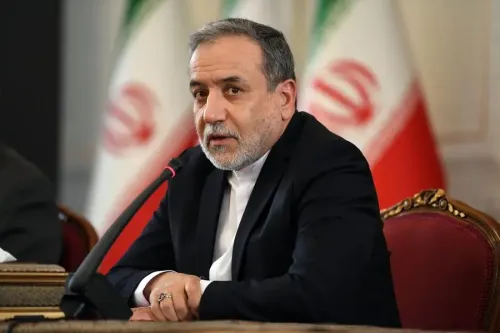
Iranian Foreign Minister Seyed Abbas Araghchi warned Britain on 1 August against cooperating with US strikes on Iran, calling it 'unacceptable'.
Araghchi cited international law and the Convention for the Definition of Aggression , arguing such cooperation amounts to an act of aggression giving Iran the right to self-defence.
He criticised Britain's designation of the IRGC as a national security threat and alleged London's 'complicity' in recent US-Israeli strikes.
Iran and the US signed a memorandum of understanding in June to end the conflict; Araghchi alleged Washington failed to honour it.
British PM Andy Burnham approved continued US use of British military bases for Iran-related operations last month.
The conflict began on 28 February when the US and Israel launched joint strikes on Tehran, killing then-Supreme Leader Ali Khamenei .
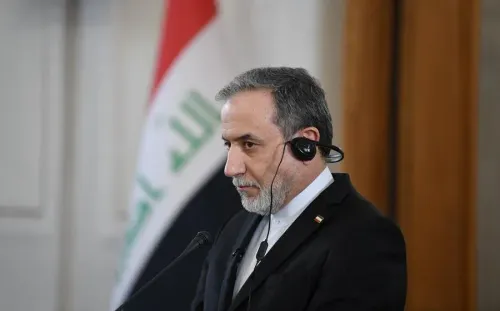
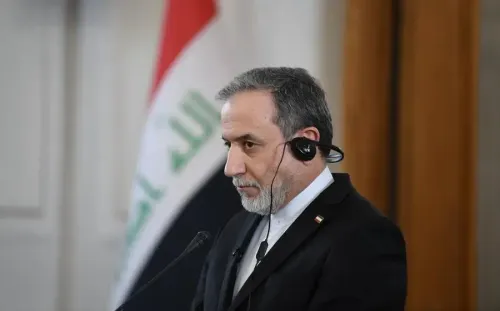
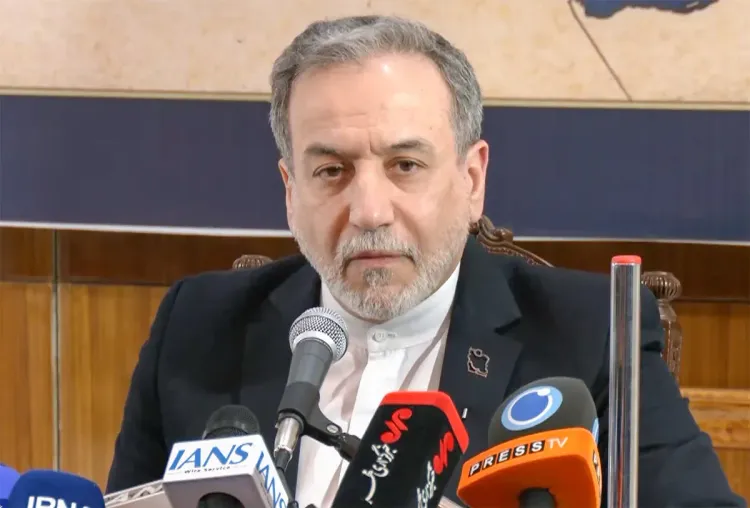
Iranian Foreign Minister Seyed Abbas Araghchi on Saturday, 1 August warned Britain against extending any military cooperation to the United States in connection with strikes on Iran, calling such assistance 'unacceptable' regardless of existing defence agreements. The warning was delivered during a phone call with British Foreign Secretary Ed Miliband, according to a statement issued by the Iranian Foreign Ministry.
What Araghchi Said
Araghchi framed his warning in legal terms, invoking international law and the Convention for the Definition of Aggression. He argued that permitting a country's territory or facilities to be used for illegal attacks against another state itself constitutes an act of aggression — and grants the targeted state the right to self-defence.
He also criticised what he described as London's 'unjustified and inappropriate' policies toward Tehran, specifically citing the British government's recent designation of Iran's Islamic Revolution Guard Corps (IRGC) as a national security threat and what he termed Britain's 'complicity' in two wars imposed on Iran in recent months by the United States and Israel. Araghchi called on Britain to reconsider its stance.
Iran-US Diplomatic Breakdown
Araghchi said Iran had entered diplomatic talks with Washington in good faith and that both sides had signed a memorandum of understanding in June aimed at ending the conflict. He alleged that the United States subsequently failed to honour its commitments under that agreement, according to reports.
He also highlighted Iran's efforts to establish operational mechanisms with Oman to manage shipping traffic through the Strait of Hormuz, warning that third-party interference would further complicate an already fraught situation.
Britain's Position
Foreign Secretary Miliband pushed back, asserting that Britain was not involved in the war against Iran and reiterating that diplomacy remained his government's preferred path to resolving disputes.
However, British Prime Minister Andy Burnham last month approved the continued use of British military bases by US forces for operations related to Iran — a policy reportedly inherited from his predecessor. That decision sits at the heart of Tehran's objections.
Background: The Conflict That Sparked This Warning
On 28 February, the United States and Israel launched joint strikes on Tehran and other Iranian cities, killing Iran's then-Supreme Leader Ali Khamenei, senior military commanders, and civilians. Iran responded with waves of missile and drone attacks on US and Israeli bases and assets across the region, while simultaneously tightening control over the Strait of Hormuz.
The exchange marked a dramatic escalation in regional tensions, with the Strait of Hormuz — through which a significant share of global oil shipments pass — becoming a pressure point in Iran's strategic posture. The latest diplomatic exchange between Tehran and London signals that the conflict's aftershocks continue to reshape alliances and red lines across the region.
Point of View
That fundamentally changes the moral and legal calculus for third parties like Britain. London's position — 'we are not at war with Iran' while hosting US strike platforms — is legally and politically untenable if that MOU is confirmed.
NationPress
15 Sept 2026
Frequently Asked Questions
Why did Iran's Foreign Minister warn Britain?
Araghchi warned Britain because British Prime Minister Andy Burnham approved the continued use of British military bases by US forces for operations related to Iran. Tehran considers this cooperation with an 'aggressor' and has declared it unacceptable under international law.
What legal argument did Araghchi invoke?
He cited international law and the Convention for the Definition of Aggression, arguing that allowing one's territory or facilities to be used for illegal strikes against another state constitutes an act of aggression — and gives the attacked country the right to self-defence.
What was the Iran-US memorandum of understanding signed in June?
According to Araghchi, Iran and the United States signed a memorandum of understanding in June aimed at ending the ongoing conflict. He alleged that Washington subsequently failed to honour its commitments under the agreement, effectively collapsing the diplomatic track.
What is Britain's stated position on the Iran conflict?
British Foreign Secretary Ed Miliband said his country was not involved in the war against Iran and maintained that diplomacy was the appropriate route to resolving disputes. However, Britain has allowed continued US use of its military bases for Iran-related operations.
How did the current Iran conflict begin?
On 28 February, the United States and Israel launched joint strikes on Tehran and other Iranian cities, killing Iran's then-Supreme Leader Ali Khamenei along with senior military commanders and civilians. Iran responded with missile and drone attacks on US and Israeli assets across the region and tightened control over the Strait of Hormuz.