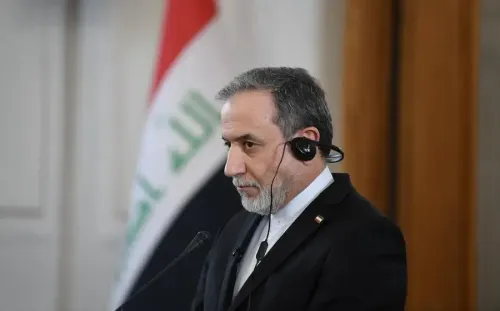
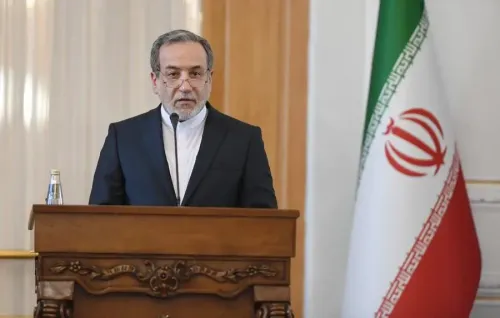
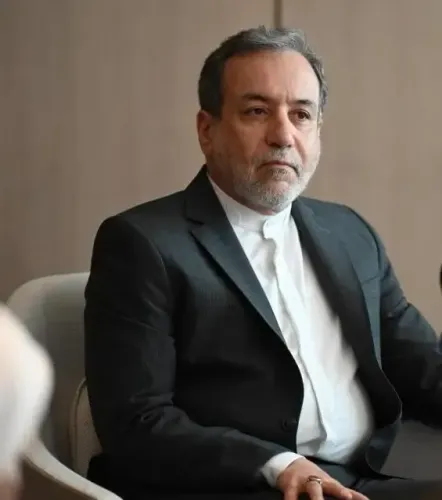
Iran warns of retaliation if Israel attacks Beirut; US talks continue: Araghchi
Synopsis
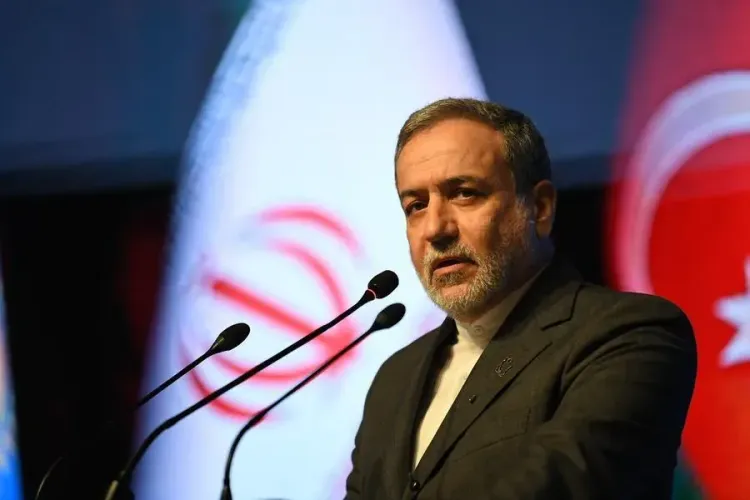
Iran's foreign minister has drawn a sharp red line around Beirut, warning that any Israeli assault on the Lebanese capital would trigger Iranian retaliation and risk a wider war. Even as back-channel talks with Washington reportedly continue through Pakistan, IRGC strikes on US bases in Kuwait and Bahrain show how fast the diplomatic track could collapse.
Key Takeaways
Iranian FM Seyed Abbas Araghchi warned Iran will respond if Israel attacks Beirut .
Araghchi said any ceasefire must cover both Iran and Lebanon , calling their fates inseparable.
US-Iran talks reportedly continue via Pakistan's mediation, working toward a memorandum of understanding.
President Donald Trump denied a Tasnim report that Tehran had halted message exchanges with Washington.
The IRGC said it struck US bases in Kuwait and Bahrain , retaliating for a US attack on Qeshm Island .
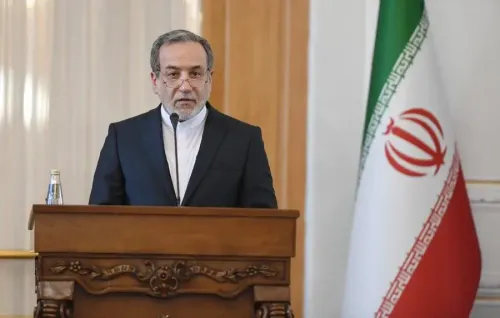
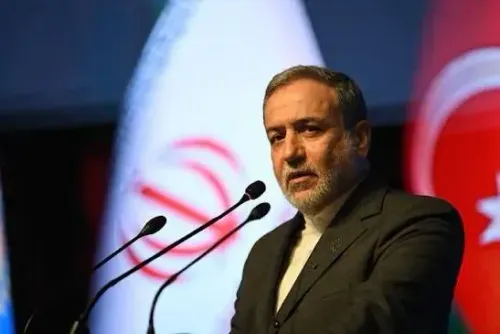
Iranian Foreign Minister Seyed Abbas Araghchi has warned that Tehran will respond militarily if Israel launches an attack on Beirut, cautioning that such a move could reignite a full-scale war across the region. Speaking on 4 June, Araghchi said Iran has notified all relevant parties that it will not tolerate an assault on the Lebanese capital, even as back-channel communications with Washington reportedly remain active.
Iran's red line on Beirut
In an interview broadcast by Lebanese channel Al Mayadeen on Wednesday, Araghchi said Iran's armed forces are prepared and ready to strike Israel if Beirut comes under attack. He accused Israel of violating ceasefires in both Iran and Lebanon in recent days, framing the security of the two countries as inseparable in the current conflict.
“Any ceasefire or settlement must encompass both countries,” the minister said, signalling that Tehran views Lebanon as integral to any wider de-escalation framework.
Status of talks with Washington
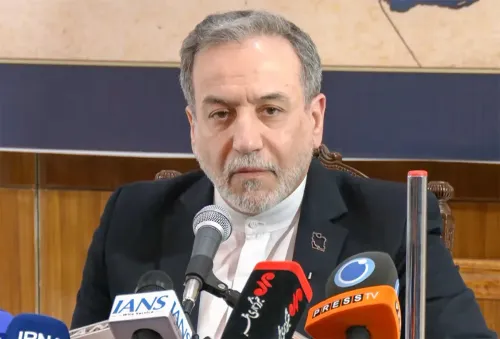
Araghchi confirmed that communications between Tehran and Washington have continued through exchanged messages, though no major breakthrough has been reported. He said both sides are reviewing texts and working toward a final formulation, adding that Iran seeks ‘peace and security based on dignity and honour' and does not want war.
Over the past weeks, Iran and the United States have reportedly exchanged several proposed plans outlining conditions for peace through Pakistan's mediation, with efforts underway to finalise a memorandum of understanding aimed at ending hostilities.
Conflicting signals on dialogue
Iran's semi-official Tasnim news agency reported on Monday that Tehran had halted the exchange of messages with Washington in protest against Israel's latest actions in Lebanon. Hours later, US President Donald Trump denied the report, stating that US-Iran talks ‘are continuing at a rapid pace.'
The contradictory readouts underscore the fragile, often opaque, nature of the back-channel — a pattern seen through earlier rounds of US-Iran indirect engagement.
Fresh strikes raise stakes
Earlier on Wednesday, Iran's Islamic Revolutionary Guard Corps (IRGC) said it had carried out missile and drone attacks on US bases in Kuwait and Bahrain, in retaliation for an overnight US strike on an IRGC communications tower on Iran's southern Qeshm Island. The tit-for-tat strikes mark a sharp escalation even as diplomatic channels reportedly remain open.
What happens next
Diplomats will be watching whether the exchanged texts move toward a formal memorandum, or whether the Beirut flashpoint collapses the talks. Araghchi reiterated that Iran's forces are ready to resume military operations ‘at any moment' and possess the capability to sustain a prolonged war — a warning aimed as much at Tel Aviv as at the negotiating table.
Point of View
Paired with talk of a ‘final formulation', captures the strange duality of this moment: maximum kinetic pressure layered over maximum diplomatic ambiguity. Trump's denial of the Tasnim halt narrative suggests Washington is invested in keeping the channel alive — but the deeper question is whether Tehran can hold the regional axis together if Beirut becomes the next front. India and other Gulf-dependent economies have a direct stake in how this plays out, from oil flows to diaspora safety.
NationPress
18 Oct 2026
Frequently Asked Questions
What did Iran's foreign minister warn about Beirut?
Iranian Foreign Minister Seyed Abbas Araghchi warned that Iran will respond militarily if Israel attacks Beirut, saying Tehran has informed all parties it will not tolerate an assault on the Lebanese capital. He cautioned that such a move could trigger a return to full-scale war.
Are US-Iran talks still ongoing?
Yes, according to Araghchi, communications between Tehran and Washington continue through exchanged messages, though no major breakthrough has been achieved. US President Donald Trump also denied reports that Iran had halted the dialogue, saying talks are continuing at a rapid pace.
What role is Pakistan playing in the negotiations?
Pakistan is reportedly mediating between Iran and the United States, with several proposed peace plans exchanged in recent weeks. Both sides are said to be working toward a memorandum of understanding aimed at ending the conflict.
What did the IRGC attack on US bases involve?
Iran's Islamic Revolutionary Guard Corps said it carried out missile and drone attacks on US bases in Kuwait and Bahrain. The strikes were described as retaliation for an overnight US attack on an IRGC communications tower on Iran's southern Qeshm Island.
Why does Iran link Lebanon's security to its own?
Araghchi said Iran considers the fate of Lebanon and Iran inseparable in the current conflict. He insisted that any ceasefire or settlement must encompass both countries, signalling that Tehran will treat any attack on Beirut as an attack requiring Iranian response.