Why are arrest warrants requested for a South Korean lawmaker and former councillor in a bribery case?
Synopsis
In a significant turn of events, South Korean police have requested arrest warrants for a lawmaker and a former city councillor entangled in a bribery scandal related to the 2022 local elections. As investigations unfold, the implications of this case could have far-reaching consequences for political integrity in the region.
Key Takeaways
Police requested arrest warrants for a lawmaker and a former councillor.
The case is linked to a 2022 local election bribery scandal .
Charges include violations of the Political Funds Act .
Potential sentences are up to four years for bribery.
The investigation continues as authorities evaluate the situation.
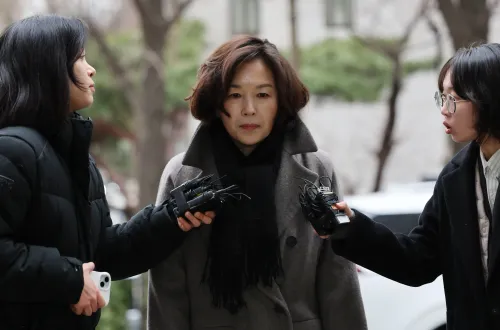
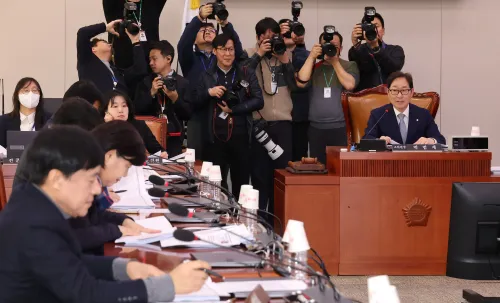
Seoul, Feb 5 (NationPress) On Thursday, South Korean authorities sought arrest warrants for a legislator and a former city councillor from Seoul involved in a bribery scandal linked to the local elections of 2022.
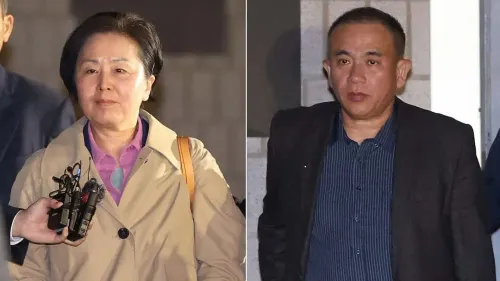
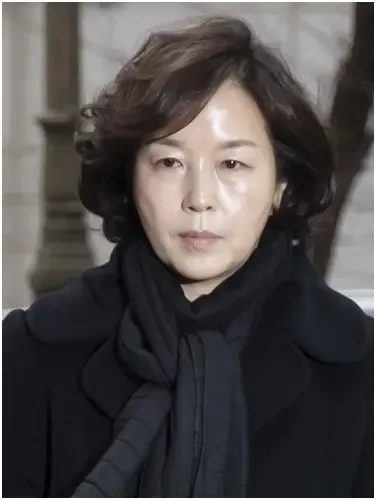
The warrants target Rep. Kang Sun-woo, an independent previously affiliated with the ruling Democratic Party (DP), and Kim Kyung, a former Seoul city councillor, as reported by Yonhap news agency.
Kim is accused of providing 100 million won (around US$68,500) to Kang to secure a DP nomination for her councillorship prior to the 2022 local elections.
While Kang admitted to receiving a shopping bag from Kim, she denied any knowledge of cash being inside.
Authorities indicated they contemplated charging Kang with bribery under the Act on the Aggravated Punishment of Specific Crimes but opted for charges of accepting bribes in breach of trust, considering that nomination processes are party-related, not public.
Kim faced charges for offering bribes in breach of trust.
These offenses carry potential sentences of up to four years and 18 months in prison, which are comparatively lighter than the maximum penalties of 10 years and 3.5 years for bribery under the aggravated punishment act.
Authorities stated they will continue evaluating the possibility of applying the heavier bribery charge before forwarding the case to prosecution.
Both individuals have also been charged with violating the Political Funds Act and the Improper Solicitation and Graft Act.
The scandal surfaced late last year following a recording in which Kang discussed the money with former DP floor leader Kim Byung-ki.
Kim fled to the United States but returned last month to cooperate with the investigation, raising suspicions of her initial intent to evade legal consequences.
Meanwhile, the investigation into Kang commenced after her removal from the DP, which has led to public skepticism regarding the police's diligence.
A typical court hearing for an arrest warrant occurs within three days post-prosecution request, but as a sitting lawmaker, Kang enjoys immunity from arrest during parliamentary sessions.
To proceed with her arrest, the National Assembly requires a majority vote of its members.
Point of View
We remain committed to delivering unbiased and factual reporting. The investigation into these bribery allegations is crucial not only for the individuals involved but also for the integrity of South Korean politics. We will continue to monitor the situation as it develops, ensuring our readers are informed of all significant updates.
NationPress
16 Sept 2026
Frequently Asked Questions
What are the charges against the lawmaker and former councillor?
The charges include bribery and violations of the Political Funds Act and the Improper Solicitation and Graft Act.
What is the potential punishment for these charges?
The offenses carry possible sentences of up to four years for bribery and 18 months for breaching trust.
What sparked the investigation into this case?
The investigation began after the disclosure of a recording where the lawmaker discussed money with a former party leader.
Can the sitting lawmaker be arrested while parliament is in session?
No, the lawmaker enjoys immunity from arrest during parliamentary sessions unless the National Assembly consents.
What might happen next in this case?
Authorities will review whether heavier bribery charges can be applied before sending the case to prosecution.