Asim Munir's Dangerous Strategy: Inciting Sectarian Conflict in Pakistan
Synopsis
As tensions mount in Pakistan, Field Marshal Asim Munir attempts to divert attention from national issues by provoking sectarian conflict between Sunnis and Shias. This strategy raises concerns about the potential for increased violence amidst an already volatile situation.
Key Takeaways
Pakistan is grappling with multiple internal conflicts.
Field Marshal Asim Munir is under significant pressure.
Efforts to incite sectarian violence pose risks to national unity.
The Shia community is vocal about their loyalty to Pakistan.
Regional dynamics with Saudi Arabia impact Pakistan's military strategies.
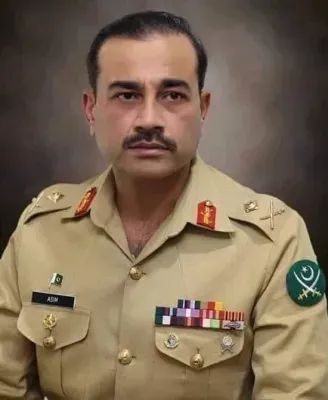
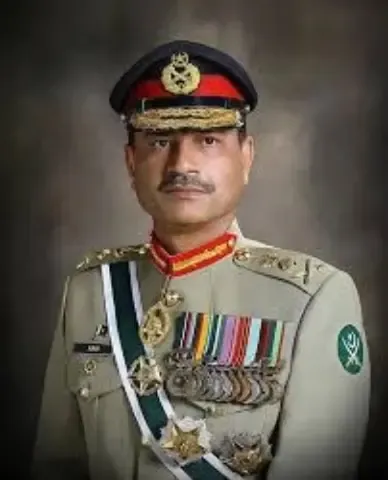
New Delhi, March 21 (NationPress) Pakistan is urgently seeking various distractions as it confronts challenges on numerous fronts. The ongoing conflict in Afghanistan, along with the struggles against the Balochistan Liberation Army (BLA) and Tehreek-e-Taliban Pakistan (TTP), has severely compromised the country's security framework. Field Marshal Asim Munir, the army chief, is under intense pressure and requires a significant diversion.
Indian intelligence agencies monitoring Pakistan's situation suggest that Munir's forthcoming strategy may involve igniting conflict between the Sunnis and Shias.
The army chief appears to be emulating General Zia-ul-Haq, who previously led a campaign against the Shia population in Pakistan.
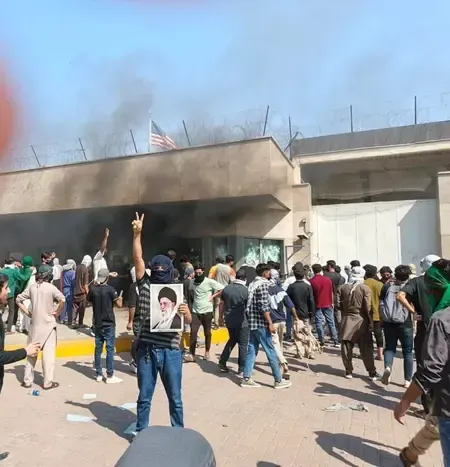
Since the onset of the war in Iran, Shia communities have faced increasing hostility in Pakistan. Demonstrations held in support of Iran are being labeled as anti-national and anti-Sunni.
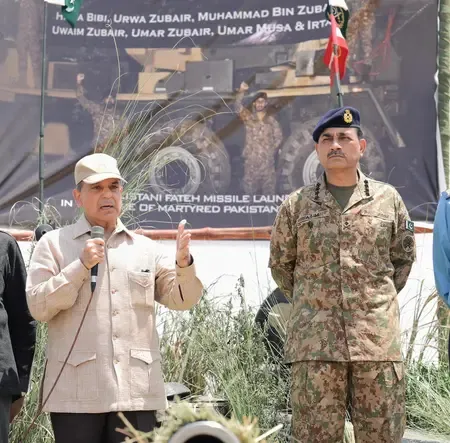
During a recent gathering, Asim Munir publicly insulted Shia Muslims, suggesting that their affinity for Iran signifies a desire to leave Pakistan.
This constitutes a blatant attempt to foster unrest, with hopes that Shia communities will react violently, potentially escalating sectarian conflicts between the Shia minority and the predominately Sunni population in Pakistan.
Another official indicated that Munir's latest tactic is evidently designed to fracture societal unity. Although historical tensions between Shias and Sunnis are well-documented, exacerbating these divisions during the ongoing Iranian conflict is a perilous maneuver by the army chief.
The Shia populace has expressed disbelief at the dismissive manner in which Munir addressed their community.
Observers of Pakistan's political landscape note that there are multiple motivations behind Munir's renewed focus on the Shia issue. He has subtly raised these concerns over time, but his recent actions suggest a more aggressive approach. Munir seems intent on deepening divisions by portraying Shias as having loyalties outside of Pakistan.
Shia leaders are striving to clarify that their allegiance remains with their nation and that they do not intend to act against it.
Expressing support for Iran should not be construed as treason, and Munir's characterization of such sentiments as anti-national is misguided, argue Shia advocates.
Officials assert that the army chief displays little regard for the feelings of the Shia community. Caught in a precarious situation, Munir appears desperate for a distraction, even at the risk of igniting communal unrest.
He is weary of justifying the necessity for fighting on multiple fronts when Pakistan's economy is deteriorating rapidly.
Moreover, the conflict in Iran has compelled the Pakistani government to implement stringent austerity measures, including increased fuel prices. These actions are adversely affecting the average citizen, according to reports.
While the internal discord partially explains why Munir seeks to incite Shia unrest, there is also the influence of Saudi Arabia to consider.
Concerns have arisen regarding Pakistan's commitment to an agreement mandating military support for Saudi Arabia in the event of an attack. The treaty stipulates that an assault on either nation is considered an assault on both.
Saudi Arabia has endured numerous missile strikes from Iran during this conflict. While Pakistan may have ratified the pact, officials contend that the country lacks the necessary resources or capacity to engage in warfare.
Shia groups have vocally demonstrated their support for Iran since the war's commencement, a stance that has not been well-received by Saudi Arabia, which perceives Iran as a rival.
Under mounting pressure, Munir is likely compelled to silence dissenting voices, which elucidates his eagerness for a violent outbreak between Shia and Sunni factions in Pakistan.
Point of View
The actions of Field Marshal Asim Munir raise significant concerns. His strategy to incite sectarian tensions in Pakistan could have severe repercussions for societal stability and national unity, especially during a time of crisis.
NationPress
26 Sept 2026
Frequently Asked Questions
What is the current situation in Pakistan?
Pakistan is facing multiple challenges, including conflicts with the Balochistan Liberation Army and Tehreek-e-Taliban Pakistan, amid rising sectarian tensions.
Why is sectarian violence a concern in Pakistan?
Sectarian violence poses a significant threat to national unity and stability, especially between the Sunni majority and Shia minority.
What historical context informs the current sectarian tensions?
The historical rivalry and conflicts between Sunnis and Shias in Pakistan have been exacerbated by regional conflicts, including the ongoing war in Iran.
What actions have Shia communities taken in response?
Shia communities have voiced their loyalty to Pakistan and protested against being labeled anti-national for expressing support for Iran.