Pakistan's Strategic Use of Sunni Groups to Address Shia Mobilization While Balancing Iran Relations
Synopsis
Pakistan's Army Chief faces a dual challenge: countering Shia mobilization while maintaining neutrality in its relations with Iran. The establishment's reliance on Sunni groups like SeS and JuD highlights a complex strategy to manage this growing issue.
Key Takeaways
Field Marshal Asim Munir faces challenges in addressing Shia mobilization.
Pakistan maintains neutrality in its relations with Iran while countering internal threats.
Sunni groups like SeS and JuD are utilized as proxies.
The approach raises concerns over sectarian violence and accountability.
Geopolitical relevance is a driving factor behind Pakistan's strategy.
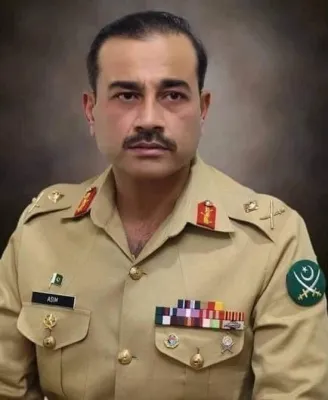
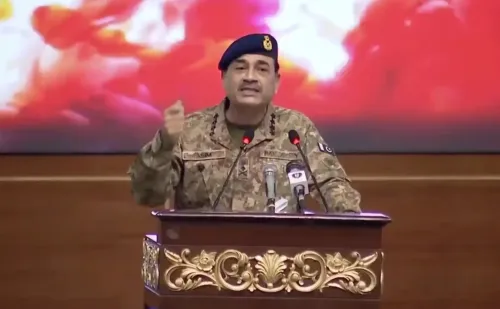
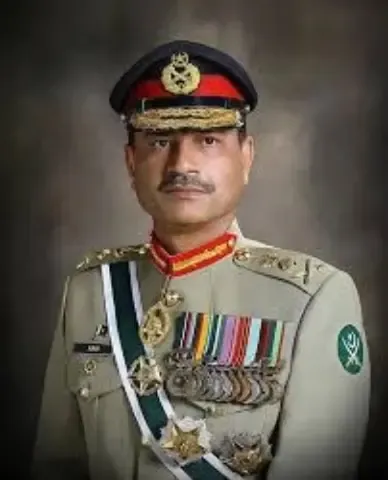
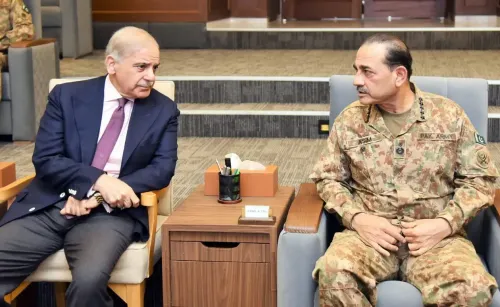
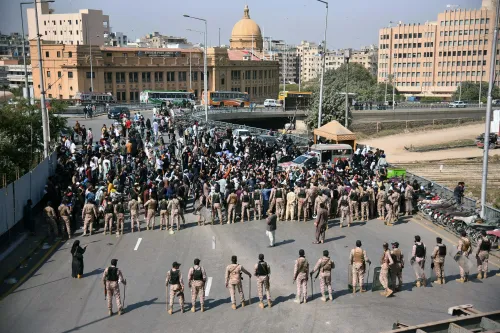
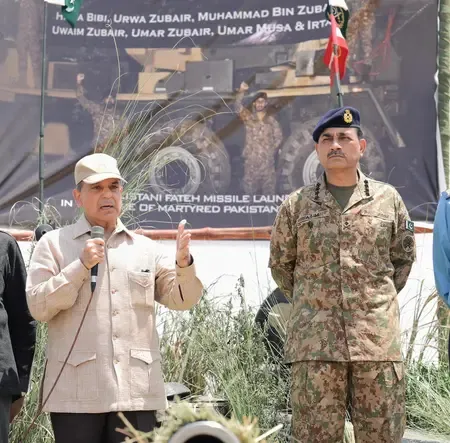
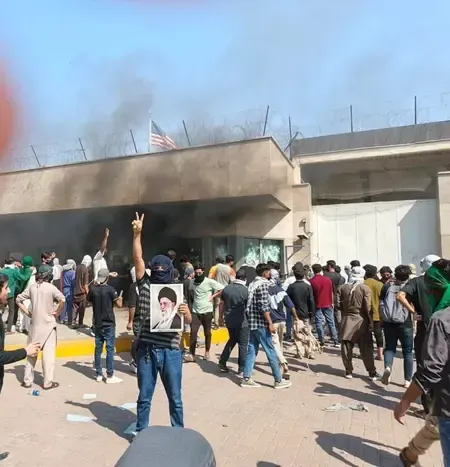
New Delhi, March 25 (NationPress) The challenge of addressing the pro-Iran Shia mobilization in Pakistan has become a growing concern for the Army Chief, Field Marshal Asim Munir. This mobilization poses a significant threat as it continues to expand. However, the dilemma for the establishment is that it cannot employ its official resources against the Shia movement.
Pakistan has opted to act as a mediator between Iran and the United States, necessitating a stance of neutrality. Any direct intervention against the Shia mobilization could provoke Iran's ire, which Islamabad is keen to avoid.
According to an official, Pakistan has reverted to utilizing its proxies to tackle this issue. The Chief of Army Staff has directed hardline Sunni factions and leaders from the Sipah-e-Sabah (SeS) and Jamaat-ud-Dawah (JuD) to confront the Shia groups rallying in substantial numbers in support of Iran. Historically, these factions have supported the Pakistan establishment, notably mobilizing in response to protests advocating for the release of the imprisoned former Prime Minister, Imran Khan.
Members of the SeS and JuD, reportedly backed by the army and ISI, have been granted a license to engage in violent actions against those challenging the establishment, according to an official.
The SeS, a banned Sunni Deobandi Islamist group established in 1985, was specifically formed to counter Shia influence in Pakistan. It has a documented history of sectarian violence, particularly conflicts with the Shia group, Sipah-e-Muhammad.
Conversely, the JuD serves as the charitable arm of Lashkar-e-Taiba, aligned with the Ahl-i Hadith interpretation of Islam, which is akin to Wahhabism and Salafism.
An intelligence official indicated that by enlisting the SeS and JuD, the Army Chief aims to suppress the Shia mobilization. Since these groups operate without accountability, any ensuing violence could be attributed solely to them, allowing the state to maintain plausible deniability in its communications with Iran.
Such actions are likely to attract scrutiny from international observers and foreign intelligence agencies. Nevertheless, the establishment plans to deflect responsibility onto the SeS and JuD, asserting that it has no ties to their actions.
Moreover, an additional official disclosed that both groups have been granted immunity by the establishment, allowing them to act autonomously.
With this strategy in place, it is anticipated that street violence and severe clashes with Shia groups could escalate within Pakistan.
Pakistan seeks to assert its geopolitical significance by mediating between Iran and the US. The country aims to establish itself as a key player in international relations by facilitating dialogue between these conflicting nations.
Field Marshal Asim Munir has taken on this responsibility personally, engaging directly with Iranian President Masood Pezeshkian and leveraging relationships with various Gulf nations and the US.
As Pakistan strives for geopolitical relevance, it cannot afford to overtly suppress the mobilization supporting Iran. Any actions that might provoke Iran at this critical moment could jeopardize Pakistan's aspirations for mediation and its position on the global stage, as noted by another official.
The JuD and SeS have readily accepted the Army Chief's directives, as they have previously. Officials assert that both organizations have long harbored animosity towards the Shia community, making Field Marshal Munir's proposition particularly appealing to them.
Point of View
It is crucial to recognize the complexities of Pakistan's internal dynamics. The establishment's approach, involving the use of Sunni groups to counter Shia mobilization, reflects a broader geopolitical strategy. While this raises concerns about sectarian violence, it also illustrates Pakistan's efforts to maintain its role as a mediator in international affairs.
NationPress
24 Sept 2026
Frequently Asked Questions
What is the role of Field Marshal Asim Munir in the current situation?
Field Marshal Asim Munir is actively managing the response to pro-Iran Shia mobilization in Pakistan while attempting to balance relations with Iran and the United States.
What are the implications of involving Sunni groups like SeS and JuD?
Involving these groups allows the establishment to counter Shia mobilization without direct accountability, but it raises concerns about potential sectarian violence.
How does this situation affect Pakistan's international relations?
Pakistan's actions may influence its geopolitical relevance as it seeks to mediate between Iran and the US, but any missteps could jeopardize its diplomatic efforts.
What historical context should be considered regarding SeS and JuD?
SeS was formed to counter Shia influence in Pakistan and has a history of sectarian violence, while JuD is linked to Lashkar-e-Taiba and follows a similar ideological path.
What is the potential impact of these developments on Pakistan's stability?
The strategy of using Sunni groups against Shia mobilization could lead to increased sectarian tensions and violence, potentially destabilizing the region.