Austria elected to UN Security Council, vows to defend multilateralism
Synopsis
Austria is heading back to the UN's most powerful table. Elected to a non-permanent Security Council seat for 2027-28, President Van der Bellen has framed Vienna's mandate as a defence of multilateralism against what he calls the 'arbitrary exercise of power' by stronger states — a pointed message as global rules-based order frays.
Key Takeaways
Austria was elected a non-permanent member of the UN Security Council on 4 June 2025 for a two-year term starting 1 January 2027 .
President Alexander Van der Bellen pledged to advocate for multilateralism, international law and human rights.
Kyrgyzstan , Portugal , Trinidad and Tobago and Zimbabwe were also elected to the five available seats.
Kyrgyzstan defeated the Philippines after four rounds of voting in the only contested race.
The new members replace outgoing states Denmark , Greece , Pakistan , Panama and Somalia .
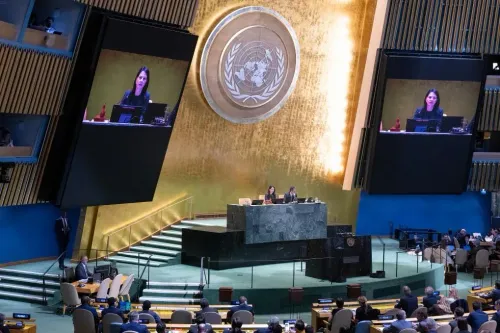
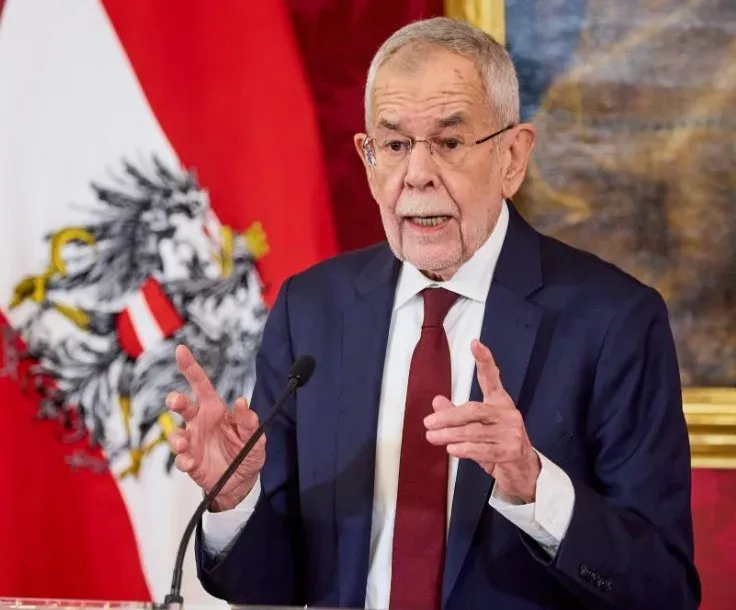
Austrian President Alexander Van der Bellen on Wednesday declared that Austria will firmly champion multilateralism, international law and human rights during its upcoming tenure on the United Nations Security Council. The country was elected a non-permanent member on 4 June 2025 for a two-year term beginning 1 January 2027 and ending 31 December 2028.
What the Austrian President said
“Austria will steadfastly advocate in the UN Security Council for multilateralism based on international law and human rights,” Van der Bellen said in a post on social platform X. Calling for renewed efforts to strengthen the UN, he warned that peaceful cooperation between nations is being threatened by the “arbitrary exercise of power by the 'stronger' parties and ruthless, shortsighted interest politics.”
The five new non-permanent members
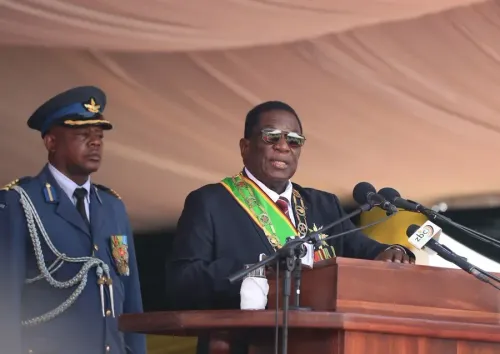
Alongside Austria, Kyrgyzstan, Portugal, Trinidad and Tobago, and Zimbabwe were also elected to non-permanent seats on the same day. They will replace the outgoing members — Denmark, Greece, Pakistan, Panama and Somalia — when their terms begin in January 2027.
How the vote played out
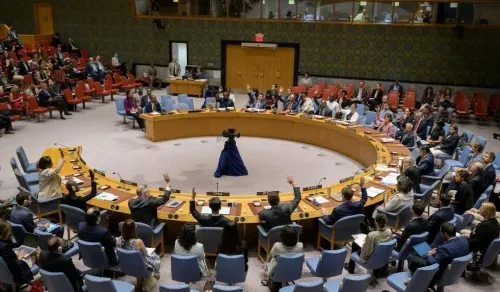
Seven candidates contested the five available seats this year. Austria, Portugal, Trinidad and Tobago, and Zimbabwe sailed through in the first round, while Kyrgyzstan defeated the Philippines only after three additional rounds of voting in a closely contested race. To secure a non-permanent seat, a candidate must win the support of two-thirds of UN member states present and voting at the General Assembly — a minimum of 129 positive votes if all 193 member states cast ballots. Abstentions are not counted as votes.
How the Security Council is structured
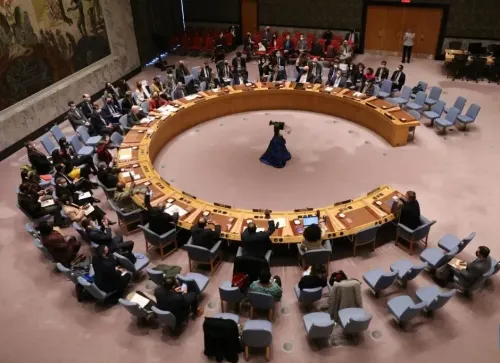
The UN Security Council has 15 members, five of which are permanent: Britain, China, France, Russia and the United States. The 10 non-permanent seats are distributed by geographic region, with five replaced every year. The five newly elected nations represent the African, Asia-Pacific, Latin American and Caribbean, and Western European and Other groups. The Eastern European group is not contesting this cycle, as its seat — currently held by Latvia through 2027 — comes up for election every alternate year.
Why this matters
Widely regarded as the most powerful organ of the United Nations, the Security Council is tasked with maintaining international peace and security. It can adopt legally binding decisions, impose sanctions and authorise the use of force — powers that make every non-permanent seat a meaningful diplomatic platform. Austria's incoming term will coincide with a period of intense geopolitical strain, from the war in Ukraine to conflicts in West Asia, making Vienna's stated commitment to rules-based multilateralism a closely watched signal.
Point of View
Where vetoes have repeatedly paralysed Council action on Ukraine and Gaza. Austria's neutrality tradition gives it room to push reform language that larger Western capitals cannot. But non-permanent members rarely shift the Council's structural arithmetic; the real test will be whether Vienna can build cross-regional coalitions with incoming members like Trinidad and Tobago and Zimbabwe on accountability resolutions. Symbolism is easy at election time; leverage is harder once the gavel falls.
NationPress
21 Oct 2026
Frequently Asked Questions
When will Austria begin its UN Security Council term?
Austria will assume its non-permanent seat on the UN Security Council on 1 January 2027 and serve until 31 December 2028. It was elected on 4 June 2025 at the UN General Assembly.
Which other countries were elected alongside Austria?
Kyrgyzstan, Portugal, Trinidad and Tobago, and Zimbabwe were also elected as non-permanent members for the 2027-28 term. They will replace Denmark, Greece, Pakistan, Panama and Somalia.
How many votes are needed to win a UN Security Council seat?
A candidate must secure the support of two-thirds of UN member states present and voting at the General Assembly. If all 193 member states vote, that translates to a minimum of 129 positive votes; abstentions are not counted.
What did Austrian President Van der Bellen say about Austria's role?
Van der Bellen said Austria will 'steadfastly advocate' for multilateralism rooted in international law and human rights. He warned that peaceful cooperation is being threatened by the arbitrary exercise of power by stronger states and shortsighted interest politics.
How is the UN Security Council structured?
The Council has 15 members in total. Five are permanent — Britain, China, France, Russia and the United States — while the remaining 10 non-permanent seats rotate by geographic region, with five replaced each year.