Bangladesh Awami League condemns Jashore activist killing, warns of political violence
Synopsis
A Jubo League activist's killing in Jashore has prompted the Awami League to sound a broader alarm — not just about one attack, but about a recurring cycle of politically motivated violence and impunity that rights defenders say is corroding Bangladesh's rule of law after each political transition.
Key Takeaways
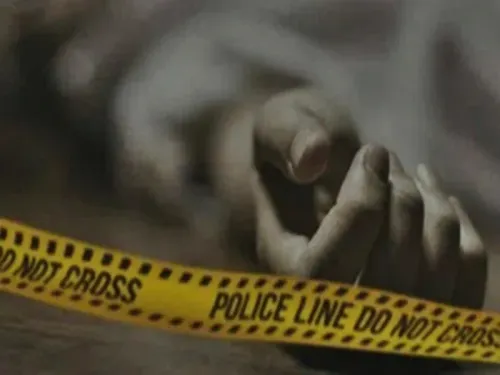
Jewel Ahmed Rana , a 40 -year-old Jubo League leader, died after being attacked in Chaugachha upazila , Jashore , on Thursday morning.
His family has alleged BNP leaders and activists were involved in the assault — allegations that remain unverified.
The family also alleged Rana was denied medical help while critically injured and that his wife was attacked as she tried to protect him.
The Awami League called for a thorough, impartial, and transparent investigation, invoking Bangladesh's Constitution and international human rights law.
The party linked the incident to broader patterns of retaliatory violence following political transitions in Bangladesh .
Bangladesh's Awami League has strongly condemned the killing of a party activist in Jashore district, warning that the incident highlights deepening concerns over politically motivated violence, impunity, and the erosion of fundamental human rights in the country. The party issued its statement on 12 June following the death of Jewel Ahmed Rana, a local leader of the Jubo League — the youth wing of the Awami League.
What Happened in Chaugachha
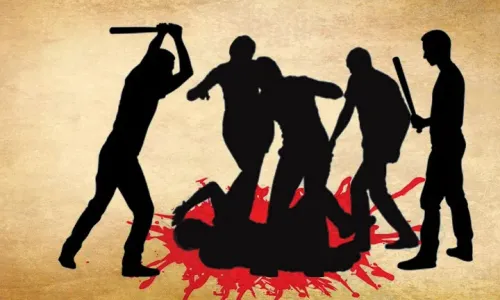
According to local media reports, Jewel Ahmed Rana, 40, succumbed to severe injuries sustained during an attack in Chaugachha upazila in Jashore on Thursday morning. His family has alleged that leaders and activists of the Bangladesh Nationalist Party (BNP) were involved in the assault — an allegation that has not been independently verified.
The victim's family further alleged that Rana was denied assistance while critically injured, and that his wife was assaulted as she attempted to shield him. The Awami League noted that 'these allegations have not been independently verified, but if substantiated, they would represent grave violations of human dignity and basic humanitarian standards.'
What the Awami League Said
The party issued a pointed statement invoking both Bangladesh's Constitution and international human rights law. 'Regardless of political affiliation, the right to life is a fundamental human right protected under both Bangladesh's Constitution and international human rights law. The brutal nature of the attack, as described by witnesses and relatives, underscores the urgent need for a thorough, impartial, and transparent investigation,' the Awami League stated.
The party also called for due process for all suspects and effective remedies for victims and their families, adding: 'Human rights principles require that allegations of politically motivated violence be investigated without bias and that all suspects be afforded due process under the law.'
Broader Concerns Over Retaliatory Violence
The Awami League linked the incident to a wider pattern of retaliatory violence that has followed political transitions in Bangladesh. The party cited human rights defenders who have repeatedly warned that cycles of revenge, intimidation, and politically motivated attacks undermine the rule of law and foster a climate of fear within communities.
Notably, this incident comes amid heightened political tensions in Bangladesh, where the interplay between rival party cadres has historically translated into street-level violence during and after periods of governmental change. This is not an isolated case — rights organisations have documented recurring episodes of such attacks across districts following shifts in political power.
Call for Equal Protection and Accountability
The Awami League stressed that the case reinforced the imperative of equal protection under the law for all citizens, irrespective of political beliefs. 'As Bangladesh continues to navigate political tensions, this case serves as a reminder that justice, accountability, and respect for human rights remain essential to preventing further violence and protecting democratic values. The protection of life, security, and political freedoms must apply equally to every citizen, regardless of party affiliation,' the party said.
Whether authorities initiate an independent investigation into the Chaugachha attack will be closely watched as a signal of institutional resolve — or its absence — in addressing politically motivated violence.
Point of View
The party is attempting to occupy the moral high ground at a moment when it faces its own accountability questions. The deeper issue, however, is structural: Bangladesh's cycle of post-transition retaliatory violence is well-documented, and neither major party has a clean record. A credible, independent investigation into the Chaugachha attack would matter precisely because it is rare — and its absence would confirm what rights defenders have long argued: that impunity is the default setting for politically motivated violence in Bangladesh, regardless of who holds power.
NationPress
29 Jul 2026
Frequently Asked Questions
Who was Jewel Ahmed Rana and how did he die?
Jewel Ahmed Rana was a 40-year-old local leader of the Jubo League, the youth wing of Bangladesh's Awami League. He died after sustaining severe injuries during an attack in Chaugachha upazila in Jashore district on Thursday morning, according to local media reports.
Who has been accused of the attack on Jewel Ahmed Rana?
The victim's family has accused leaders and activists of the Bangladesh Nationalist Party (BNP) of involvement in the assault. These allegations have not been independently verified, and no formal charges have been publicly confirmed.
What has the Awami League demanded following the killing?
The Awami League has called for a thorough, impartial, and transparent investigation into the attack, citing both Bangladesh's Constitution and international human rights law. It has also demanded justice, truth, and effective remedies for the victim's family.
What additional allegations has the victim's family made?
The family has alleged that Jewel Rana was denied assistance while critically injured and that his wife was assaulted as she tried to shield him. The Awami League noted these claims remain unverified but said they would constitute grave violations of human dignity if substantiated.
Why does this incident matter beyond the individual case?
The Awami League has framed the killing as part of a broader pattern of retaliatory and politically motivated violence that follows political transitions in Bangladesh. Human rights defenders have repeatedly warned that such cycles undermine the rule of law and create a climate of fear, making accountability in this case a test of institutional resolve.