Baloch delegation urges EU to revoke Pakistan's GSP+ status over Balochistan abuses
Synopsis
The Baloch National Movement took its campaign against Pakistan to the heart of the EU on 15 July, urging the European Parliament in Brussels to strip Islamabad of its GSP+ trade privileges. With a formal dossier on enforced disappearances, extrajudicial killings, and the life sentences of BYC leaders Mahrang Baloch and Sibghatullah Shah Ji, the delegation is betting that trade conditionality is the lever that diplomacy alone has failed to pull.
Key Takeaways
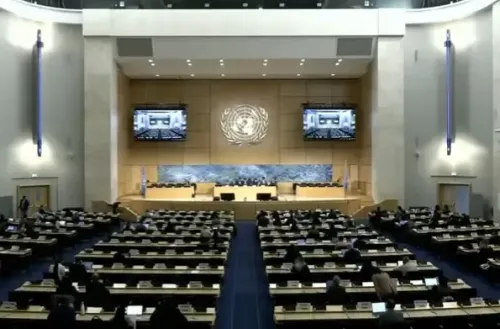
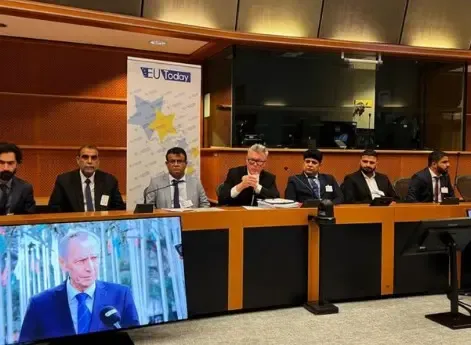
BNM Chairman Naseem Baloch led a delegation to the European Parliament in Brussels on 15 July to demand revocation of Pakistan's GSP+ trade status.
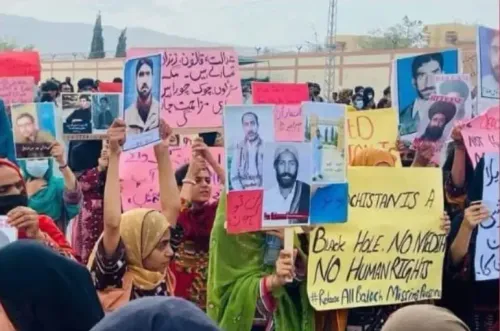
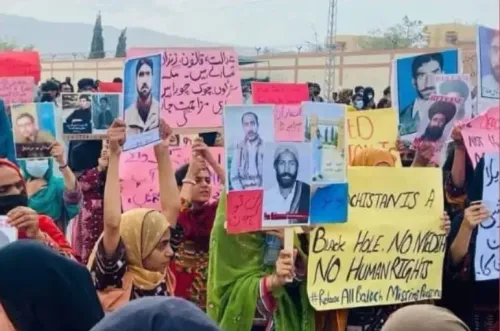
The delegation cited enforced disappearances, extrajudicial killings, arbitrary arrests, and collective punishment in Balochistan as violations of GSP+ treaty conditions.
Meetings were held with MEPs Bert-Jan Ruissen, Paolo Borchia, Matej Tonin , and Ozlem Demirel , as well as Jubilee Campaign officials.
The dossier specifically referenced life sentences handed to BYC leaders Mahrang Baloch and Sibghatullah Shah Ji .
A report last month found Pakistan continues to enjoy EU export benefits despite ongoing violations of human rights, labour, governance, and environmental standards.
A delegation led by Baloch National Movement (BNM) Chairman Naseem Baloch visited the European Parliament in Brussels on 15 July, pressing the European Union (EU) to withdraw Pakistan's preferential trade access under the Generalised Scheme of Preferences Plus (GSP+), citing systematic human rights violations in Balochistan. The delegation held talks with multiple Members of the European Parliament and advocacy officials, presenting a formal dossier on abuses it says disqualify Islamabad from continued eligibility under the scheme.
Key Demands and Allegations
In a statement shared on X on Wednesday, the BNM said the delegation 'expressed serious concern over the deteriorating human rights situation in Balochistan, highlighting enforced disappearances, extrajudicial killings, arbitrary arrests, collective punishment, and restrictions on fundamental freedoms.' The group argued these violations directly conflict with the international human rights treaties whose compliance is a binding condition for GSP+ eligibility.
The delegation formally urged the EU to conduct 'a comprehensive and impartial review of Pakistan's compliance with its GSP+ commitments and to revoke Pakistan's GSP+ status in light of the ongoing human rights abuses,' according to the BNM statement.
Who the Delegation Met
During the Brussels visit, the BNM delegation held discussions with MEPs Bert-Jan Ruissen, Paolo Borchia, Matej Tonin, and Ozlem Demirel. It also met officials from advocacy group Jubilee Campaign, including Ann Buwalda, Executive Director, and Hulda Fahmi, Communications Associate.
The dossier presented covered the broader human rights situation in Balochistan and specifically referenced the recent life sentences handed down to Baloch Yakjehti Committee (BYC) leaders Mahrang Baloch and Sibghatullah Shah Ji — a development that has drawn sharp criticism from rights groups.
Pakistan's GSP+ Record Under Scrutiny
This is not the first time Pakistan's GSP+ eligibility has come under challenge. A report published last month flagged that Pakistan continues to benefit from preferential access to European markets despite a sustained record of violations spanning human rights, labour standards, governance, and environmental commitments. Cited concerns include enforced disappearances, misuse of blasphemy laws, military court trials, persecution of minorities, child labour, and weak democratic oversight.
Critics argue that the gap between Pakistan's treaty obligations and ground realities in Balochistan has widened, not narrowed, since the country was granted GSP+ status — raising questions about the EU's enforcement mechanism.
What Happens Next
The BNM's push at the European Parliament signals a broader diplomatic effort to internationalise the Balochistan issue through trade accountability frameworks. Whether the EU acts on the delegation's demands will depend on its scheduled GSP+ compliance reviews and the political appetite among member states to apply conditionality. Any revocation would deal a significant blow to Pakistan's export economy, which relies heavily on preferential EU market access for textiles and other goods.
Point of View
Where leverage is real. The GSP+ framework carries genuine conditionality on paper, but the EU has historically been reluctant to revoke status from large trading partners, preferring dialogue over suspension. Pakistan's textile exports to Europe make revocation a high-stakes ask. What the delegation has done, however, is create a paper trail of MEP engagement that could feed into the EU's next formal GSP+ review — and that process, once triggered, is harder to quietly shelve than a diplomatic communiqué.
NationPress
15 Jul 2026
Frequently Asked Questions
What is the EU's GSP+ scheme and why does it matter for Pakistan?
The Generalised Scheme of Preferences Plus (GSP+ ) is an EU trade arrangement that grants preferential — often zero — tariff access to developing countries in exchange for implementing 27 international conventions on human rights, labour rights, environmental protection, and good governance. For Pakistan, it provides a critical advantage for textile and garment exports to European markets, making any revocation economically significant.
What specific violations did the BNM delegation raise with EU lawmakers?
The BNM presented a dossier covering enforced disappearances, extrajudicial killings, arbitrary arrests, collective punishment, and restrictions on fundamental freedoms in Balochistan. The delegation also highlighted the recent life sentences handed to Baloch Yakjehti Committee leaders Mahrang Baloch and Sibghatullah Shah Ji as emblematic of the broader crackdown.
Which MEPs met the Baloch delegation in Brussels?
The delegation held discussions with MEPs Bert-Jan Ruissen, Paolo Borchia, Matej Tonin, and Ozlem Demirel. It also met Jubilee Campaign Executive Director Ann Buwalda and Communications Associate Hulda Fahmi.
Has Pakistan's GSP+ status been challenged before?
Yes. Reports have periodically flagged Pakistan's non-compliance, including concerns over blasphemy law misuse, military court trials, minority persecution, child labour, and weak democratic governance. A report published last month specifically noted that Pakistan continues to enjoy GSP+ benefits despite a sustained track record of violations across multiple treaty areas.
What would happen if the EU revokes Pakistan's GSP+ status?
Revocation would end Pakistan's preferential tariff access to EU markets, significantly raising the cost of its exports — particularly textiles, which form a large share of its trade with Europe. It would also carry diplomatic and reputational consequences, signalling formal EU censure of Islamabad's human rights record.