Baloch Student Council condemns Pakistan's Chagai nuclear test anniversary
Synopsis
As Pakistan marked 27 years since its Chagai nuclear tests, the Baloch Student Council and diaspora groups staged global protests, calling the anniversary a symbol of colonial oppression rather than national pride — and demanding international recognition of what they describe as a 'slow-moving genocide' against the Baloch people.
Key Takeaways
The Baloch Student Council (BSC) condemned Pakistan's celebration of the 28th anniversary of the Chagai nuclear tests on 28 May 2025 .
The BSC alleged the 1998 tests were conducted without consent of the indigenous population of Chagai, Balochistan , causing lasting environmental and social harm.
The group described the date as a reminder of 'occupation, militarisation, and the continued suffering of the Baloch nation.' Tara Chand , President of the Baloch American Congress , called on the world to recognise Pakistan as a 'reactionary and terrorist state' and demanded withdrawal of its nuclear weapons.
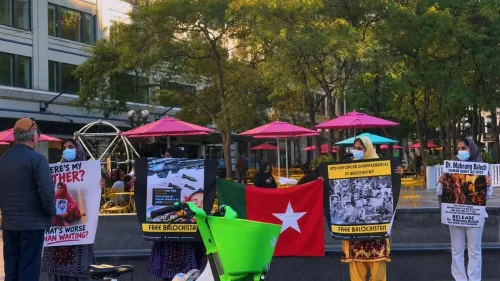
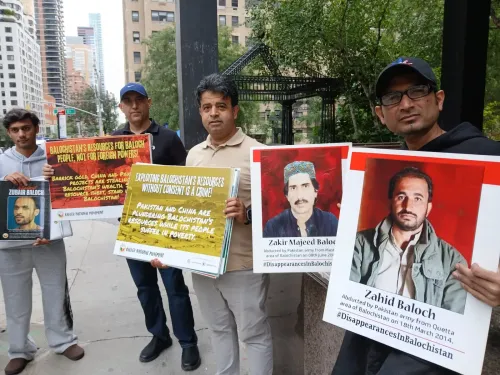
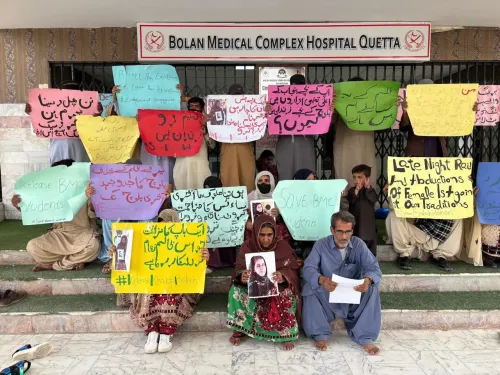
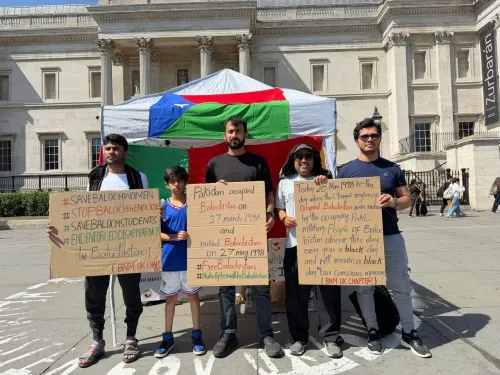
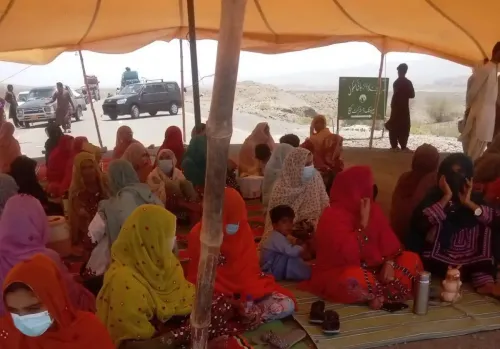
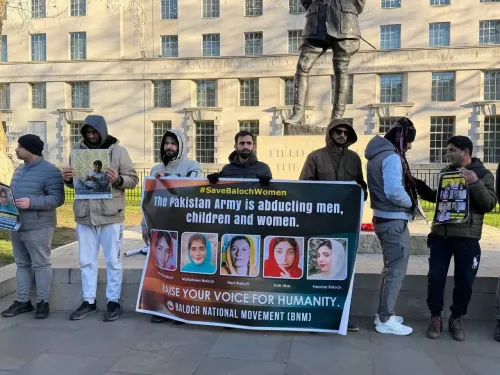
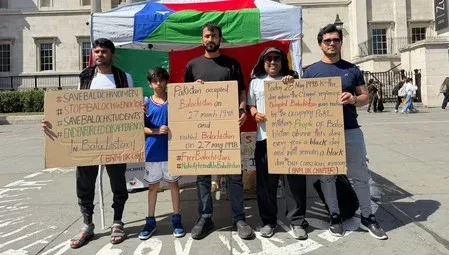
Peaceful protests and awareness campaigns were held by Baloch activists across multiple countries on the anniversary.
A prominent Baloch student organisation has sharply condemned Pakistan's official celebrations marking the 28th anniversary of nuclear tests conducted in Balochistan's Chagai district, asserting that 28 May represents not a national triumph but a day of profound suffering, displacement, and identity erasure for the Baloch people. Peaceful protests and awareness campaigns were held by Baloch activists across multiple countries on 28 May 2025, coinciding with the anniversary of the original tests conducted on 28 May 1998.
What the Baloch Student Council Said
The Baloch Student Council (BSC), representing Islamabad and Punjab provinces, issued a strongly worded statement as its awareness campaign concluded. 'As the campaign of 28 May reaches its conclusion, we once again remind the world that this date is not a celebration for the Baloch nation but a painful reminder of occupation, militarisation, and the continued suffering of the Baloch nation,' the BSC stated.
The organisation alleged that the nuclear tests were imposed on the indigenous Chagai population without their consent, effectively turning the region into a testing ground while the rights and voices of the Baloch people were disregarded. The BSC argued that Balochistan has consistently borne the consequences of policies enacted in the name of national interest, leaving its people marginalised on their own land.
Allegations of Colonisation and Systematic Oppression
The BSC's statement did not stop at the nuclear tests. 'May 28 stands as a reminder of how Balochistan has been treated as a colony rather than a homeland of its people,' it said, adding that 'the ongoing displacement of the Baloch nation, exploitation of resources, demographic engineering and silencing of dissent reflect a broader pattern of oppression that many Baloch identify as a slow-moving genocide.'
The group expressed gratitude to students, activists, journalists, and human rights defenders who participated in the awareness campaign. 'The struggle for truth, justice, dignity, and national survival will continue beyond this day. No amount of propaganda can erase the pain carried by generations of Baloch people, nor can it silence a nation determined to resist oppression and preserve its identity,' the BSC added.
Baloch American Congress Calls for Nuclear Disarmament
Tara Chand, President of the Baloch American Congress, described 28 May as a 'dark day in the history of Balochistan.' In a post on social media platform X, Chand called on the international community to recognise Pakistan as a 'reactionary and terrorist state' and demanded the withdrawal of its nuclear weapons. Chand also cited mental health consequences, stating that 'one-third of the population suffers from mental illnesses' in Pakistan, and appealed to the world to act on the nuclear question.
Broader Context and What's Next
The Chagai nuclear tests of 1998 were Pakistan's response to India's Pokhran-II tests and were celebrated domestically as a demonstration of strategic parity. However, Baloch rights groups have long contended that the tests caused lasting environmental damage and accelerated militarisation of the region. This is the latest in a series of annual condemnations by Baloch diaspora and student organisations, which have grown increasingly coordinated across international platforms. The protests signal that the Baloch grievance narrative is gaining organised global visibility, even as Islamabad continues to frame the tests as a sovereign achievement.
Point of View
But the annual Baloch condemnation campaigns are becoming harder to dismiss as fringe dissent. The BSC's 'slow-moving genocide' framing, now amplified through organised global protests and diaspora lobbying, is a deliberate attempt to internationalise what Islamabad treats as a domestic law-and-order issue. The invocation of nuclear disarmament by the Baloch American Congress is unlikely to gain traction in non-proliferation forums, but it signals an escalation in the rhetorical register. What mainstream coverage misses is the cumulative effect: each anniversary protest is more coordinated than the last, and the Baloch narrative is steadily entering the vocabulary of human rights institutions that Pakistan cannot easily ignore.
NationPress
12 Oct 2026
Frequently Asked Questions
Why are Baloch groups protesting Pakistan's nuclear test anniversary?
Baloch organisations argue that the 1998 Chagai nuclear tests were conducted without the consent of the indigenous Baloch population, causing environmental destruction, forced militarisation, and the marginalisation of local communities. They view the anniversary as a symbol of oppression rather than national achievement.
What is the Baloch Student Council demanding?
The Baloch Student Council has called on the global community to acknowledge the suffering caused by the Chagai nuclear tests and has vowed to continue its campaign for truth, justice, and the preservation of Baloch identity. The group frames its struggle as resistance against what it describes as colonial treatment of Balochistan.
Who is Tara Chand and what did he say?
Tara Chand is the President of the Baloch American Congress. In a post on X, he described 28 May as a 'dark day in the history of Balochistan' and called on the international community to recognise Pakistan as a 'reactionary and terrorist state' and demand the withdrawal of its nuclear weapons.
When were the Chagai nuclear tests conducted?
Pakistan conducted nuclear tests in the Chagai district of Balochistan on 28 May 1998, in response to India's Pokhran-II tests. The tests were celebrated in Pakistan as a demonstration of strategic capability but have been condemned by Baloch rights groups ever since.
What is the Baloch American Congress?
The Baloch American Congress is a diaspora advocacy organisation based in the United States that campaigns for the rights of the Baloch people and raises awareness about alleged human rights violations in Balochistan on international platforms.