Balochistan doctors' strike hits Day 21, thousands stranded in Quetta
Synopsis
A doctors' strike in Balochistan has stretched to 21 days over an acid attack on a female doctor — and the provincial government's silence is making it worse. With outpatient services shut across Quetta's public hospitals and over 30 doctors facing disciplinary action for protesting, the standoff has become a flashpoint for Pakistan's wider crisis of violence against women and institutional accountability.
Key Takeaways
Doctors in Balochistan have been on strike for 21 consecutive days as of 29 June , over an acid attack on Dr Mah Noor Nasir at Sandeman Civil Hospital, Quetta .
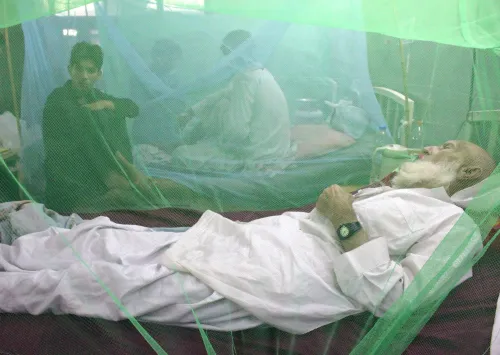
Outpatient services remain suspended, leaving thousands of patients — including elderly, women, and children — without medical care.
The Pakistan Medical Association (PMA) Quetta Zone and Young Doctors Association are demanding a transparent judicial inquiry and removal of the health secretary and medical superintendent pending the probe.
The Balochistan government has reportedly suspended and initiated disciplinary proceedings against more than 30 senior doctors and officers .
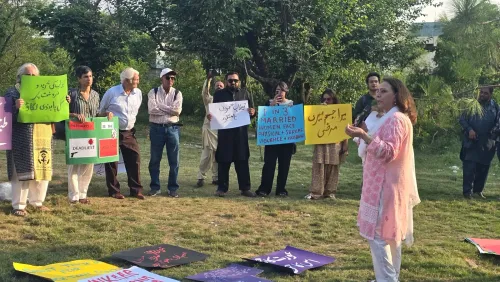
Aurat March held a solidarity protest outside the Islamabad Press Club on 17 June ; activist Farzana Bari condemned the state's failure to protect women.
A PMA general body meeting and a protest rally at Civil Hospital Quetta are scheduled to decide the next course of action.
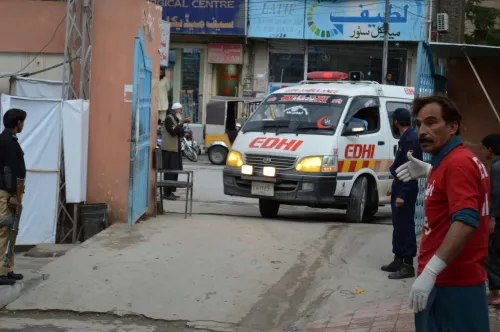
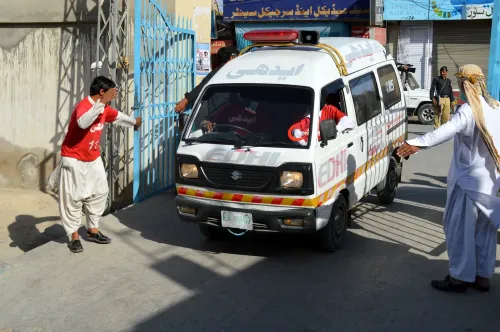
A doctors' strike in Pakistan's Balochistan province entered its 21st consecutive day on 29 June, leaving thousands of patients without outpatient medical care as physicians protest the acid attack on female doctor Mah Noor Nasir at Sandeman Civil Hospital in Quetta. The walkout, one of the longest sustained medical strikes in Balochistan's recent history, has exposed deep fault lines between the provincial government and its medical workforce.
State of Services
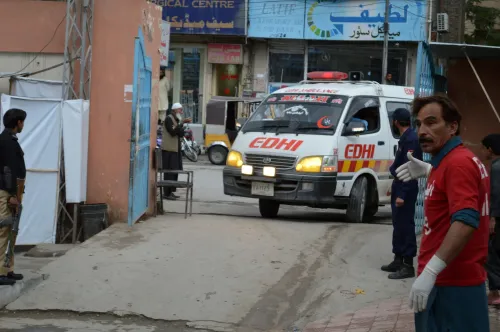
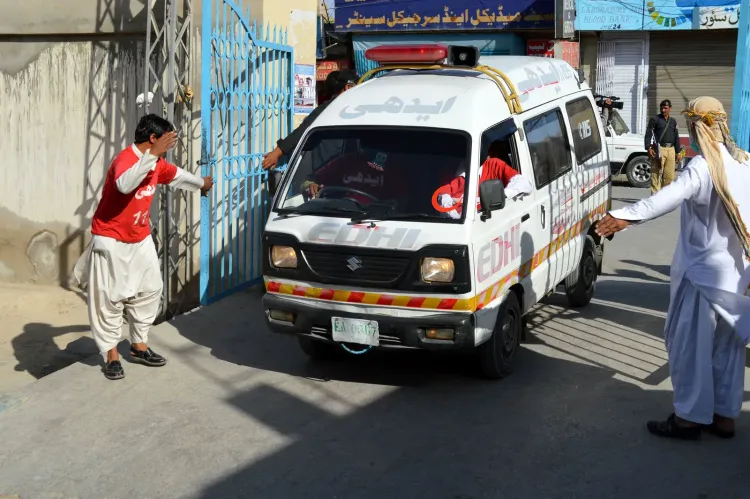
The strike is led jointly by the Pakistan Medical Association (PMA) Quetta Zone and the Young Doctors Association. Emergency units, operation theatres, and dialysis facilities have continued to function, but outpatient services remain suspended. As a result, thousands of elderly patients, women, and children have been turned away from government hospitals without treatment, according to reports.
What the Doctors Are Demanding
A PMA Quetta Zone spokesperson expressed concern over the absence of any meaningful progress in the investigation into the acid attack. The association has demanded a transparent and impartial judicial inquiry into the incident. It has also called for the immediate removal of the provincial health secretary and the medical superintendent of Civil Hospital Quetta pending the inquiry's completion, to prevent interference with proceedings.
The PMA has sharply criticised the Balochistan government for suspending and initiating disciplinary action against more than 30 senior doctors and officers, calling the move unjust and an insult to the entire medical fraternity. The association contends that the government has neither acted against the perpetrators nor genuinely addressed doctors' demands.
Next Steps by the Association
PMA members are scheduled to hold a general body meeting at Civil Hospital Quetta to chart the future course of action. A protest rally is also planned at the hospital on Tuesday. The association has formally urged the Balochistan Chief Minister, chief secretary, provincial health minister, and chief justice to intervene and resolve the standoff.
Wider Outrage Over Violence Against Women
The acid attack has triggered a broader national conversation about violence against women in Pakistan. On 17 June, women's rights movement Aurat March staged a protest outside the Islamabad Press Club, with human rights activists, political leaders, and representatives of social organisations expressing solidarity with the victim.
Prominent human rights activist and Aurat March leader Farzana Bari warned of a deepening crisis. 'Too many incidents of violence against women are surfacing each day, showing us that this country is becoming like a graveyard for women, and the state and state institutions are completely failing to provide protection to us,' Bari was quoted as saying. She also questioned the circumstances surrounding the perpetrator's death, stating that the police's role is to arrest, not to kill, and calling the outcome unnecessary. The strike shows no sign of ending until the government responds concretely to the association's demands.
Point of View
The burden falls hardest on those least able to seek private alternatives. The PMA's demand for the removal of the health secretary and medical superintendent is not procedurally unusual in cases of suspected institutional cover-up — the government's refusal to engage with even that limited ask signals either complicity or paralysis, neither of which is acceptable.
NationPress
27 Sept 2026
Frequently Asked Questions
Why are doctors on strike in Balochistan?
Doctors in Balochistan have been on strike since early June to protest an acid attack on female doctor Mah Noor Nasir at Sandeman Civil Hospital in Quetta. The Pakistan Medical Association Quetta Zone and the Young Doctors Association launched the walkout demanding a transparent judicial inquiry and government accountability.
What medical services are affected by the Balochistan doctors' strike?
Outpatient services across public hospitals in Quetta remain suspended, forcing thousands of patients — including elderly people, women, and children — to return home without treatment. Emergency units, operation theatres, and dialysis services continue to function.
What are the doctors' key demands?
The doctors are demanding a transparent and impartial judicial inquiry into the acid attack on Dr Mah Noor Nasir, the removal of the provincial health secretary and the medical superintendent of Civil Hospital Quetta until the inquiry is complete, and an end to disciplinary action against the more than 30 doctors who have been suspended.
What has the Balochistan government done in response?
According to the PMA, the Balochistan government has neither acted against the perpetrators of the acid attack nor meaningfully addressed doctors' demands. It has instead suspended and initiated disciplinary proceedings against more than 30 senior doctors and officers, a move the PMA has called unjust.
Who is Farzana Bari and what did she say about the incident?
Farzana Bari is a prominent human rights activist and leader of the Aurat March movement. At a protest outside the Islamabad Press Club on 17 June, she warned that Pakistan was 'becoming like a graveyard for women' and criticised the state for failing to protect women in their homes, on streets, and in workplaces.