Balochistan doctors to protest on June 12 over acid attack, security demands
Synopsis
Balochistan's doctors are moving from condemnation to confrontation. After an acid attack on a female colleague at a Quetta government hospital went unaddressed, the YDA has called a province-wide OPD boycott and a street rally — framing the crisis as both a professional failure and an assault on tribal values. The government's response in the next 24 hours will be telling.
Key Takeaways
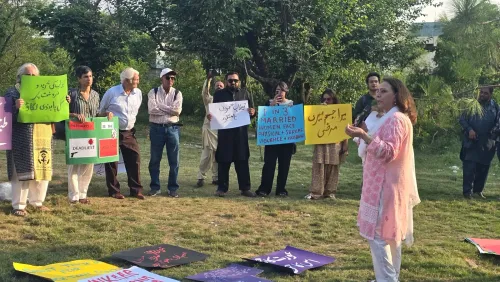
Young Doctors Association (YDA) President Dr Hai Baloch announced a protest rally on 12 June from Sheikh Zayed Hospital to Quetta Press Club .
Doctors will boycott OPDs across all government hospitals in Balochistan ; emergency, trauma, and gynaecology services will continue.
The protests follow an acid attack on Dr Mah Noor Naseer at Sandeman Civil Hospital, Quetta on 6 June .
The Human Rights Council of Pakistan condemned the attack as a 'grave security failure' and demanded prosecution under anti-terrorism clauses .
The YDA is demanding a judicial commission probe and immediate security upgrades for doctors and hospitals.
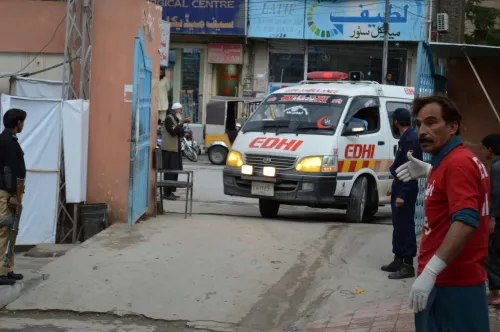
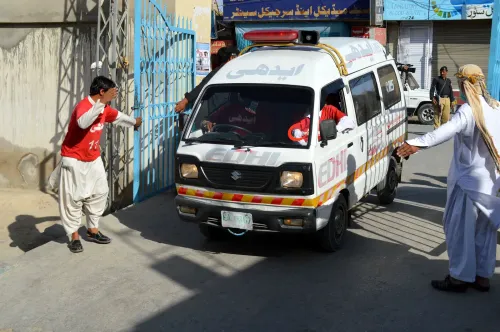
Doctors in Balochistan are set to take to the streets on 12 June after the Young Doctors Association (YDA) announced a protest rally and OPD boycott across all government hospitals in the province, demanding accountability for the acid attack on Dr Mah Noor Naseer and urgent security reforms. The announcement was made at a press conference outside Civil Sandeman Hospital, Quetta, by YDA President Dr Hai Baloch.
What the YDA Has Demanded
Dr Hai Baloch criticised the Pakistani government for what he described as a lack of seriousness toward the medical community's concerns, saying the government's 'inappropriate behaviour' had left doctors with no alternative but to protest. He called for the formation of a judicial commission to investigate the incident at Civil Hospital Quetta and demanded immediate steps to strengthen security for doctors and hospital premises.
The rally is scheduled to march from Sheikh Zayed Hospital to the Quetta Press Club on 12 June. The YDA also announced a boycott of outpatient departments (OPDs) and other services across all government hospitals in Balochistan, though emergency units, trauma centres, and gynaecology wards will continue to function.
The Acid Attack That Triggered the Crisis
The protests stem from a June 6 acid attack on Dr Mah Noor Naseer, a female doctor who was targeted while on duty at Sandeman Civil Hospital in Quetta. The incident drew swift and sharp condemnation from the Human Rights Council (HRC) of Pakistan, which described it as a 'barbaric and regrettable' assault and a 'grave security failure.'
'A woman associated with such a sacred profession, engaged in serving humanity and saving lives, to be targeted with such brutal violence right at her workplace is not only a slap in the face to the medical community but also to the entire society and humanity,' the HRC said in a statement.
Rights Body Calls for Anti-Terrorism Prosecution
The Human Rights Council of Pakistan urged the Balochistan government, the Health Department, and police authorities to arrest those responsible without delay and prosecute them under anti-terrorism clauses, seeking what it called 'the harshest exemplary punishment' under the law. The Council also demanded that Dr Mah Noor Naseer receive the best available medical treatment at government expense.
Notably, Dr Hai Baloch framed the attack in cultural as well as professional terms, stating: 'The attack on Dr Mah Noor Naseer is an assault on the values of our tribal society.' This framing signals that the outrage extends beyond the medical fraternity into broader community sentiment in Balochistan.
What Happens Next
With the OPD boycott set to begin on 12 June, patients at government hospitals across Balochistan could face significant disruption to routine healthcare services. The YDA's decision to maintain emergency and gynaecology services suggests a calibrated escalation, leaving room for negotiation while maximising pressure on authorities. Whether the provincial government moves to address the demands before the rally will determine how far the standoff escalates.
Point of View
A one-day rally risks becoming a prolonged standoff that ultimately harms patients most. The HRC's demand for prosecution under anti-terrorism law is significant — if pursued, it would set a legal precedent for attacks on healthcare workers in Pakistan.
NationPress
25 Oct 2026
Frequently Asked Questions
Why are doctors in Balochistan protesting on June 12?
Doctors in Balochistan are protesting on 12 June over the government's failure to act on their security demands following an acid attack on Dr Mah Noor Naseer at Sandeman Civil Hospital in Quetta on 6 June. The Young Doctors Association has also announced an OPD boycott across all government hospitals in the province.
What happened to Dr Mah Noor Naseer?
Dr Mah Noor Naseer, a female doctor, was attacked with acid while on duty at Sandeman Civil Hospital in Quetta on 6 June. The Human Rights Council of Pakistan condemned the incident as a 'barbaric' and 'cowardly assault' and called for the perpetrators to be prosecuted under anti-terrorism clauses.
What are the YDA's key demands?
The Young Doctors Association is demanding the formation of a judicial commission to investigate the Civil Hospital Quetta incident, immediate security improvements for doctors and hospital premises, and the arrest and prosecution of those responsible for the acid attack.
Will emergency services be affected by the OPD boycott?
No. The YDA has stated that emergency units, trauma centres, and gynaecology wards will continue to function during the boycott. Only outpatient departments and routine services at government hospitals across Balochistan will be suspended.
What has the Human Rights Council of Pakistan said about the attack?
The Human Rights Council of Pakistan called the acid attack on Dr Mah Noor Naseer a 'grave security failure' and urged the Balochistan government, Health Department, and police to immediately arrest those responsible and prosecute them under anti-terrorism law. It also demanded that the injured doctor receive full medical care at government expense.