Acid attacks on women in Pakistan: Systemic failures behind a recurring crisis
Synopsis
Pakistan records roughly 80 acid attacks on women each year — and experts say even that figure is an undercount. From a hospital in Quetta to a graveyard in Karachi, the pattern is the same: preventable violence, a law that doesn't regulate acid sales, and a state that repeatedly fails to act before women are mutilated.
Key Takeaways
Dr Mahnoor Nasir , a physician at Quetta's Civil Hospital , suffered burns to 70 per cent of her body in an acid attack on 6 June 2026 .
A 17-year-old girl in Ghotki district was attacked by her cousin on 3 June 2026 over a family mobile phone dispute.
Pakistan records an estimated 80 acid attacks annually , a figure experts believe is significantly underreported.
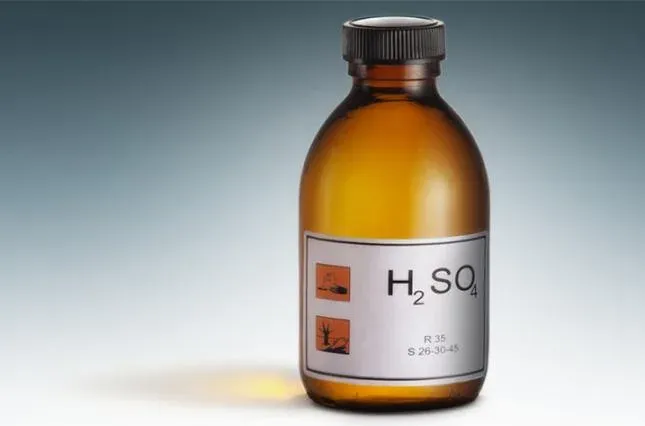
Acid remains available at chemist shops in Pakistan for as little as Pakistani Rs 80 , with no effective regulatory controls on its sale.
Pakistan's Criminal Law (Amendment) Bill 2011 focused on prosecuting perpetrators but failed to mandate victim rehabilitation or restrict acid access.
Pakistan's Young Doctors Association condemned 'inadequate security arrangements' following the attack inside a medical institution.
Acid violence against women in Pakistan persists as a symptom of deep-rooted societal and institutional failures, with the state repeatedly unable to enforce its own laws or protect women from what analysts describe as a culture of patriarchal control enforced through mutilation, according to a report published in the Sri Lankan newspaper Daily Mirror.
A Pattern of Violence, Not Isolated Incidents
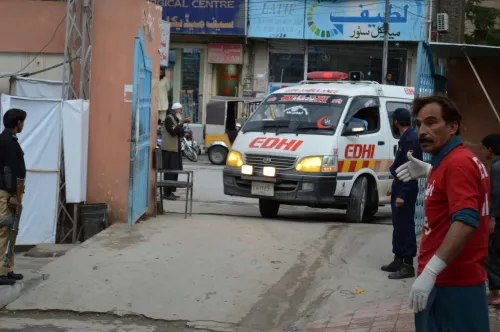
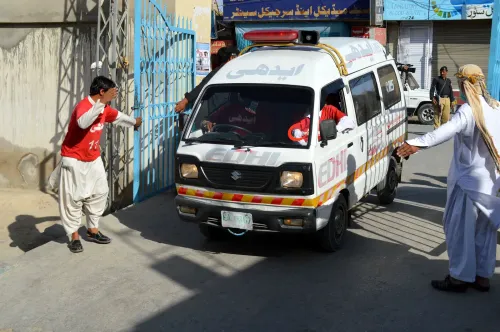
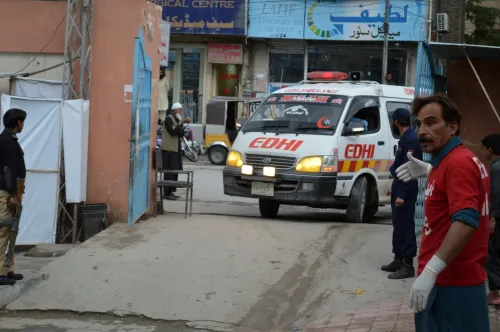
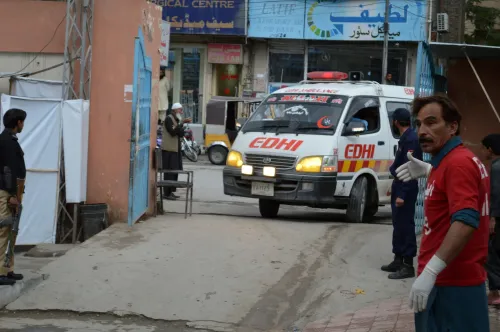
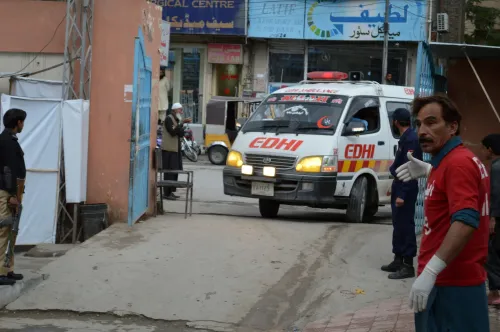
On 6 June 2026, Dr Mahnoor Nasir, a young physician at Quetta's Civil Hospital, was attacked with acid while on duty. According to the report, 70 per cent of her body was burned — her face, chest, and legs mutilated within seconds. The assailant, a hospital employee responsible for operating the lift, knocked on her door and hurled acid when she stepped out. He fled the scene but was later killed in a police encounter.
Pakistan's Young Doctors Association strongly condemned the 'inadequate security arrangements' that allowed such an attack to occur inside a medical institution. The case, however, was far from exceptional.
On 3 June 2026, a 17-year-old girl in Ghotki district was attacked by her cousin, Miandad Mahar, reportedly because he objected to her family owning a mobile phone. She suffered severe burns to her face, eyes, chest, and arms. In January 2024, a schoolteacher in Lahore was disfigured after two men threw acid on her face following her parents' rejection of a marriage proposal.
Recent Cases Across Pakistan
The report catalogued a disturbing series of incidents. In May 2024, a policewoman in Karachi was critically injured when her husband hurled acid on her near a graveyard, leaving her with 33 per cent burns. In August 2025, Shazia Bibi, a 32-year-old woman in Bahawalpur, was attacked by a neighbour during a property dispute. In June 2025, a man named Basharat Ali from Okara threw acid on his mother-in-law and her teenage son, reportedly blaming her for his failed marriage.
The report characterised acid as 'a weapon of patriarchal vengeance, ego, and control', used to punish women for rejecting advances, resisting oppression, or asserting autonomy.
Legislative Response Described as Woefully Inadequate
Pakistan's Criminal Law (Amendment) Bill 2011 was presented as a legislative milestone at the time of its passage, but critics argue it has failed on its most basic objectives. Acid remains available at chemist shops across the country for as little as Pakistani Rs 80, with no effective regulatory controls on its sale. The law, according to the report, focused primarily on penalising perpetrators while neglecting victim rehabilitation — leaving families to bear the 'crushing financial, psychological, and emotional burden' of long-term treatment and recovery.
Scale of the Problem and Underreporting
Pakistan records an estimated 80 acid attacks annually, according to the most recent available figures cited in the report. However, experts caution that this number is likely a significant undercount, given the stigma attached to such attacks, weak reporting mechanisms, and gaps in official data tracking. Attacks are frequently preceded by threats, harassment, or rejected marriage proposals — warning signs that authorities have consistently failed to act upon, the report argued.
As calls grow for stricter acid sale regulations and state-funded victim support, the recurring nature of these cases raises urgent questions about political will and institutional accountability in Pakistan.
Point of View
The state has not fixed either problem. The underreporting figure is arguably the most damning detail: if official counts already show 80 attacks a year and experts say the real number is higher, then the political response has been calibrated to a fraction of the actual crisis. Until acid sale regulation and victim rehabilitation are treated as non-negotiable state obligations — not afterthoughts — the pattern of mutilation as social control will continue.
NationPress
23 Sept 2026
Frequently Asked Questions
What happened to Dr Mahnoor Nasir in Quetta?
Dr Mahnoor Nasir, a young physician, was attacked with acid while on duty at Quetta's Civil Hospital on 6 June 2026. Seventy per cent of her body was burned, with her face, chest, and legs severely mutilated. The attacker, a hospital employee, was later killed in a police encounter after fleeing the scene.
How many acid attacks are reported in Pakistan each year?
Pakistan records an estimated 80 acid attacks annually, according to the most recent figures cited in the report. Experts caution this number is likely a significant undercount due to social stigma, weak reporting systems, and gaps in official data tracking.
Why has Pakistan's 2011 acid attack law been criticised?
The Criminal Law (Amendment) Bill 2011 focused on penalising perpetrators but did not regulate the sale of acid, which remains available at chemist shops for as little as Pakistani Rs 80. Critics argue the law also neglected victim rehabilitation, leaving families to bear the full financial and psychological burden of recovery.
Who are some of the other recent acid attack victims in Pakistan?
Recent cases include a 17-year-old girl in Ghotki attacked by her cousin in June 2026, a Lahore schoolteacher disfigured in January 2024 after a rejected marriage proposal, a Karachi policewoman left with 33 per cent burns by her husband in May 2024, and Shazia Bibi in Bahawalpur attacked during a property dispute in August 2025.
Why do acid attacks in Pakistan often go unreported?
Experts attribute underreporting to the social stigma faced by survivors, weak and inconsistent reporting mechanisms at the local level, and gaps in official data collection systems. Many victims and their families also fear further retaliation or social ostracism if they come forward.