Quetta doctors suspend emergency services after protest blocked in Balochistan
Synopsis
Quetta's Young Doctors Association has suspended all emergency hospital services after police blocked their protest sit-in — a protest itself sparked by an acid attack on a female doctor inside a hospital. With critically ill patients now caught in the crossfire, the standoff exposes a deeper crisis: the failure of Pakistan's state institutions to protect women, even within hospital walls.
Key Takeaways
The Young Doctors Association (YDA) in Quetta announced suspension of all emergency and routine medical services on 1 July .
The boycott was triggered after authorities blocked a planned YDA sit-in near the Red Zone in Balochistan's capital.
Underlying grievance: an acid attack on Dr Mah Noor Nasir at Sandeman Civil Hospital, Quetta .
Police allegedly manhandled protesting doctors; authorities denied the claim, saying only roads and hospital gates were blocked.
YDA chairman Dr Hafeez said doctors are open to talks; Dr Bahar Shah declared a complete medical services boycott.
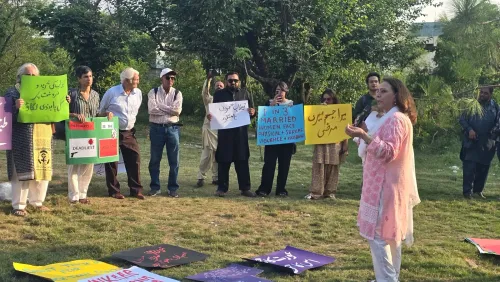
Activist Farzana Bari of Aurat March condemned the broader pattern of violence against women at a 17 June protest in Islamabad .
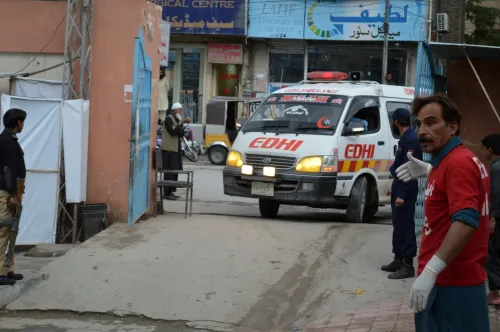
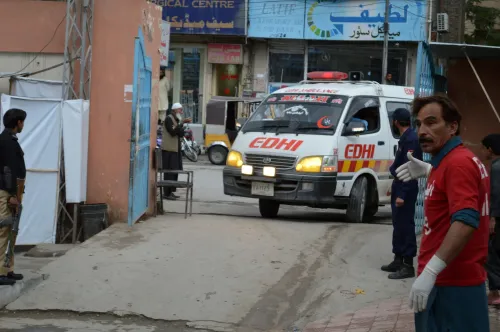
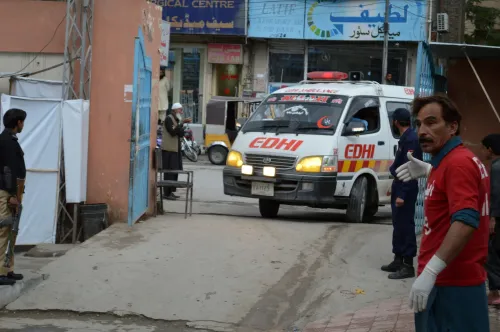
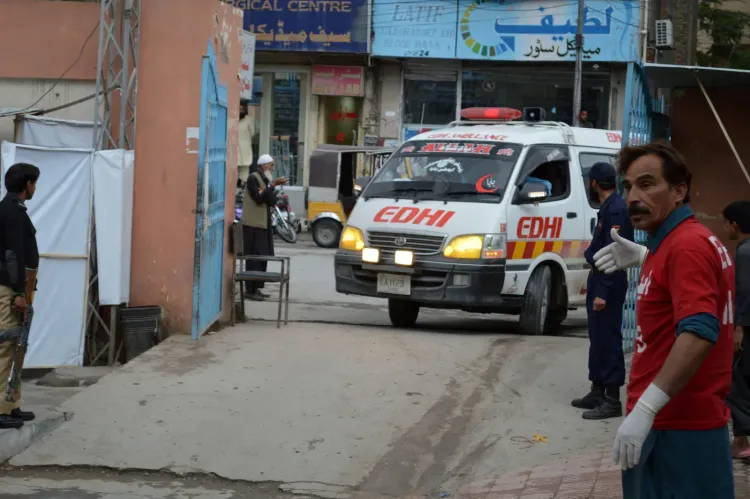
Young doctors in Quetta announced the suspension of all emergency and routine medical services at public hospitals, including Civil Hospital Quetta, on 1 July after authorities blocked their planned sit-in protest in the Red Zone of Balochistan's provincial capital. The action, declared by the Young Doctors Association (YDA), has left critically ill patients facing uncertainty at a time of deepening friction between the medical community and the government.
Background: Protest Over Acid Attack on Female Doctor
The demonstrations stem from an acid attack on a female doctor inside a hospital in Quetta. The victim, Dr Mah Noor Nasir, was attacked at Sandeman Civil Hospital, triggering widespread outrage among the medical fraternity and civil society across Pakistan. Doctors have been demanding accountability and improved safety measures for healthcare workers.
How the Protest Unfolded
The YDA leadership had earlier announced a sit-in near the Red Zone to press their demands, according to Pakistani daily Dawn. Ahead of the planned demonstration, local authorities deployed heavy police contingents at all gates of Civil Hospital and blocked roads leading to the Red Zone. Despite the restrictions, doctors managed to reach Anscomb Road and attempted to break through the police blockade but were turned back. They held a protest and raised slogans against the government before being dispersed.
Doctors alleged that police manhandled some of their colleagues during the confrontation. Local authorities denied the allegation, stating they had only blocked roads and hospital gates.
What the YDA Leadership Said
YDA Supreme Council chairman Dr Hafeez condemned the authorities for stopping what he described as a peaceful protest. 'Although the protesting doctors were carrying no weapons, we were not allowed to march towards the Red Zone,' he said, according to Dawn. Hafeez also voiced concern over the suspension of Grade-19 and Grade-20 doctors over the past two years and raised the unresolved accountability issue surrounding the August 8 lawyers' tragedy. He added that the doctors remained open to dialogue with the government and would announce their next course of action after internal consultation.
YDA leader Dr Bahar Shah announced the complete boycott of all medical services, including emergency care. 'In the current situation, we cannot continue working in hospitals,' Shah said, claiming the system was being used to shield certain officials, forcing doctors into a corner.
Wider Outcry Over Violence Against Women
The attack on Dr Mah Noor Nasir has drawn condemnation well beyond the medical community. On 17 June, the women's rights movement Aurat March staged a protest outside the Islamabad Press Club, with human rights activists, political leaders, and civil society representatives expressing solidarity with the victim. Prominent activist and Aurat March leader Farzana Bari described the situation as alarming. 'Too many incidents of violence against women are surfacing each day, showing us that this country is becoming like a graveyard for women, and the state and state institutions are completely failing to provide protection to us,' Bari was quoted as saying by Pakistani digital platform Voicepk.net. She also raised concerns about the manner in which the alleged attacker was killed by police, arguing that courts — not extrajudicial action — should determine punishment.
Impact on Patients and What Comes Next
The suspension of emergency services has raised serious concerns among the public in Quetta, with critically ill patients arriving at hospitals facing an uncertain situation. The YDA has indicated it will hold consultations before announcing further steps, leaving open the possibility of either escalation or negotiated resolution. All eyes are now on whether the Balochistan government moves to address the doctors' core demands — accountability for the acid attack and broader protections for healthcare workers.
Point of View
The state has already lost the argument. The acid attack on Dr Mah Noor Nasir inside a hospital — supposedly one of the safest public spaces — is not an isolated incident but part of a documented pattern of violence against women that Pakistan's law enforcement and judiciary have repeatedly failed to address. The police's decision to block a peaceful protest rather than engage with legitimate grievances has only deepened the crisis. The real question is not whether the doctors will return to work, but whether the Balochistan government has the political will to deliver accountability — something it has conspicuously avoided so far.
NationPress
30 Sept 2026
Frequently Asked Questions
Why have doctors in Quetta suspended emergency services?
Doctors affiliated with the Young Doctors Association (YDA) suspended all emergency and routine medical services on 1 July after authorities blocked their planned sit-in protest near the Red Zone in Quetta. The underlying cause is an acid attack on a female doctor, Dr Mah Noor Nasir, inside Sandeman Civil Hospital, for which the doctors are demanding accountability.
What happened during the Quetta doctors' protest?
Police deployed heavy contingents at Civil Hospital gates and blocked roads to the Red Zone ahead of the planned sit-in. Doctors reached Anscomb Road and attempted to break through the police blockade but were turned back. Some doctors alleged they were manhandled by police; authorities denied this, saying only roads and gates were blocked.
Who is Dr Mah Noor Nasir and what happened to her?
Dr Mah Noor Nasir is a female doctor who was attacked with acid inside Sandeman Civil Hospital in Quetta. Her case sparked widespread outrage, prompting protests by the YDA and civil society groups including Aurat March, which held a demonstration outside the Islamabad Press Club on 17 June.
What are the YDA's demands from the government?
The YDA is demanding accountability for the acid attack on Dr Mah Noor Nasir, an end to the suspension of Grade-19 and Grade-20 doctors, and justice for victims of the August 8 lawyers' tragedy. YDA chairman Dr Hafeez has said the doctors are willing to hold talks with the government before announcing their next course of action.
How has the emergency services suspension affected patients in Quetta?
The boycott of emergency and routine services at public hospitals, including Civil Hospital Quetta, has left critically ill patients facing uncertainty. With no resolution in sight as of 1 July, the situation poses a serious public health risk in Balochistan's provincial capital.