Acid attack on Quetta doctor fuels outcry over Pakistan's unregulated acid sales
Synopsis
A hospital employee allegedly threw acid on a 29-year-old doctor inside a government hospital in Quetta — and the fallout has exposed a glaring regulatory gap: corrosive acids remain freely available in Pakistan's informal markets despite a decade of legal reform. With doctors boycotting OPDs and the Human Rights Council demanding prosecution under anti-terrorism law, this case has become a flashpoint for Pakistan's unresolved battle against chemical violence targeting women.
Key Takeaways
Dr Mahnoor Nasir , 29 , was allegedly attacked with acid by a hospital employee inside Civil Hospital, Quetta on 5 June .
She sustained burns to approximately 13 per cent of her body and was airlifted to Karachi for specialised treatment; her eyesight reportedly remains intact.
Rights activist Riffat Ayesha warned that corrosive acids are freely sold in informal Pakistani markets despite a decade of legal reforms , with no state-mandated buyer verification system in place.
The Young Doctors Association (YDA) announced a boycott of OPDs across all government hospitals in Balochistan and demanded a judicial commission to probe the attack.
The Human Rights Council of Pakistan called for prosecution of perpetrators under anti-terrorism clauses and demanded government-funded medical care for Dr Nasir.
An acid attack on a female doctor at a government hospital in Quetta, Balochistan, has reignited a fierce national debate over the unchecked availability of corrosive chemicals in Pakistan's informal markets, with rights activists warning that a decade of legal reforms has done little to curb gender-based chemical violence. The incident, which occurred on 5 June, has drawn condemnation from medical associations, human rights bodies, and civil society groups across the country.
What Happened at Civil Hospital Quetta
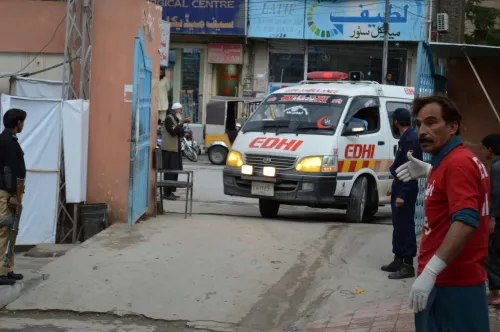
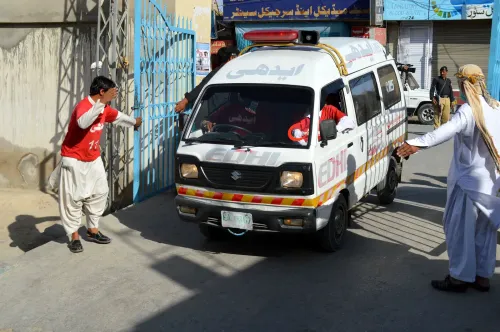
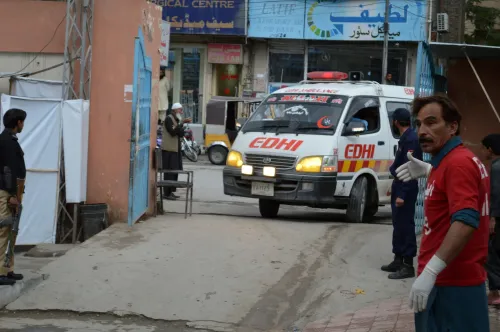
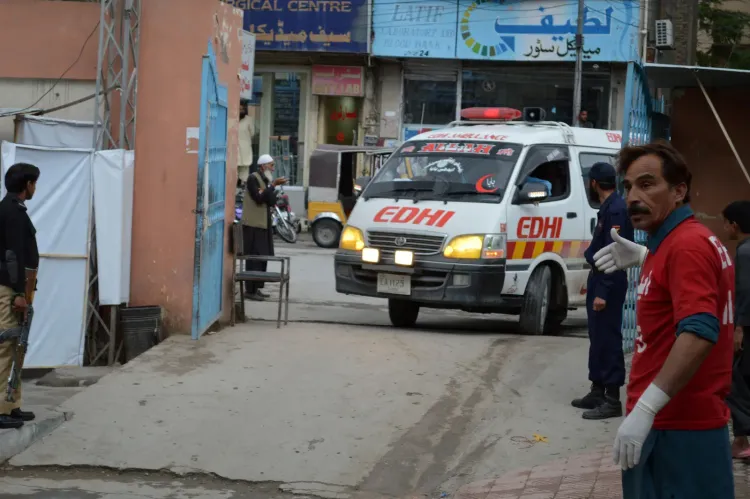
Dr Mahnoor Nasir, 29, was allegedly attacked by a hospital employee who threw acid on her inside a ward at Civil Hospital, Quetta on 5 June, according to police and hospital authorities. Following initial treatment in Quetta, she was airlifted to a hospital in Karachi for specialised care. Hospital sources said she sustained burns to approximately 13 per cent of her body, including injuries to her face, abdomen, thighs, and both hands. Her eyesight reportedly remains intact, though both eyes were affected.
Activists Warn of Systemic Failure on Acid Regulation
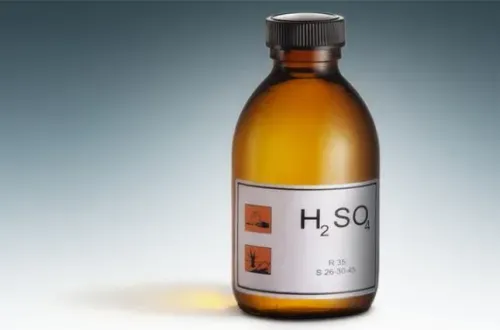
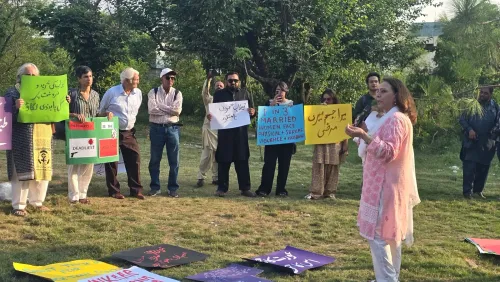
Women's rights activist Riffat Ayesha said Pakistan's legislative framework has failed to deter gender-based chemical violence. She noted that corrosive acids remain freely available in informal markets, sold under the guise of domestic drain cleaners or industrial agents, despite a decade of legal reforms. Ayesha condemned the absence of a state-mandated tracking system to verify who is purchasing these substances and for what purpose, warning that unregulated sales will continue to inflict physical harm and lifelong psychological trauma on women until strict buyer verification is enforced.
Doctors' Community Launches Protest, Demands Judicial Probe
Young Doctors Association (YDA) President Hai Baloch criticised the Pakistani government for its lack of seriousness in responding to the medical community's demands. Addressing a press conference at a protest camp outside Civil Sandeman Hospital in Quetta, he said the government's 'inappropriate behaviour' had left doctors with no option but to protest. 'The attack on Dr Mahnoor Nasir is an assault on the values of our tribal society,' he said, adding that the government had not addressed their concerns.
The YDA called for the establishment of a judicial commission to probe the incident and demanded immediate security improvements at hospitals. As part of their protest, the association announced a boycott of outpatient departments (OPDs) and other services across all government hospitals in Balochistan, while continuing to operate in gynaecology wards, trauma centres, and emergency units.
Human Rights Council Demands Prosecution Under Anti-Terrorism Clauses
On 6 June, the Human Rights Council (HRC) of Pakistan condemned the attack as a 'barbaric and regrettable' incident and described it as a 'grave security failure.' The Council stated: 'A woman associated with such a sacred profession, engaged in serving humanity and saving lives, to be targeted with such brutal violence right at her workplace is not only a slap in the face to the medical community but also to the entire society and humanity.'
The HRC called on the government of Balochistan, the Health Department, and police authorities to immediately arrest all those involved and prosecute them under anti-terrorism clauses, seeking the 'harshest exemplary punishment' in accordance with the law. It also demanded that Dr Nasir receive the best available medical treatment at government expense.
Broader Context: Acid Violence and Legal Gaps in Pakistan
Pakistan enacted dedicated acid crime legislation in 2011, yet rights groups consistently report that enforcement remains weak and perpetrators frequently evade accountability. The Quetta attack is the latest in a pattern of acid violence against women, particularly those in professional roles. Notably, the incident occurred inside a hospital — a space that should, by any standard, guarantee the safety of healthcare workers. This case has amplified calls for a centralised registry for corrosive chemical sales, a measure that successive governments have failed to implement. How the Balochistan government responds to the YDA's demands and the HRC's directives will be closely watched in the coming days.
Point of View
Yet informal market availability has barely changed, because the law targets use rather than supply. The real accountability gap is upstream: no centralised registry, no buyer verification, no meaningful liability for sellers. That the attack happened inside a hospital — the one space where a professional woman should be most secure — underscores how far institutional protection of female healthcare workers lags behind rhetoric. The YDA's OPD boycott is a pressure tactic, but the deeper question is whether the Balochistan government will treat this as a systemic failure or manage it as a one-off law-and-order case.
NationPress
22 Sept 2026
Frequently Asked Questions
What happened in the acid attack on a doctor in Quetta?
Dr Mahnoor Nasir, 29, was allegedly attacked by a hospital employee who threw acid on her inside a ward at Civil Hospital, Quetta, on 5 June. She suffered burns to about 13 per cent of her body, including her face, abdomen, thighs, and both hands, and was later airlifted to Karachi for specialised treatment.
What is the current condition of Dr Mahnoor Nasir?
Hospital sources in Karachi said Dr Nasir sustained burns to approximately 13 per cent of her body. Her eyesight reportedly remains intact, though both eyes were affected. She is receiving specialised care in Karachi after initial treatment in Quetta.
Why are activists concerned about acid availability in Pakistan?
Rights activist Riffat Ayesha has said that corrosive acids remain freely available in Pakistan's informal markets, sold as drain cleaners or industrial agents, despite a decade of legal reforms. She has called for a state-mandated buyer verification system, which does not currently exist.
What action has the Young Doctors Association taken in response?
The Young Doctors Association (YDA) announced a boycott of outpatient departments and other services across all government hospitals in Balochistan. It has also demanded the formation of a judicial commission to investigate the attack and immediate security improvements at hospitals, while continuing emergency, trauma, and gynaecology services.
What has Pakistan's Human Rights Council demanded over the Quetta attack?
The Human Rights Council of Pakistan condemned the attack on 6 June as a 'grave security failure' and called on the Balochistan government, the Health Department, and police to immediately arrest those responsible and prosecute them under anti-terrorism clauses. It also demanded that Dr Nasir receive full medical treatment at government expense.