Quetta acid attack: Doctors' protest enters 19th day, OPDs shut across Balochistan
Synopsis
Doctors in Pakistan's Balochistan have now shut OPDs for 19 straight days over the acid attack on Dr Mah Noor Nasir — and with a Grand Doctors' Conference on 29 June and a province-wide rally on 30 June, the pressure on authorities is only mounting. Aurat March and human rights activists have joined the chorus, exposing deep failures in state protection for women.
Key Takeaways
The Young Doctors' Association (YDA) of Balochistan has sustained its protest for 19 consecutive days over the acid attack on Dr Mah Noor Nasir in Quetta .
OPDs in government hospitals across Balochistan remain shut as part of the ongoing agitation.
The YDA demands removal of the Secretary of Health, Balochistan and the Medical Superintendent of Civil Hospital , a judicial probe, and implementation of the Doctors' Security Act .
A Grand Doctors' Conference is scheduled for 29 June , with a province-wide protest rally on 30 June .
Aurat March leader Farzana Bari condemned the attack and criticised the state's failure to protect women, according to reports.
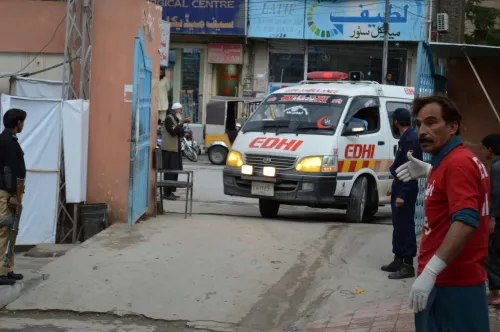
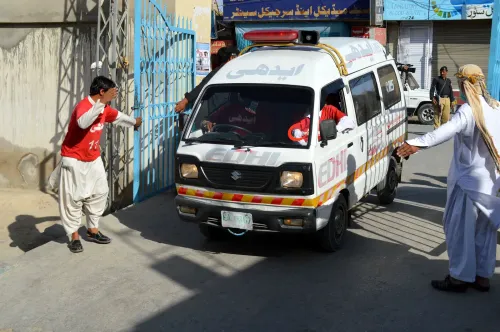
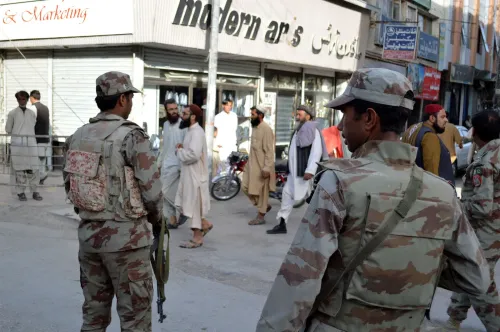
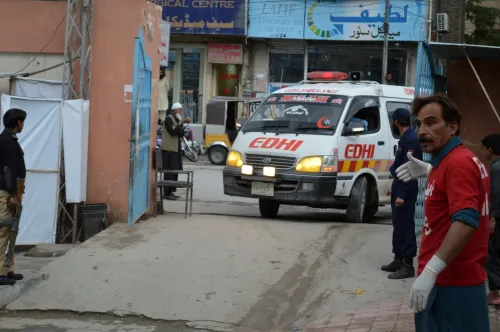
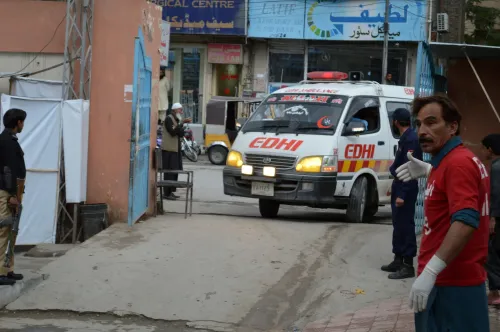
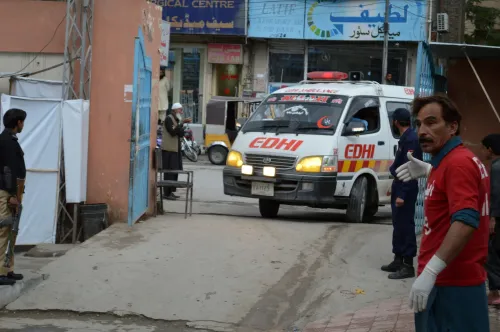
The Young Doctors' Association (YDA) of Balochistan continued its protest for the 19th consecutive day on Friday, 26 June, demanding justice for Dr Mah Noor Nasir, a woman doctor who was targeted in an acid attack at a hospital in Quetta, Pakistan. The shutdown of Out-Patient Departments (OPDs) across government hospitals in the province remains in effect, with doctors vowing to hold the line until the authorities meet their demands.
Key Developments
At a recent central meeting, the YDA resolved to escalate the agitation. The association confirmed that the protest camp at Civil Hospital, Quetta is still operational. A Grand Doctors' Conference has been announced for 29 June, followed by a protest rally from Civil Hospital on 30 June. Simultaneous protests are planned at government hospitals across Balochistan on the same day.
What the Doctors Are Demanding
The YDA has accused the government of negligence and insensitivity toward the safety of medical professionals. Their demands include the immediate removal of the Secretary of Health, Balochistan and the Medical Superintendent of Civil Hospital, the constitution of a judicial commission to investigate the acid attack on Dr Mah Noor Nasir, and the immediate implementation of the Doctors' Security Act. Association leaders have urged doctors, medical organisations, and civil society across Balochistan to join the conference and rally.
Wider Outrage: Aurat March and Human Rights Voices
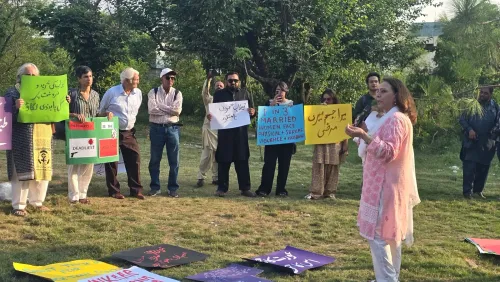
The case has drawn condemnation well beyond the medical community. Last week, women's rights movement Aurat March staged a demonstration outside the Islamabad Press Club against the attack on Dr Mah Noor Nasir at Sandeman Civil Hospital in Quetta. Human rights activists, political leaders, and representatives of civil society organisations joined the protest, expressing solidarity with the victim and condemning what they described as rising violence against women in Pakistan.
Prominent human rights activist and Aurat March leader Farzana Bari voiced grave concern at the demonstration. 'Too many incidents of violence against women are surfacing each day, showing us that this country is becoming like a graveyard for women, and the state and state institutions are completely failing to provide protection to us,' she said, according to reports. Bari also criticised the manner in which the perpetrator was dealt with: 'The police have killed the perpetrator, but I consider this to be unnecessary, as the police's job is to arrest criminals while it is the job of the courts to sentence them.' She added that 'the patriarchal mindset has become so dangerous in Pakistan today that women are not safe in their homes, on the streets, or in their workplaces.'
Broader Context
The acid attack on Dr Mah Noor Nasir at a government hospital in Quetta has spotlighted the vulnerability of women — including those in professional roles — to targeted violence in Pakistan. The YDA's sustained shutdown of OPDs is placing significant pressure on public healthcare delivery in Balochistan, a province already grappling with strained medical infrastructure. This comes amid repeated calls from civil society for stronger legislative protections and swifter judicial accountability in cases of violence against women. The Grand Doctors' Conference on 29 June is expected to set the tone for the next phase of the agitation.
Point of View
Constitute a judicial commission, enforce an existing security law. That the government has not moved on any of these after nearly three weeks suggests either political paralysis or deliberate inaction. Farzana Bari's remark that the perpetrator's killing by police was 'unnecessary' is the kind of accountability argument that rarely surfaces in such cases — it points to a deeper problem where extrajudicial outcomes substitute for due process, leaving systemic reform untouched. The real test is whether the 29 June conference produces coordinated national pressure or dissipates into another cycle of protest without consequence.
NationPress
25 Sept 2026
Frequently Asked Questions
What happened to Dr Mah Noor Nasir in Quetta?
Dr Mah Noor Nasir, a woman doctor, was targeted in an acid attack at a hospital in Quetta, Balochistan, Pakistan. The attack triggered a sustained protest by the Young Doctors' Association of Balochistan, which has now entered its 19th day.
What are the YDA's demands from the Pakistan government?
The Young Doctors' Association (YDA) of Balochistan has demanded the immediate removal of the Secretary of Health, Balochistan and the Medical Superintendent of Civil Hospital, the formation of a judicial commission to investigate the acid attack, and the immediate implementation of the Doctors' Security Act.
How are the protests affecting hospitals in Balochistan?
Out-Patient Departments (OPDs) in government hospitals across Balochistan have been shut down as part of the protest. The closure has been in effect for 19 days, significantly disrupting public healthcare services in the province.
What events are planned next in the doctors' protest?
The YDA has announced a Grand Doctors' Conference on 29 June, followed by a protest rally from Civil Hospital, Quetta on 30 June. Simultaneous protests are also planned at government hospitals across Balochistan on 30 June.
Who else has spoken out against the acid attack on Dr Mah Noor Nasir?
The women's rights movement Aurat March held a protest outside the Islamabad Press Club in solidarity with Dr Mah Noor Nasir. Human rights activist and Aurat March leader Farzana Bari condemned the attack and criticised the state's failure to protect women, according to reports.