BNP, allies linked to 52% of Bangladesh 2026 poll violence: Odhikar

Synopsis
Bangladesh's 2026 national polls were marred by systematic electoral violence, with the ruling BNP and its allies linked to three-quarters of all post-election incidents, according to a human rights monitoring report. With 41 political deaths and 970 injuries recorded in just three months, the data points to a deepening crisis of democratic accountability in the country.
Key Takeaways
BNP and allies were linked to 52% of pre-election, 53% of polling-day, and 75% of post-election violence incidents in Bangladesh's 2026 national polls .
Jamaat-e-Islami and allies were associated with 15% of pre-election and 13% of election-day incidents.
62 incidents were recorded before the polls; Chattogram led with 11 incidents .
32 incidents across 19 constituencies were documented on polling day; authorities took no action in 11 cases .
Odhikar separately reported 41 political deaths and 970 injuries between April and June 2026 .
Findings were presented at a dialogue at CIRDAP in Dhaka on Monday, 11 August .
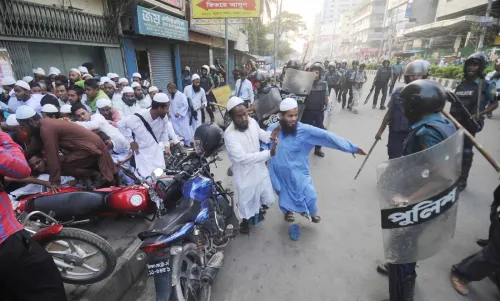
Dhaka-based human rights group Odhikar has documented that the ruling Bangladesh Nationalist Party (BNP) and its allies were linked to the largest share of electoral violence incidents during Bangladesh's 2026 national polls, according to local media citing the group's monitoring report. The findings, presented on Monday at a dialogue held at the Centre on Integrated Rural Development for Asia and the Pacific (CIRDAP) in Dhaka, paint a detailed picture of politically driven violence across all three phases of the election cycle.
Key Findings from the Odhikar Report
According to the report, BNP and its allies were associated with 52 per cent of electoral violence incidents recorded before the election, 53 per cent on polling day, and a striking 75 per cent in the post-election period. Jamaat-e-Islami and its allies were linked to 15 per cent of pre-election incidents, 13 per cent on election day, and 9 per cent in the aftermath, according to Bangladesh's leading newspaper The Daily Star.
Violence Hotspots Across Bangladesh
The report identified Chattogram, Cox's Bazar, Bhola, Mymensingh, and Dhaka as the primary hotspots for electoral violence. A total of 62 incidents were recorded in the pre-election period. Chattogram logged the highest count at 11 incidents, followed by Cox's Bazar with 8. Dhaka and Mymensingh reported 5 incidents each, while Sirajganj recorded 4.
Authorities reportedly took action in 34 of the pre-election incidents, while 28 cases saw no reported action — raising concerns about accountability gaps in the electoral process.
Election Day Violence and Official Response
Odhikar documented 32 incidents across 19 constituencies on polling day. Mymensingh accounted for 7 of these incidents and Bhola for 6. Chattogram recorded 4, while Cox's Bazar and Feni reported 3 each. BNP and its allies were linked to 17 of the 32 election-day incidents, Jamaat and its allies to 4, and Islami Andolan Bangladesh to 2. Authorities reportedly took no action in 11 of the polling-day incidents, while the response in 7 cases could not be ascertained.
Broader Pattern of Political Violence
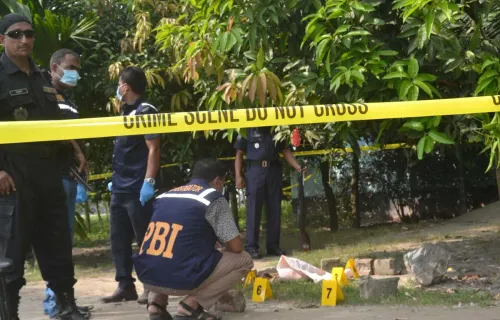
The electoral violence data comes amid a wider climate of unrest. Odhikar separately reported last month that at least 33 people were killed in mob attacks in Bangladesh, while political violence between April and June this year claimed 41 lives and left 970 others injured. Threats, intimidation, and harassment were the predominant forms of violence during the campaign period, with physical assaults, property damage, and deaths becoming more prevalent in the post-election phase.
This is the second consecutive election cycle in which Odhikar has flagged systematic electoral violence in Bangladesh, underscoring the persistent challenge of ensuring free and fair polls in the country. The findings are likely to intensify scrutiny on the BNP-led government's conduct and its commitment to democratic norms going forward.
Point of View
When the incentive shifts from voter suppression to consolidating territorial control. A post-election share of 75% is not noise; it is a signal. What is equally telling is the enforcement gap — 28 pre-election cases with no official response and 11 polling-day incidents met with inaction. When the party in power is the primary suspect and the state apparatus fails to act, the line between electoral violence and institutional capture begins to blur. International observers and civil society will need to press for independent accountability mechanisms before the next cycle.
NationPress
15 Oct 2026
Frequently Asked Questions
What did the Odhikar report find about Bangladesh's 2026 election violence?
The Odhikar monitoring report found that BNP and its allies were linked to 52% of pre-election violence incidents, 53% on polling day, and 75% in the post-election period during Bangladesh's 2026 national polls. The findings were presented at a dialogue in Dhaka on Monday, 11 August.
Which districts recorded the most electoral violence in Bangladesh 2026?
Chattogram recorded the highest number of pre-election incidents at 11, followed by Cox's Bazar with 8. On election day, Mymensingh accounted for 7 incidents and Bhola for 6. Other hotspots included Dhaka, Sirajganj, and Feni.
What role did Jamaat-e-Islami play in the violence?
Jamaat-e-Islami and its allies were associated with 15% of pre-election incidents, 13% on election day, and 9% in the post-election period, according to the Odhikar report cited by The Daily Star.
How many people were killed in Bangladesh's political violence in 2026?
Odhikar reported last month that at least 33 people were killed in mob attacks, while political violence between April and June 2026 claimed 41 lives and left 970 others injured across Bangladesh.
What action did authorities take against electoral violence?
Authorities took some form of action in 34 of the 62 pre-election incidents, while 28 cases saw no reported response. On polling day, no action was taken in 11 of 32 documented incidents, and the official response in 7 cases could not be ascertained.