White House Blames Democrats for ACA Overcharges, Trump Acts
Synopsis
The White House accused Democrats of gross mismanagement of the Affordable Care Act, saying excess fees overcharged Americans. President Trump is reversing the policy to return money to consumers, reigniting a sixteen-year partisan battle over ACA costs.
Key Takeaways
The White House publicly accused Democrats of gross mismanagement of the Affordable Care Act on October 14, 2026 .
The post claims Americans were overcharged through excess ACA fees and that President Trump is now reversing those charges.
The ACA was signed in March 2010 ; Republican administrations have repeatedly targeted its fee and mandate structures.
In 2017 , the Trump administration issued an executive order to minimise ACA regulatory and economic burdens after full repeal failed in the Senate.
The exact mechanism of the current reversal — rule change, executive order, or rebate — has not been specified in official communications.
Forthcoming HHS rulemaking and congressional oversight hearings are the key forums to watch for implementation details.
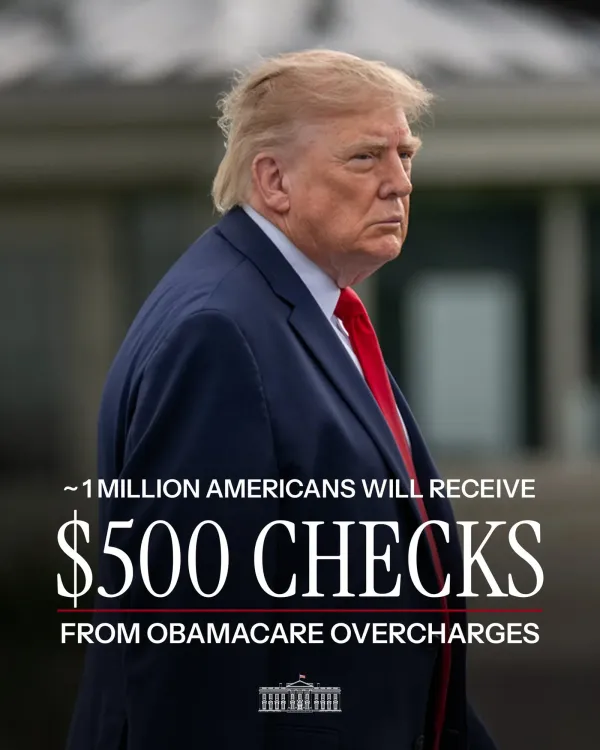
A pointed accusation and a promised refund — the White House on Wednesday, October 14, 2026, accused Democrats of gross mismanagement of the Affordable Care Act (ACA), claiming it led to Americans being overcharged through excess fees, and said President Donald Trump is now reversing those charges to return money to policyholders.
The official White House post stated: 'Democrats' gross mismanagement of Obamacare led to Americans being overcharged with excess fees. President Trump is reversing it, giving this money back to Americans where it belongs.'
The ACA Fee Fight: Sixteen Years in the Making
The Patient Protection and Affordable Care Act, signed into law in March 2010 under President Barack Obama, reshaped the American health insurance market through mandates, subsidies, and a new set of insurer regulations — along with a series of fees on insurers and employers designed to fund coverage expansions. Republicans have challenged those cost mechanisms almost from day one, arguing they inflated premiums for ordinary Americans rather than making coverage more affordable. The friction is not new for Trump either. In 2017, his administration backed congressional repeal attempts and issued an executive order directing federal agencies to 'minimize the unwarranted economic and regulatory burdens' of the ACA — a signal that fee and mandate relief would be a recurring tool even when full repeal stalled in the Senate.Executive Action Over Legislative Gridlock
With full repeal consistently blocked by Congress, Republican administrations have leaned on regulatory levers — adjusting insurer fee structures, waiver programmes, and market stabilization rules — to chip away at ACA costs. The White House framing of the latest move as 'giving this money back' positions it as direct consumer relief rather than a structural overhaul, a politically resonant message for households still absorbing elevated healthcare costs. The specific mechanism behind the current reversal — whether an HHS rule change, an executive order, or a combination — has not been detailed in the post. Oversight hearings in Congress and forthcoming agency rulemaking filings are the clearest places to watch for the fine print.Healthcare Consumers in the Crossfire
For the millions of Americans who purchase coverage through ACA marketplaces or employer plans subject to ACA rules, any genuine fee rollback would translate into lower premiums or direct rebates — a tangible outcome in an election cycle where cost-of-living pressures remain acute. The White House is clearly betting that the 'money back' framing lands harder than the policy details underneath it. The partisan argument over who is responsible for ACA premium levels has never really left the national conversation since 2010. What changes now is the lever being pulled — and whether the dollars actually reach consumers will be the metric that matters most.Point of View
Bypassing Congress entirely in the public narrative. Whether the reversal delivers measurable savings will define whether this moment is remembered as a policy win or a press-release promise.
NationPress
15 Oct 2026
Frequently Asked Questions
What ACA fees is Trump reversing?
The White House says President Trump is reversing excess fees that arose from Democratic mismanagement of the Affordable Care Act, though the specific fee mechanism has not been publicly detailed in official documents yet.
What is Obamacare and why is it controversial?
The Affordable Care Act, signed in 2010 by President Obama, expanded health insurance coverage through mandates, subsidies, and insurer regulations. Republicans have long argued it inflated premiums and imposed unnecessary fees on Americans.
Has Trump tried to repeal Obamacare before?
Yes. In 2017, the Trump administration backed congressional repeal efforts and signed an executive order directing agencies to minimise ACA burdens, but full repeal was blocked in the Senate.
How will this affect Americans' health insurance costs?
If the reversal delivers genuine fee reductions, it could lower premiums or generate rebates for marketplace and employer-plan policyholders, though the financial impact will depend on the specific regulatory mechanism used.
What should I watch for next on this ACA fee reversal?
Look for formal rulemaking announcements from the Department of Health and Human Services and congressional oversight hearings, which will reveal the legal basis and the dollar value of any fee rollbacks.