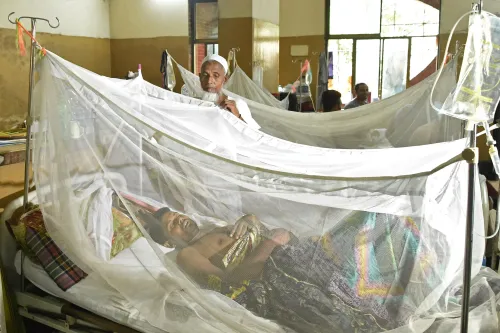
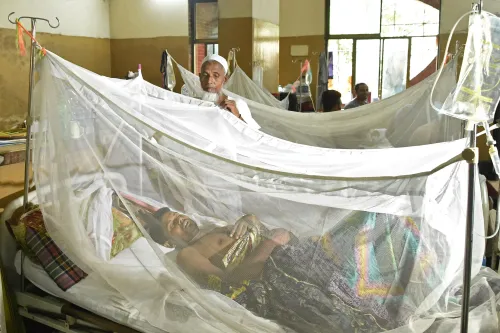
Bangladesh dengue 2026: 2,249 cases, 7 deaths in single day — worst daily toll this year
Synopsis
Bangladesh has just recorded its worst single-day dengue tally of 2026 — 2,249 new cases and 7 deaths in 24 hours — pushing the annual toll to 384 fatalities from 123,948 total infections. Experts warn delayed hospitalisation and a fractured care system are amplifying deaths even as the season's peak approaches.
Key Takeaways
Bangladesh reported 2,249 dengue cases and 7 deaths in the 24 hours ending 25 October 2026 — the highest single-day count this year.
Cumulative 2026 totals stand at 123,948 cases and 384 deaths , per the DGHS .
New deaths were spread across DNCC , DSCC , Mymensingh , Khulna , and Rajshahi .
52.8% of total fatalities were female; 47.2% were male.
117,400 patients have been discharged after recovery.
Experts cite delayed treatment, viral factors, and a weak care system as key drivers of deaths; public health expert Mushtuq Husain has called for a three-tier dengue care structure .
Bangladesh recorded 2,249 new dengue cases and seven deaths in a single 24-hour period ending Sunday morning, 25 October 2026 — the highest single-day case count reported in the country so far this year, according to the Directorate General of Health Services (DGHS). The surge pushed the 2026 cumulative total to 123,948 infections and 384 fatalities.
Geographic Spread of New Fatalities
The seven fresh deaths were spread across multiple administrative divisions. Two fatalities were recorded each in the Dhaka North City Corporation (DNCC) area and Mymensingh division, while one death each was confirmed in the Dhaka South City Corporation (DSCC) area, Khulna, and Rajshahi divisions. Of the total 384 dengue-related deaths recorded in 2026, 52.8 per cent were female and 47.2 per cent were male, according to DGHS data.
Recoveries and Hospital Load
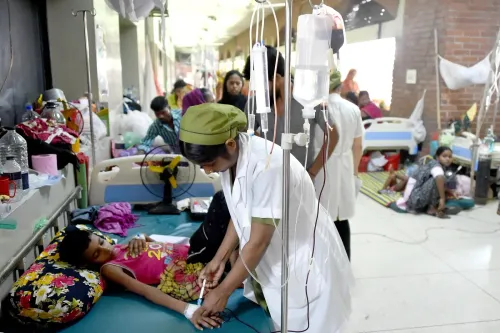
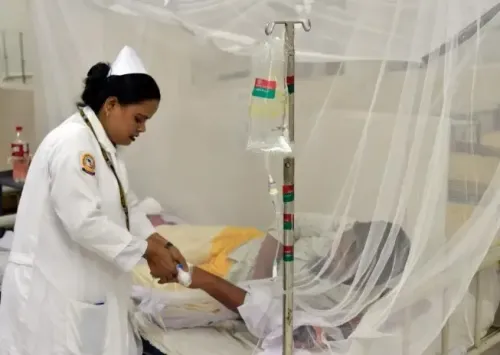
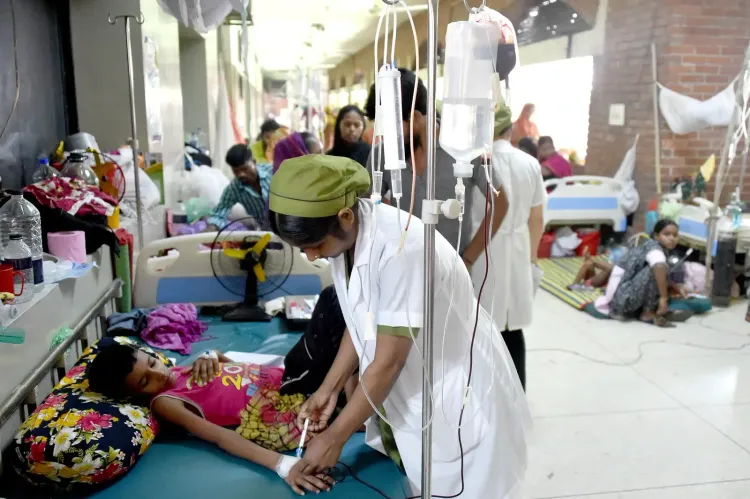
Despite the alarming spike, the DGHS also noted that 117,400 dengue patients have been discharged from hospitals across Bangladesh after recovering from the disease. However, with daily admissions continuing to climb, health facilities in Dhaka and several divisions are under sustained pressure.
What Experts Say Is Driving the Deaths
Health specialists have pointed to a combination of systemic and clinical factors behind the rising fatality count. H.M. Nazmul Ahsan, Associate Professor at Dhaka's Shaheed Suhrawardy Medical College Hospital, attributed the spike in deaths largely to the sheer volume of infections nationwide. He identified three broad categories of contributing factors: viral characteristics, patient-related vulnerabilities, and treatment-related complications.
Experts also flagged delayed hospitalisation and inappropriate treatment as critical concerns, with many patients reportedly seeking care only after their condition deteriorates to a critical stage. Public health expert Mushtuq Husain called for strengthening dengue management through a structured three-tier healthcare system — spanning primary, secondary, and tertiary levels of care.
Official Warning and Government Response
The deteriorating situation was foreshadowed last month when Bangladesh's State Minister for Fisheries and Livestock, Sultan Salauddin Tuku, cautioned that conditions in Dhaka and other districts could worsen in the coming months. 'The risk of dengue may increase further in the coming months, so everyone needs to become aware from now,' Tuku said. This comes amid a broader regional pattern of intensifying dengue outbreaks across South and Southeast Asia in 2026, driven by erratic monsoon patterns and urban mosquito proliferation.
What to Watch Next
With the dengue season typically peaking between October and November in Bangladesh, public health authorities are expected to face further pressure in the weeks ahead. Calls for expanded community surveillance, vector control operations, and early-stage treatment protocols are likely to intensify as the case count continues to climb.
Point of View
249-case single-day peak is a public health inflection point, not a statistical blip. What makes it particularly troubling is that the death toll is being driven not just by the volume of infections but by structural failures: patients arriving at hospitals in critical condition, treatment inconsistencies, and an overstretched three-tier system that health experts have been calling to fix for years. Bangladesh has faced repeated dengue surges, but the gender skew in fatalities — with women accounting for over half of deaths — deserves specific epidemiological attention that official statements have so far not addressed. The coming weeks will test whether the government's response moves beyond ministerial warnings into coordinated vector control and early-intervention protocols.
NationPress
25 Oct 2026
Frequently Asked Questions
How many dengue cases and deaths were reported in Bangladesh on 25 October 2026?
Bangladesh recorded 2,249 new dengue cases and 7 deaths in the 24-hour period ending Sunday morning, 25 October 2026, according to the DGHS. This was the highest single-day case count reported in the country so far in 2026.
What is the total dengue toll in Bangladesh in 2026?
As of 25 October 2026, Bangladesh has recorded a cumulative total of 123,948 dengue cases and 384 deaths since the start of the year. An additional 117,400 patients have recovered and been discharged from hospitals.
Which areas reported the most dengue deaths in Bangladesh recently?
The seven latest deaths were spread across Dhaka North City Corporation, Dhaka South City Corporation, Mymensingh, Khulna, and Rajshahi divisions, with two fatalities each in DNCC and Mymensingh.
Why are dengue deaths rising in Bangladesh despite recoveries?
Health experts attribute the rising deaths to delayed hospitalisation, inappropriate treatment, and the heightened vulnerability of high-risk patient groups who seek care only after their condition turns critical. Associate Professor H.M. Nazmul Ahsan also cited viral factors and treatment-related complications as contributing causes.
What have Bangladeshi authorities and experts recommended to curb dengue?
Public health expert Mushtuq Husain has called for a three-tier dengue care system spanning primary, secondary, and tertiary healthcare. State Minister Sultan Salauddin Tuku has urged citizens to remain alert as the risk is expected to persist into the coming months.