Bangladesh measles outbreak: 545 dead as Eid travel risks surge
Synopsis
Bangladesh's measles crisis has killed 545 people since mid-March, and health authorities fear Eid travel could turn a containable outbreak into a catastrophe. With 64,940 suspected cases, a vaccine shortage allegedly ignored by the former interim government, and summer heat approaching, the window to act is closing fast.
Key Takeaways
545 people have died from measles and measles-like symptoms in Bangladesh since 15 March .
64,940 suspected cases and 8,719 confirmed infections have been recorded, according to the DGHS .
At least 17 children died in the 24 hours leading up to Monday morning alone.
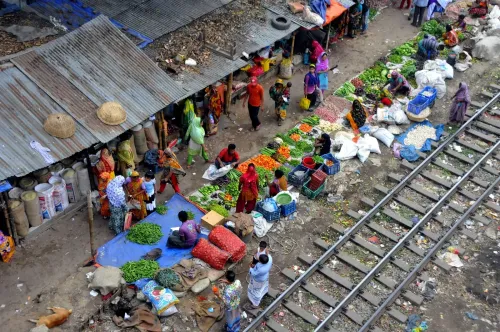
Health experts and Health Minister Sakhawat Husain have warned that Eid travel and mass gatherings could sharply accelerate transmission.
UNICEF reportedly warned the former Muhammad Yunus -led interim government about vaccine shortages through written communication and ministry meetings.
The Awami League has accused the Yunus administration of deliberate negligence, a charge that has not been independently verified.
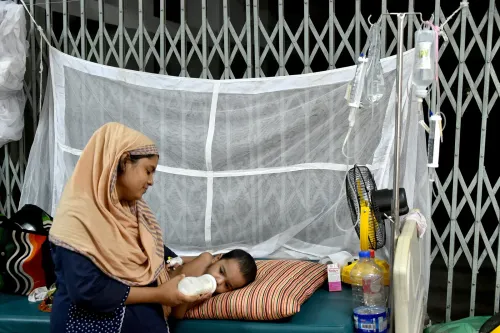
Bangladesh's measles outbreak has claimed at least 545 lives since 15 March, with public health experts and physicians warning that Eid mass gatherings, long-distance travel, and family visits could sharply accelerate transmission of the disease. The warning comes as 64,940 suspected cases and 8,719 confirmed infections have been logged across the country, according to the Directorate General of Health Services (DGHS).
Expert Warnings Ahead of Eid
Health officials are urging families with young children to curtail unnecessary movement and adhere strictly to preventive protocols. FA Asma Khanom, Director of the Infectious Diseases Hospital, was quoted by the Dhaka Tribune as saying: 'In this situation, it is best for people to stay where they are. Unnecessary movement should be limited as much as possible.'
Experts also cautioned that the approaching hot season could intensify transmission risks, while the lack of adequate treatment facilities in remote areas poses a serious threat — particularly for children who fall ill while travelling.
Health Minister's Caution on Crowded Transport
Addressing a programme at the Secretariat last week, Bangladesh's Health Minister Sakhawat Husain warned that unrestricted Eid travel and crowded public transport could fuel measles transmission. He urged families not to expose infected or recently recovered children to crowded public spaces or relatives' homes.
Minister Husain added that while vaccination significantly reduces the risk, it does not provide 100 per cent protection, stressing that social distancing and public awareness remain critical preventive measures.
Latest Fatality Count
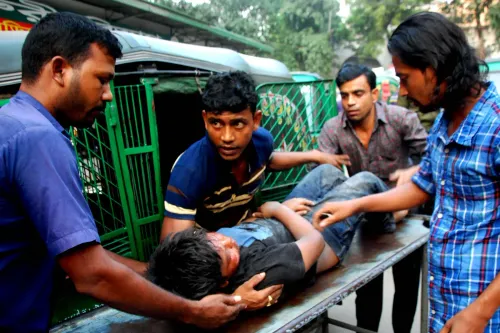
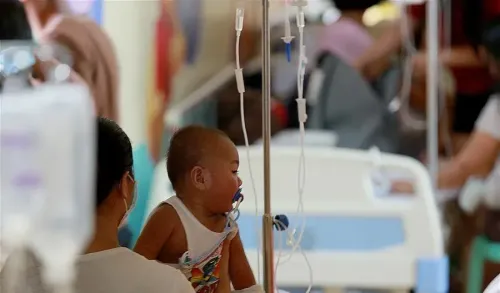
At least 17 more children died from measles and measles-like symptoms in the 24 hours leading up to Monday morning, according to the DGHS, bringing the total confirmed and suspected death toll to 545. Of the 17 latest fatalities, one was a confirmed measles death; the remaining 16 died with symptoms consistent with the disease.
Political Blame and UNICEF's Role
Amid the rising death toll, the Awami League party alleged that gross negligence and policy failures during the tenure of the former Muhammad Yunus-led interim government triggered the worsening outbreak. The party claimed that remarks by UNICEF confirmed the crisis was not accidental but the result of what it called 'deliberate negligence and destruction' under Yunus.
The UN agency reportedly said it had repeatedly warned the earlier interim government — both through written communication and meetings with Health Ministry officials — about vaccine shortages that could precipitate a major health crisis. The Awami League, calling Yunus a 'child-killer', alleged that those warnings were ignored.
What Happens Next
With Eid gatherings imminent and summer heat set to compound transmission risks, health authorities face a narrowing window to contain the outbreak. Public compliance with travel advisories and accelerated vaccination coverage in underserved areas will be decisive in determining whether the death toll continues to climb.
Point of View
Nearly 65,000 suspected cases — is not a statistical anomaly; it is a systemic failure. If UNICEF's reported warnings about vaccine shortages were indeed ignored by the interim administration, that represents a governance lapse with a measurable body count. The political blame game between the Awami League and the Yunus camp risks crowding out the operational response Bangladesh urgently needs. With Eid travel imminent and summer amplifying transmission, the next two weeks are critical — and the window for containment is narrowing by the day.
NationPress
24 Sept 2026
Frequently Asked Questions
How many people have died in the Bangladesh measles outbreak?
At least 545 people have died from confirmed and suspected measles since 15 March, according to the Directorate General of Health Services. The toll includes 17 deaths recorded in a single 24-hour period leading up to Monday morning.
Why are Eid gatherings a concern for the measles outbreak?
Measles is highly contagious, and mass gatherings, long-distance travel, and crowded public transport during Eid create conditions for rapid transmission. Health experts warn that children who are infected or recently recovered are particularly at risk in crowded environments.
What did UNICEF say about the Bangladesh measles crisis?
UNICEF reportedly warned the former Muhammad Yunus-led interim government — through written communication and meetings with Health Ministry officials — about vaccine shortages that could trigger a major health crisis. The Awami League has cited these warnings as evidence of deliberate negligence, though that characterisation remains contested.
How many measles cases have been confirmed in Bangladesh?
As of the latest figures, 8,719 cases have been confirmed out of 64,940 suspected cases logged since March, according to reports citing the Dhaka Tribune.
What precautions are health authorities recommending?
Health officials are advising families with young children to avoid unnecessary gatherings and restrict travel during Eid. They stress that vaccination reduces but does not eliminate risk, and that social distancing and public awareness remain essential preventive measures.