Bangladesh's New Parliament Faces Constitutional Challenges Amid Conflicting Mandates: Analysis
Synopsis
As Bangladesh's parliament prepares to convene, it faces a constitutional crisis with competing mandates. The clash of political visions post-2024 July uprising raises critical questions about authority and reform. Explore the implications of this unprecedented situation in our detailed analysis.
Key Takeaways
Bangladesh's parliament is set to convene amidst constitutional challenges.
Conflicting mandates could lead to significant institutional tensions.
Lawmakers are taking different oaths based on their political affiliations.
The July Charter aims for political reform following the 2024 uprising.
Legal challenges are complicating the political landscape.
Ankara, March 11 (NationPress) As Bangladesh's newly-elected parliament gears up for its inaugural session on March 12, it will grapple with two divergent mandates: one based on the established constitutional framework and the other influenced by the political promises outlined in the July Charter. Experts caution that this conflicting scenario may lead to significant institutional tensions as the parliament convenes, according to a recent report.
The country now finds itself in an unprecedented constitutional situation characterized by contrasting visions for political reform following the 2024 July uprising, as reported by Turkey's prominent state-run Anadolu Agency earlier this week.
“Rather than the usual procedural tranquility that marks the start of a legislative term, the incoming parliament will commence its functions amidst unresolved issues surrounding constitutional authority and differing interpretations of the July Charter – the reform agenda that emerged from the 2024 mass uprising that ousted former Prime Minister Sheikh Hasina’s government,” the report elaborated.
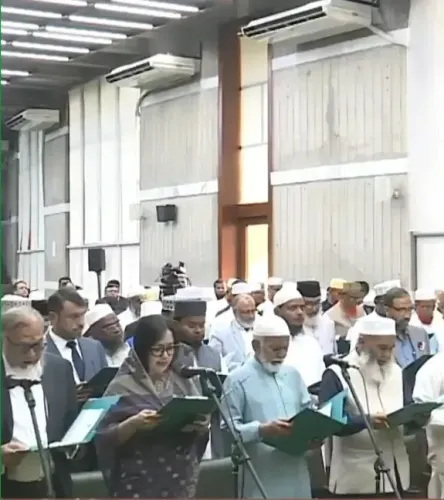
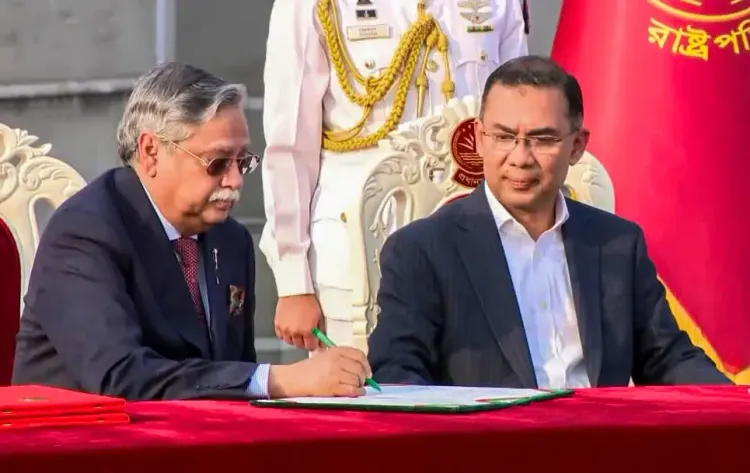
Furthermore, the report highlights that a key factor in this uncertainty is an extraordinary action where lawmakers are taking different oaths based on their political affiliations.
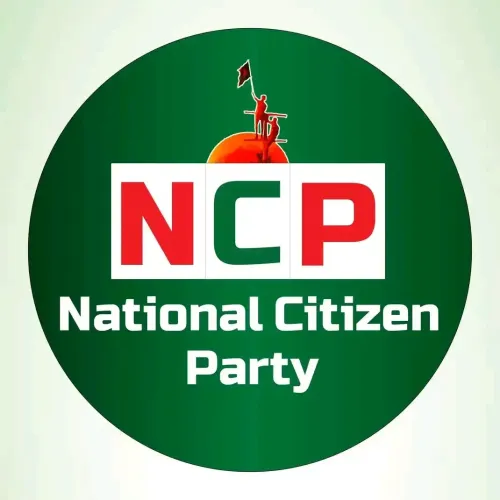
“Members of the ruling Bangladesh Nationalist Party (BNP), which commands a two-thirds majority in parliament, have taken the standard parliamentary oath. In contrast, opposition lawmakers – primarily from the Bangladesh Jamaat-e-Islami and the student-led National Citizen Party (NCP) – have opted for two distinct oaths: one as parliamentarians and another as members of a proposed Constitutional Reform Council,” it stated.
This division has resulted in a constitutional quandary that could overshadow the early sessions of parliamentary activities.
According to the July Charter, the establishment of a special constitutional reform body, requiring support from at least 60 members of parliament, was intended to supervise proposed amendments.
“The opposition coalition, consisting of Jamaat and the NCP, has already surpassed that threshold with its 77 lawmakers and has taken the necessary oath to form the council. However, the ruling BNP has declined to take the additional oath, contending that the council lacks a foundation in the current constitutional framework and that reforms should be pursued through the existing parliamentary avenues,” the report pointed out.
Compounding the uncertainty, a new legal challenge has emerged that has drawn the judiciary into the political fray.
Recently, a group of lawyers – whom opposition leaders allege align with the BNP – submitted a petition to the High Court contesting the legality of both the July Charter and its associated referendum, as reported by Anadolu Agency.
The court has responded by asking why both the charter and the referendum should not be annulled, potentially transforming a political dispute into a constitutional crisis.
Point of View
This situation presents a significant challenge for Bangladesh's political stability. The conflicting mandates within the newly-formed parliament could hinder effective governance and necessitate urgent dialogue among political factions to navigate this constitutional dilemma.
NationPress
20 Sept 2026
Frequently Asked Questions
What are the conflicting mandates in Bangladesh's new parliament?
The conflicting mandates stem from the existing constitutional framework and the political promises outlined in the July Charter, leading to potential institutional tensions.
What is the July Charter?
The July Charter is a reform blueprint that emerged from the 2024 mass uprising in Bangladesh, which aimed to establish a new political order.
Why are lawmakers taking different oaths?
Lawmakers are taking different oaths based on their political affiliations, leading to a split between the ruling BNP and opposition parties.
What is the significance of the Constitutional Reform Council?
The Constitutional Reform Council is a body proposed to oversee potential amendments to the constitution, but its establishment has become contentious.
How has the judiciary become involved in this situation?
A legal challenge has been filed against the July Charter and its referendum, pulling the judiciary into the political debate.