Bangladesh violence: 4 killed, 74 vehicles torched across 12 districts in 6 days
Synopsis
Bangladesh's worst bout of political violence in recent memory has left four dead, 74 vehicles burnt, and 72 Grameen Bank branches targeted — all within 12 days. The systematic arson campaign against Awami League leaders' homes, police installations, and financial institutions signals not random chaos but an organised assault on the country's civic infrastructure.
Key Takeaways
At least four people killed and several injured during violence across 12 districts of Bangladesh between 14 and 19 November 2026 .
74 vehicles torched and crude bomb blasts recorded at 78 locations between 7 and 18 November , per Police Headquarters data.
Homes of multiple Awami League leaders — including former state minister Shahriar Alam and former MPs — vandalised, looted, and set ablaze across several districts.
Grameen Bank reported 72 branches hit by arson or attempted arson since 10 November , disrupting financial services for thousands.
Three police installations and 18 police vehicles targeted; workers of BNP's student wing Chhatra Dal reportedly implicated in some attacks.
Critics have raised serious questions about the Bangladeshi authorities' ability to restore law and order amid the escalating crisis.
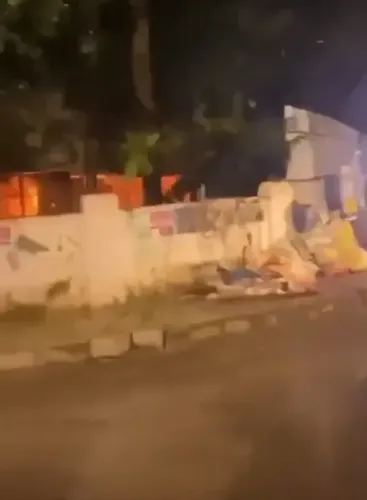
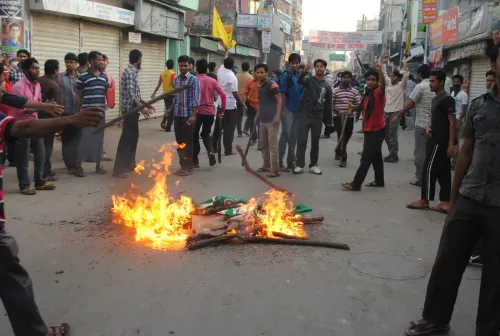
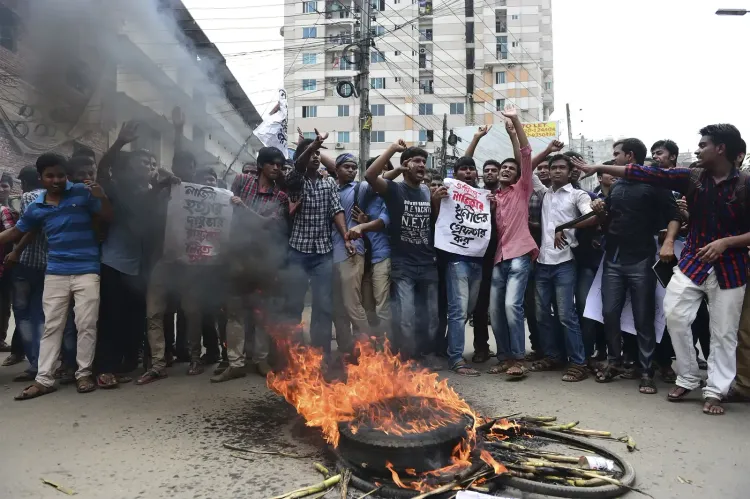
At least four people were killed and several others injured over six days as widespread violence — encompassing arson attacks, crude bomb explosions, vandalism, road blockades, and open clashes — continued to grip Bangladesh, according to local media reports on Friday, 20 November 2026. The unrest, spanning 12 districts between 14 and 19 November, has targeted police stations, political leaders' residences, public offices, vehicles, transport infrastructure, and financial and educational institutions.
Attacks on Political Residences
A wave of targeted attacks on homes of Awami League leaders and party-affiliated figures has been reported across several districts, with properties vandalised, looted, and set ablaze, according to Bangladeshi daily The Business Standard. On 18 November, a group of 20-25 people stormed the residence of Swechchhasebak League President Gazi Mesbaul Hossain Sacchu in the North Ibrahimpur area of Dhaka, vandalising the property and setting a motorcycle and sofa ablaze.
Later that night, around 9 pm, the residence of Jubo League General Secretary Mainul Hossain Khan Nikhil in Mallika Housing, Mirpur was attacked, ransacked, and set on fire. Allegations surfaced that workers belonging to the ruling Bangladesh Nationalist Party (BNP)'s student wing Chhatra Dal were involved, though this has not been independently confirmed.
In Rajshahi district, miscreants scaled the boundary wall of the four-storey residence of former state minister Shahriar Alam in Bagha upazila and poured petrol inside before setting it ablaze. The residences of former minister Jahangir Kabir Nanak and retired Major General Ziaul Ahsan — former Director General of the National Telecommunication Monitoring Centre — in Barishal district were also reportedly vandalised and set on fire.
In Patuakhali district, at least seven houses owned by Awami League leaders and affiliated organisations — including that of former MP Shahjahan Mia — were set ablaze between Wednesday and Thursday. The ancestral home of former Feni-3 MP Haji Rahim Ullah in Sonagazi was looted and torched early Thursday, as was the residence of former MP AKM Bahauddin Bahar in Cumilla.
Scale of Destruction: Vehicles, Bombs, Police Infrastructure
According to the Police Headquarters, 74 vehicles were torched and crude bomb blasts were reported at 78 locations between 7 and 18 November — a 12-day window that underscores the sustained nature of the unrest. Official statistics further revealed arson and vandalism at three police installations, with 18 police vehicles set ablaze, as reported by Dhaka Tribune. Crude bomb explosions were also recorded at two police installations, and one vehicle was damaged in a blast.
Grameen Bank and Financial Institutions Hit
The violence has spread beyond political targets to critical financial infrastructure. On Thursday, Bangladesh's Grameen Bank disclosed that 72 of its branches had been targeted in arson attacks or attempted arson since 10 November, disrupting loan services and financial access for thousands of members. In a press release, the bank stated that furniture, computers, important documents, and CCTV equipment had been damaged, with some branches described as almost entirely gutted.
Deepening Security Crisis
The continued and systematic targeting of political leaders' residences, police infrastructure, public institutions, and financial bodies points to a deepening security crisis in Bangladesh. Critics have raised serious questions over the authorities' capacity — or willingness — to restore law and order. This comes amid an already fragile political environment following recent government transitions in the country, with opposition and ruling-party dynamics fuelling a volatile street-level confrontation. How Dhaka's administration responds in the coming days will be closely watched across the region.
Point of View
Hitting police installations, Grameen Bank branches, and political residences in a single 12-day window — suggests this is not spontaneous mob violence but organised political intimidation. The allegations against Chhatra Dal, the student wing of the ruling BNP, have not been officially confirmed, but they add a dimension of state-adjacent complicity that Dhaka cannot easily dismiss. What is striking is how financial infrastructure, particularly Grameen Bank — a Nobel-linked institution serving the rural poor — has been drawn into what is ostensibly a political conflict. If Bangladesh's caretaker-era governance instincts do not assert themselves quickly, the economic fallout risks compounding the security crisis.
NationPress
20 Nov 2026
Frequently Asked Questions
What is the current situation of violence in Bangladesh?
At least four people have been killed and several injured in widespread violence across 12 districts of Bangladesh between 14 and 19 November 2026. The unrest involves arson attacks, crude bomb explosions, vandalism, and clashes targeting political leaders' homes, police installations, and financial institutions.
Who are the main targets of the violence in Bangladesh?
The primary targets have been residences of Awami League leaders and party-affiliated figures, police stations and vehicles, public offices, transport infrastructure, and financial institutions including Grameen Bank branches. Former ministers, MPs, and senior political figures have had their homes looted and burnt.
How has Grameen Bank been affected by the Bangladesh violence?
Grameen Bank announced on Thursday that 72 of its branches had been targeted in arson attacks or attempted arson since 10 November, disrupting loan services for thousands of members. The bank reported that furniture, computers, important documents, and CCTV equipment were damaged, with some branches almost entirely gutted.
Who is reportedly behind the attacks on Awami League leaders?
Allegations have surfaced that workers of Chhatra Dal — the student wing of the ruling Bangladesh Nationalist Party (BNP) — were involved in some attacks, including those on residences in Dhaka's Mirpur area. These allegations have not been independently verified.
What is the scale of the violence according to official data?
According to the Police Headquarters, 74 vehicles were torched and crude bomb blasts were reported at 78 locations between 7 and 18 November. Official figures also confirm arson or vandalism at three police installations and 18 police vehicles set ablaze during the same period.