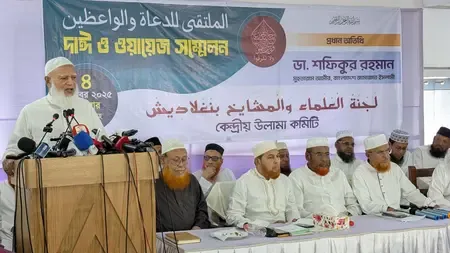
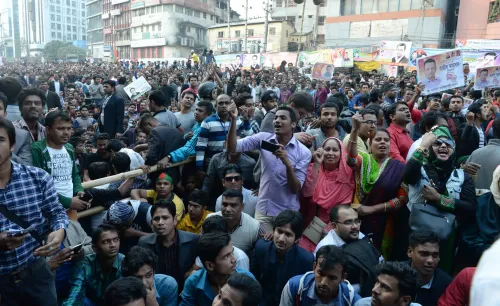
Is Bangladesh Facing an Islamist Threat Ahead of Elections?
Synopsis
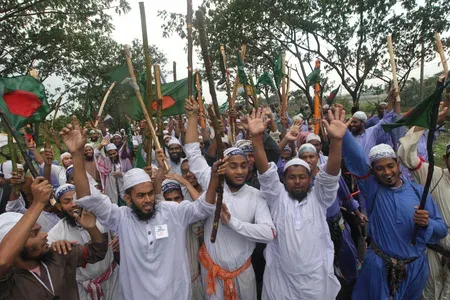
A recent US congressional briefing highlighted alarming trends in Bangladesh as national elections approach. Experts warn of a deteriorating political landscape, increased threats to religious minorities, and the potential rise of Islamist influence. With significant implications for both regional and global security, immediate action from US leaders is urged to ensure a credible electoral process.
Key Takeaways
Bangladesh is nearing a political cliff.
Religious minorities face increasing threats.
Jamaat-e-Islami's influence is a major concern.
The US must adopt a proactive stance.
International observers are essential for credible elections.
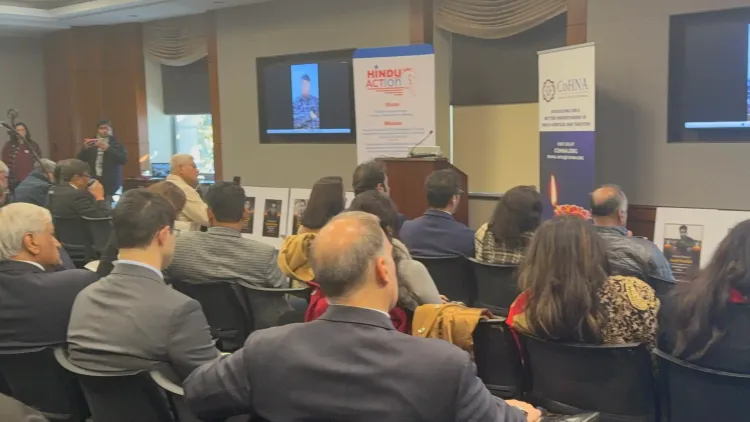
On February 10, Washington (NationPress) hosted a US congressional briefing regarding Bangladesh, cautioning that the nation is approaching a “political cliff,” with its democratic institutions under significant pressure and increasing threats to religious minorities as national elections loom on February 12.
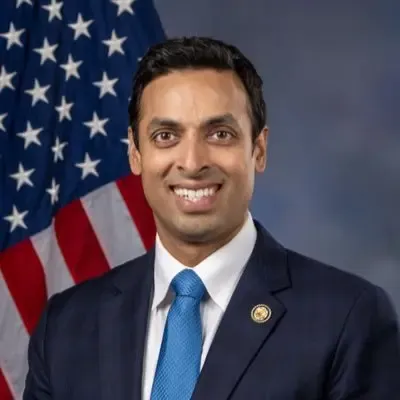
During the session organized by HinduAction and CoHNA at the Rayburn House Office Building, Michael Rubin, a senior fellow at the American Enterprise Institute, emphasized that the way a nation treats its religious minorities serves as a more reliable gauge of genuine reform than any other indicator.
Rubin stated, “In the case of Islamist parties like Jamaat Islami in Bangladesh, their incitement tactics stem from a desire to manipulate religion to escape accountability.” He warned that once tolerance is lost, regaining it becomes an arduous journey.
He expressed concern that Bangladesh is “well on its way to becoming a state of particular concern regarding religious freedom,” and this should alarm Washington irrespective of political affiliations.
Rubin remarked, “This is not the future we envision for Bangladesh.” He recognized Bangladesh's significance in terms of both population and economic potential, asserting that it is a crucial barometer for South Asia.
He also criticized the US's tendency to adopt a reactive stance, stating, “Across administrations, be they Republican or Democratic, the US often reacts instead of acts proactively.”
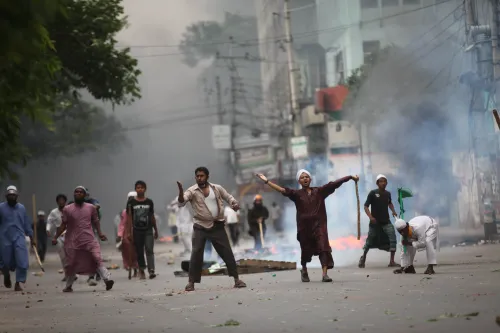
Rubin condemned diplomatic vagueness concerning reports of political violence, stating, “Using passive language implies ignorance about who instigated violence or an intent to obscure the truth.” This, he argued, amounts to whitewashing terrorism.
In the Q&A segment, Rubin asserted that Jamaat-e-Islami should not be regarded as a typical political entity, declaring, “I consider it a terrorist organization.”
Adelle Nazarian, a journalist and geopolitical analyst at HinduAction, noted that the upcoming election on February 12 transcends mere domestic politics.
She stated, “This election represents a crucial event for regional and global security.”
Nazarian pointed out that the exclusion of the Awami League from the electoral process conveys a dangerous message. “When a major party is sidelined, it signals that power is determined by force, not legitimacy,” she explained.
She warned that fear has become a potent political tool: “When rumors turn into verdicts and whispers into death sentences, peace is shattered and replaced by fear.”
Nazarian urged US leaders to take decisive action, stating, “The United States must unequivocally assert that a credible election necessitates political inclusion, a free press, and equal legal protections.” She emphasized that international observers are essential.
She added that Washington should be ready to enforce consequences, declaring, “Words are important, but actions speak louder.”
The briefing, held just days before Bangladesh's national elections, featured a range of speakers, including academics, journalists, and community leaders, focusing on issues of religious freedom and democratic governance.
Point of View
It is crucial to emphasize the urgent need for international awareness and intervention in Bangladesh's political landscape. The threats to religious minorities and democratic processes are not just local issues; they have far-reaching implications for regional stability and global security. It is imperative that we advocate for human rights and democratic integrity in Bangladesh.
NationPress
20 Sept 2026
Frequently Asked Questions
What is the current political situation in Bangladesh?
Bangladesh is facing significant political tension ahead of its national elections, with concerns regarding the safety of religious minorities and the influence of Islamist parties.
What is the significance of the February 12 elections?
The elections are seen as critical not only for Bangladesh but also for regional and global security, with implications for democratic governance and religious freedom.
Who are the key figures speaking on this issue?
Key voices include Michael Rubin, a senior fellow at the American Enterprise Institute, and Adelle Nazarian, a journalist and geopolitical analyst with HinduAction.