Todd Blanche rejects DOJ independence pledge in NBC interview
Synopsis
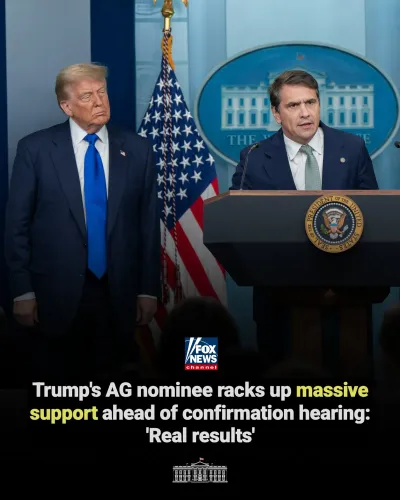
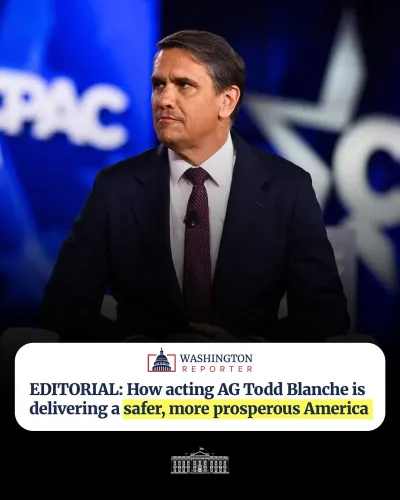
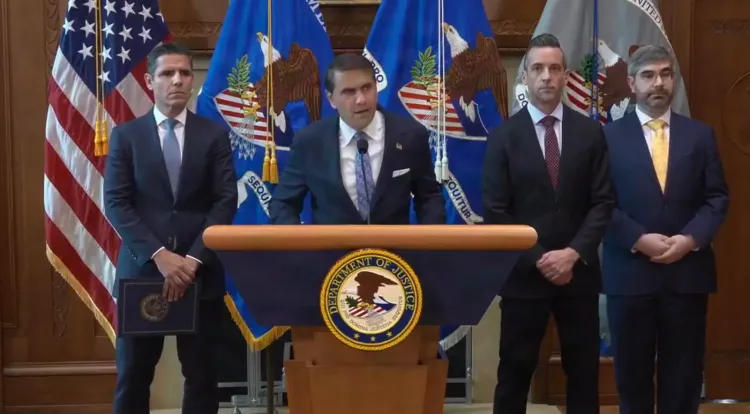
US Attorney General Todd Blanche has openly declined to pledge that the Justice Department will operate independently of the White House — a break from a long-held norm of the office. His admission that he would weigh Trump’s views on individual prosecutions, combined with his prior role as Trump’s personal lawyer, raises pointed questions about the institutional independence of federal law enforcement.
Key Takeaways
US Attorney General Todd Blanche refused on Sunday to pledge that the DOJ would operate independently of the White House .
Blanche said he would factor in President Trump’s views on individual prosecutorial decisions.
He insisted Trump had never ordered him to prosecute a specific person and “will never” ask him to act illegally.
Blanche defended Trump’s pardons for those charged over the 6 January 2021 Capitol attack, calling presidential pardon powers “not limited.” He ruled out reviving Trump’s proposed anti-weaponisation fund , saying: “There is no fund.
There will be no fund.”
US Attorney General Todd Blanche on Sunday flatly declined to commit that the Department of Justice (DOJ) would operate independently of the White House, arguing that such a pledge would impede the President's legitimate law enforcement agenda. The remarks, made in an interview with NBC News, have intensified scrutiny over the relationship between the Trump administration and the federal prosecutorial apparatus.
What Blanche Said
When asked directly whether he could guarantee that the Justice Department would always act independently of the White House, Blanche was unequivocal: “No, I’m not going to pledge that. And no Attorney General should ever pledge that.” He argued that such a commitment could prevent the DOJ from advancing the President’s lawful enforcement priorities.
Blanche, who previously served as President Donald Trump’s personal defence lawyer before his appointment as Attorney General, insisted that Trump “will never ask me to do something unethical or illegal.” He called suggestions to the contrary “completely a false narrative.”
On Presidential Influence Over Prosecutions
Blanche acknowledged that he would factor in the President’s views on individual prosecutorial decisions. “Will I take the President of the United States’ view on something into consideration? Yes, of course,” he said. He did, however, maintain that Trump had never directly ordered him to prosecute a specific individual, and pledged to push back when necessary: “I will always stand up for what’s right.”
He also said Trump does not expect unconditional agreement from his cabinet: “The President does not expect any of his leaders, including me, to just say yes to him no matter what he says.”
January 6 Pardons and Law Enforcement
The interview also addressed Trump’s pardons for individuals charged in connection with the 6 January 2021 attack on the US Capitol. Critics have argued those pardons contradict Blanche’s stated commitment to protecting law enforcement officers who were assaulted that day.
Blanche rejected that framing, drawing a constitutional distinction between prosecution and pardon. “The President’s pardon powers, any President’s pardon powers are not limited,” he said, adding that the DOJ would still prosecute anyone who assaulted law enforcement officers, and that a subsequent presidential pardon represents a separate constitutional authority.
Anti-Weaponisation Fund Ruled Out
Blanche also closed the door on reviving Trump’s proposed “anti-weaponisation fund,” a mechanism that would have compensated individuals who claimed they were wrongfully targeted by the federal government. “There is no fund. There will be no fund,” he stated.
Why This Matters
The remarks land amid an ongoing national debate about the independence of federal law enforcement under the second Trump administration. Blanche’s prior role as Trump’s personal attorney has already drawn questions about institutional distance. His explicit refusal to pledge DOJ independence — historically a cornerstone of the office — is likely to fuel further debate in Congress and among legal scholars about the boundaries of executive influence over federal prosecution.
Point of View
While simultaneously insisting integrity will be maintained, is a contradiction that legal scholars will not let pass quietly. His prior role as Trump’s personal defence lawyer makes the institutional optics worse, not better. The historical norm of DOJ independence exists precisely because the appearance of impartiality is as important as impartiality itself — and Blanche has now voluntarily surrendered that appearance.
NationPress
1 Oct 2026
Frequently Asked Questions
What did US Attorney General Todd Blanche say about DOJ independence?
Blanche said he would not pledge that the Justice Department would operate independently of the White House, arguing such a commitment could block the President’s legitimate law enforcement priorities. He made the remarks in a Sunday interview with NBC News.
Will Blanche consider Trump’s views on individual prosecutions?
Yes. Blanche explicitly stated he would take the President’s views on specific cases into consideration, though he said Trump had never directly ordered him to prosecute any individual.
How did Blanche defend Trump’s January 6 pardons?
Blanche argued that presidential pardon powers are constitutionally unlimited and separate from the DOJ’s prosecutorial function. He maintained the DOJ would still prosecute anyone who assaulted law enforcement officers, regardless of any subsequent pardon decision.
What is the anti-weaponisation fund and why was it ruled out?
Trump had proposed an anti-weaponisation fund to compensate individuals who claimed they were wrongfully targeted by the federal government. Blanche ruled out reviving it, stating flatly: ‘There is no fund. There will be no fund.’
Why is Blanche’s DOJ independence stance significant?
Pledging DOJ independence from the White House has historically been a cornerstone norm of the Attorney General’s office. Blanche’s explicit refusal, combined with his background as Trump’s personal lawyer, has intensified concerns among legal experts and lawmakers about executive influence over federal prosecution.