Britain Calls for Unified Diplomatic and Economic Action on Hormuz Crisis
Synopsis
In a vital call for action, Britain’s Foreign Secretary Yvette Cooper emphasizes the need for collaborative diplomatic and economic measures to address Iran's control over the Strait of Hormuz, a key international shipping route. This meeting of 40 nations seeks to enhance global economic security.
Key Takeaways
Joint Action: Britain calls for united diplomatic and economic efforts.
Global Shipping Security: The Strait of Hormuz is essential for international trade.
Iran's Position: Tehran denies negotiations despite some communications.
US Stance: Trump urges independent action from reliant nations.
Military Options: France rules out military intervention as unrealistic.
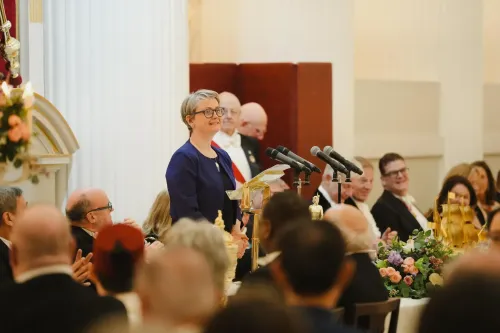
New York, April 2 (NationPress) In a significant appeal, Britain’s Foreign Secretary, Yvette Cooper, urged on Thursday for united efforts to apply diplomatic and economic pressures to restore access to the Strait of Hormuz, which she claims has been “hijacked” by Iran.
During a gathering of approximately 40 nations, including India, held virtually from London, she stated, "Iran has effectively seized control of a crucial international shipping lane, putting the global economy at risk.”
Cooper denounced Iran’s irresponsible maneuvers in the Strait, which she argues are jeopardizing global economic stability.
She emphasized the need for coordinated diplomatic and international strategies, highlighting the importance of mobilizing all available diplomatic and economic resources to facilitate the Strait's reopening.
“Immediate action is essential to ensure the safety of the ships and seafarers affected, alongside effective global coordination to guarantee a safe and sustainable reopening of the strait,” she added.
While Cooper did not specify the precise actions to take, she highlighted the importance of planning for a post-ceasefire scenario.
“We are also engaging military strategists to explore how we can optimize our collective defensive capabilities, which includes addressing issues like de-mining and providing reassurance once the conflict subsides,” she noted.
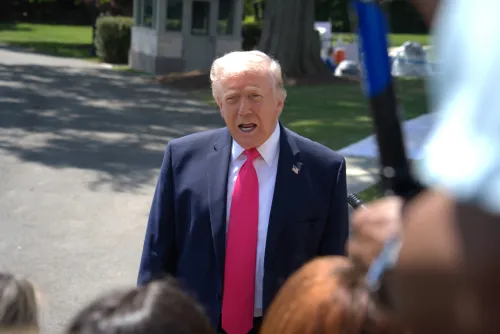
In a related note, US President Trump claimed Iran is in negotiations, although Tehran denies any discussions are taking place, only acknowledging communications through intermediaries.
However, Trump’s warning on Thursday night about a potential strong response against Iran in the coming weeks could exacerbate the crisis short-term.
Following Cooper’s introductory remarks, the meeting transitioned into a closed session.
Notably, while key economies such as Japan, Germany, and France, along with Gulf nations, participated, the United States was absent.
China, which has also faced challenges due to the Strait crisis, was likewise not represented.
This meeting, primarily conducted via video link, occurred shortly after Trump urged nations reliant on the Strait for energy to take independent action, indicating the US would no longer intervene.
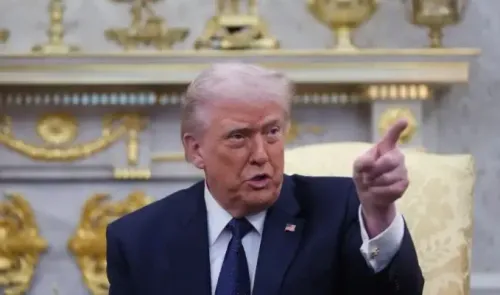
“Go to the Strait and simply take it, protect it, and utilize it for your needs. Iran has been largely incapacitated; the difficult part is over, so it should be straightforward,” he stated in his national address.
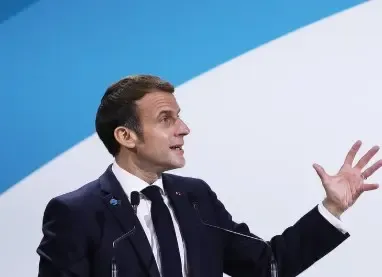
French President Emmanuel Macron, while visiting South Korea, dismissed military action to reopen the Strait as “unrealistic.”
He remarked, “Some advocate for forcibly liberating the Strait of Hormuz through military means, a stance occasionally voiced by the United States, but we have never considered that a viable option and regard it as unrealistic.”
The gathering convened by the UK was organized prior to Trump’s remarks, aiming to navigate the crisis stemming from the ongoing conflict involving Israel and the US against Iran, now entering its second month.
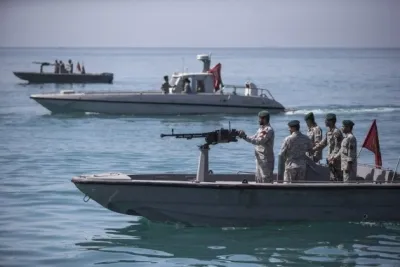
Despite Trump’s assertions that Iran’s naval and military capabilities have been decimated, Iran continues to restrict traffic through the Strait, a major route for approximately 20% of the world’s oil and gas supply.
While allowing a limited number of vessels carrying energy supplies, including those from India, to pass, the implications of this situation have contributed to rising energy prices globally.
Recently, Tehran announced it would permit the transit of ships from “non-hostile” countries that do not “engage in or support aggressive actions against Iran.”
Point of View
Not just for regional stability but also for the global economy. With major economies involved, the need for a coordinated response to Iran's actions is paramount to ensure the safety of international shipping routes and economic security.
NationPress
7 Oct 2026
Frequently Asked Questions
What actions is Britain proposing regarding the Strait of Hormuz?
Britain's Foreign Secretary Yvette Cooper has called for joint diplomatic and economic pressures to reopen the Strait of Hormuz, emphasizing the need for global coordination.
Why is the Strait of Hormuz significant?
The Strait of Hormuz is a crucial shipping lane through which 20% of the world's oil and gas supply transits, making it vital for global economic stability.
What has Iran's response been to the situation?
Iran has denied engaging in negotiations but has acknowledged some communications through third parties regarding the situation in the Strait.
What was President Trump's stance on the issue?
President Trump suggested that nations dependent on the Strait should take action independently, asserting that the US would not intervene.
What did France's President Emmanuel Macron say about military action?
President Macron dismissed military intervention as 'unrealistic,' indicating a preference for diplomatic solutions.